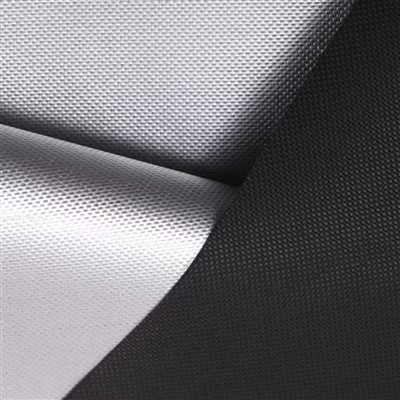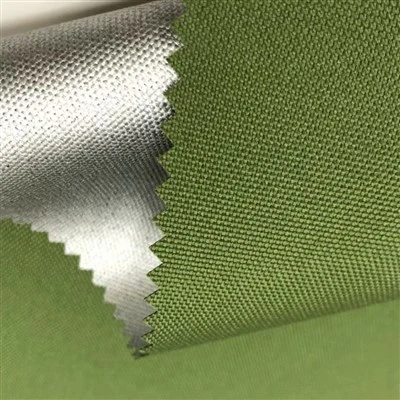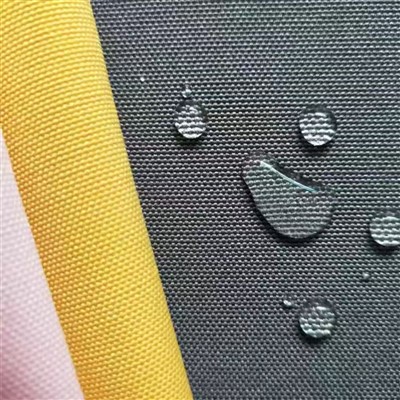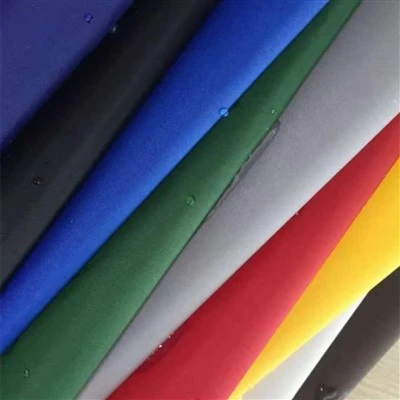
Reflective fabric, as a special functional fabric, is widely used in transportation, fire protection and other fields. Its flame-retardant properties directly affect safety in use:
Material Characteristics: The base fabric is usually made of glass microspheres and fiber composites. Different fiber combinations directly affect combustion performance.
Safety Requirements: When exposed to open flames, it should have the characteristics of delaying combustion and reducing molten droplets, buying time for personnel evacuation.
Performance Balance: It is necessary to balance reflectivity and flame-retardant performance, avoiding sacrificng core functions for the sake of flame retardancy.
When evaluating the flame-retardant performance of reflective fabric, these parameters are worth noting:
Afterflame Time: The length of time the material continues to burn after the fire source is removed.
Damage Length: The vertical expansion range of the charred area after combustion.
Molten Droplet Formation: Whether it produces burning droplets and its ability to ignite other materials.
Key Points to Note When Conducting Flame Retardant Testing:
Sample Processing: The sample must be equilibrated in a constant temperature and humidity environment for at least 24 hours before testing.
Fire Source Control: Use a flame of a specific size, maintaining a 45-degree angle of contact with the sample.
Environmental Simulation: Consider actual usage scenario factors such as ventilation conditions and sample installation methods.
Data Recording: Simultaneously record combustion phenomena and quantitative data, such as smoke generation characteristics.