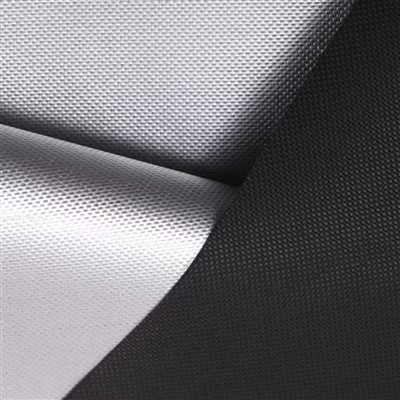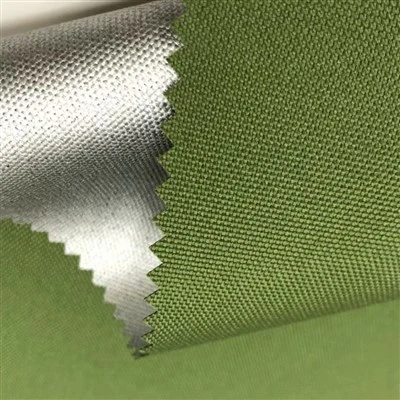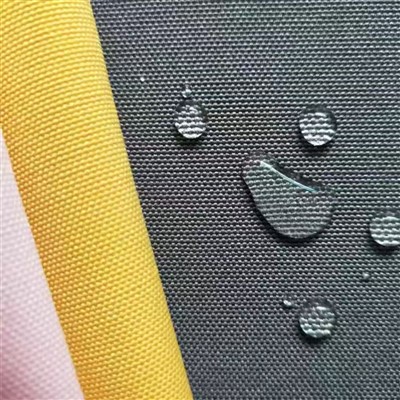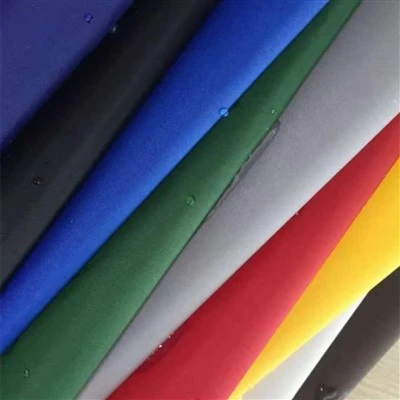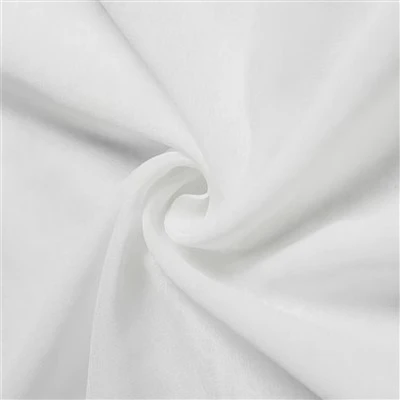
Antistatic cloth is like a lightning rod in the fabric world, specifically designed to eliminate all kinds of annoying static electricity. It's typically made of three materials:
Conductive fiber blend: Metal wires or carbon fibers are woven into ordinary fabric, silently conducting static electricity like a secret agent.
Surface coating: The fabric is given an "invisible raincoat" of conductive polymer materials, allowing the charge to slip away smoothly.
Fully conductive special type: An "armor" woven from metal fibers or conductive polymers, specifically designed for special applications such as laboratories.
How the Static Electricity Buster Works: The magic of this cloth lies in its ability to "shift the universe":
Charge diversion: Conductive materials form a three-dimensional network. Let static electricity dissipate like a slide.
Friction Balancing Technique: Reduces the triboelectric effect through material formulation, minimizing static electricity generation at its source.
Humidity Regulation Technique: Some fabrics can absorb ambient moisture, forming a natural conductive layer.
From electronic products to home wear, anti-static fabrics are quietly protecting us:
A must-have for digital enthusiasts: Camera cleaning cloths and computer dust covers all use it.
An industrial helper: Cleanroom work clothes and precision instrument packaging rely heavily on it.
Home Tips: Anti-static bed sheets and anti-frizz scarves are trending in autumn and winter.