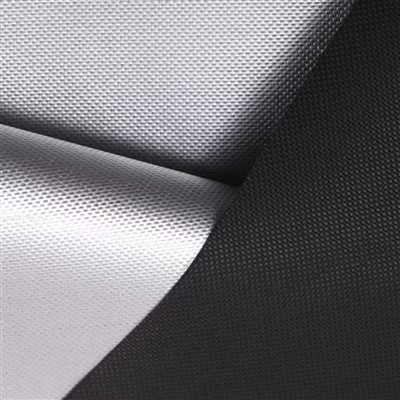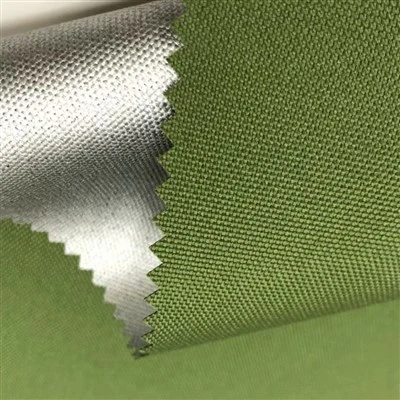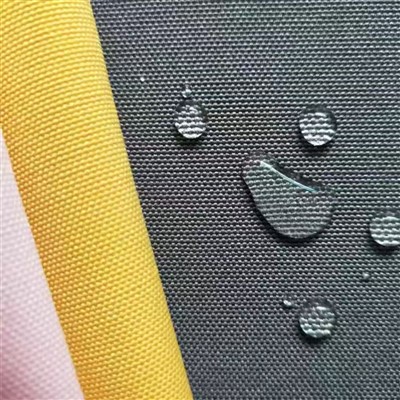
The key to reflective fabric's ability to glow in the dark lies in its unique layered structure. The surface layer uses high-transmittance synthetic fibers (such as polyester or nylon), the middle layer is densely packed with glass microspheres only 50-90 micrometers in diameter, and the bottom layer is an aluminum-coated reflective layer. When light shines on it, the glass microspheres refract and focus the light onto the aluminum layer, then reflect it back, creating a striking reflective effect.
The ingenuity of this material lies in the combination of its optical structures:
Glass microspheres: The spherical structure ensures that light is reflected from 360° angles.
Refractive index matching: The microspheres have a refractive index of 1.9-2.2, creating an ideal refractive difference with air.
Metal coating: The aluminum film has a reflectivity of over 90%, preventing light absorption by the bottom layer.
When illuminated by car headlights at night, the reflectivity is more than 1000 times that of ordinary fabric.
Modern reflective fabrics have developed more environmentally friendly versions:
Biodegradable resin replaces traditional PVC substrates.
Nanoscale prism arrays replace some glass microspheres.
Colored reflective films achieve multi-color reflection through interference principles.