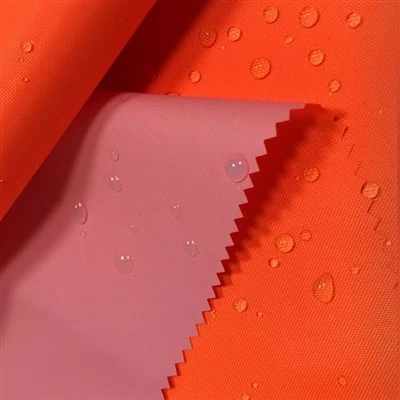

In recent years, the global push towards energy - saving solutions has spurred innovation across multiple industries. As a Textile Fluorescent supplier, I am constantly exploring the potential of our products in the energy - saving field. This article delves into whether textile fluorescent materials can indeed be utilized in energy - saving initiatives, highlighting their characteristics, potential applications, and the overall significance in the energy - saving landscape.
Characteristics of Textile Fluorescent Materials
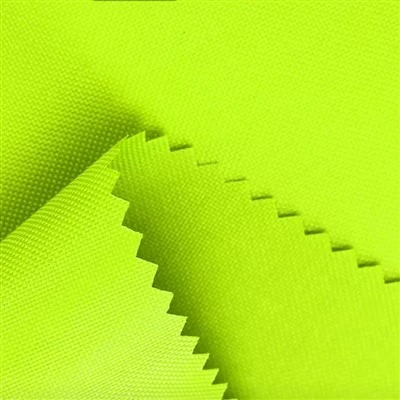
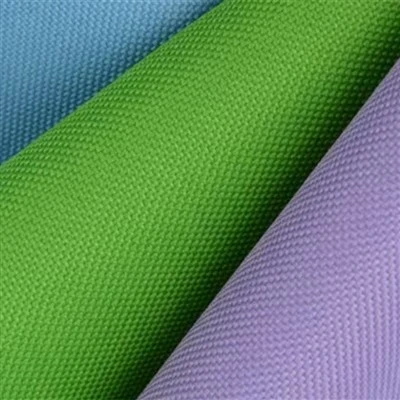
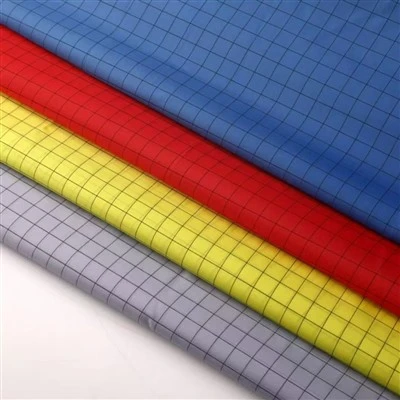
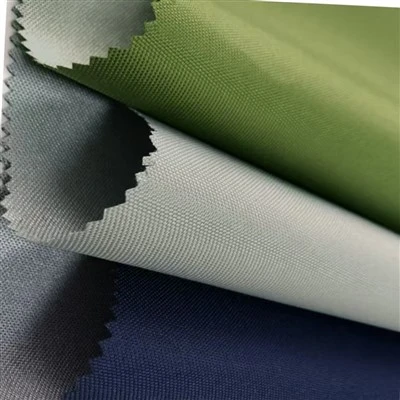
Textile fluorescent materials, as the name suggests, are fabrics or fibers that exhibit fluorescent properties. These materials have the unique ability to absorb light at a certain wavelength and then re - emit it at a longer wavelength, often in a highly visible and bright manner. The Textile Fluorescent products we supply are known for their high color saturation and vividness, making them stand out in various environments.
One of the key characteristics of textile fluorescent materials is their photoluminescence. This property allows them to store and release light energy. When exposed to ambient light, such as sunlight or artificial lighting, these materials absorb the energy and can then emit it gradually. This is different from normal textiles that simply reflect light. Additionally, they have good durability. Our Fluro Fabric, for example, can maintain its fluorescent properties even after multiple washes and long - term exposure to environmental factors, ensuring a long - lasting performance.
Potential Applications in the Energy - Saving Field
Indoor Lighting Enhancement
In indoor settings, textile fluorescent materials can play a role in reducing the need for excessive artificial lighting. By incorporating these materials into interior design elements such as curtains, wall hangings, or ceiling panels, we can create a more energy - efficient lighting environment. When the room is illuminated, the fluorescent materials absorb the light and re - emit it, effectively spreading the light more evenly throughout the space. This means that fewer light fixtures may be needed to achieve the same level of illumination, leading to energy savings.
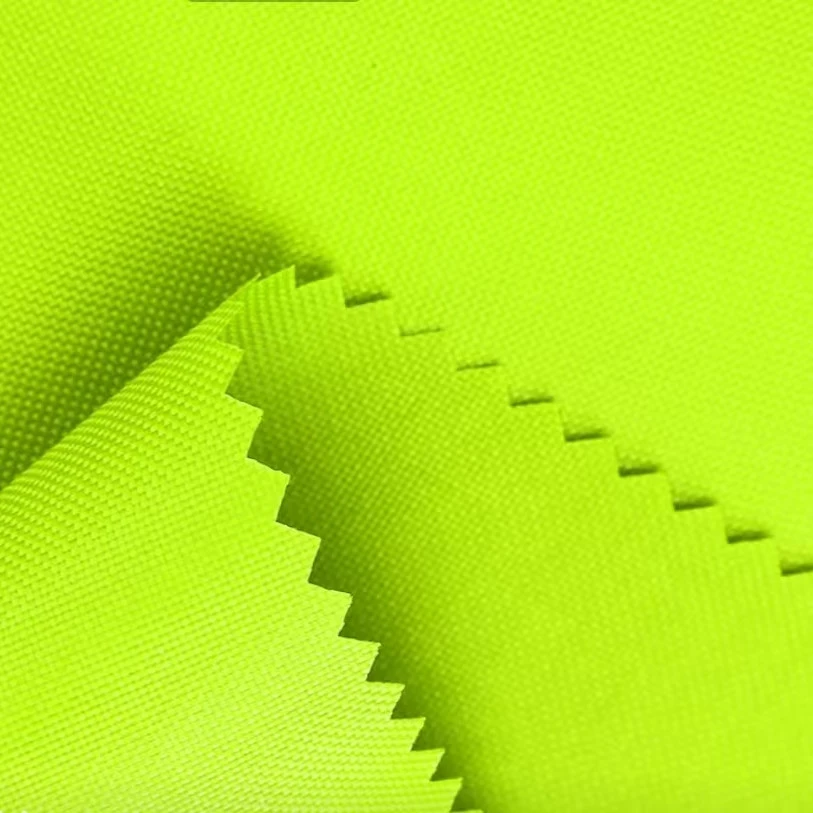
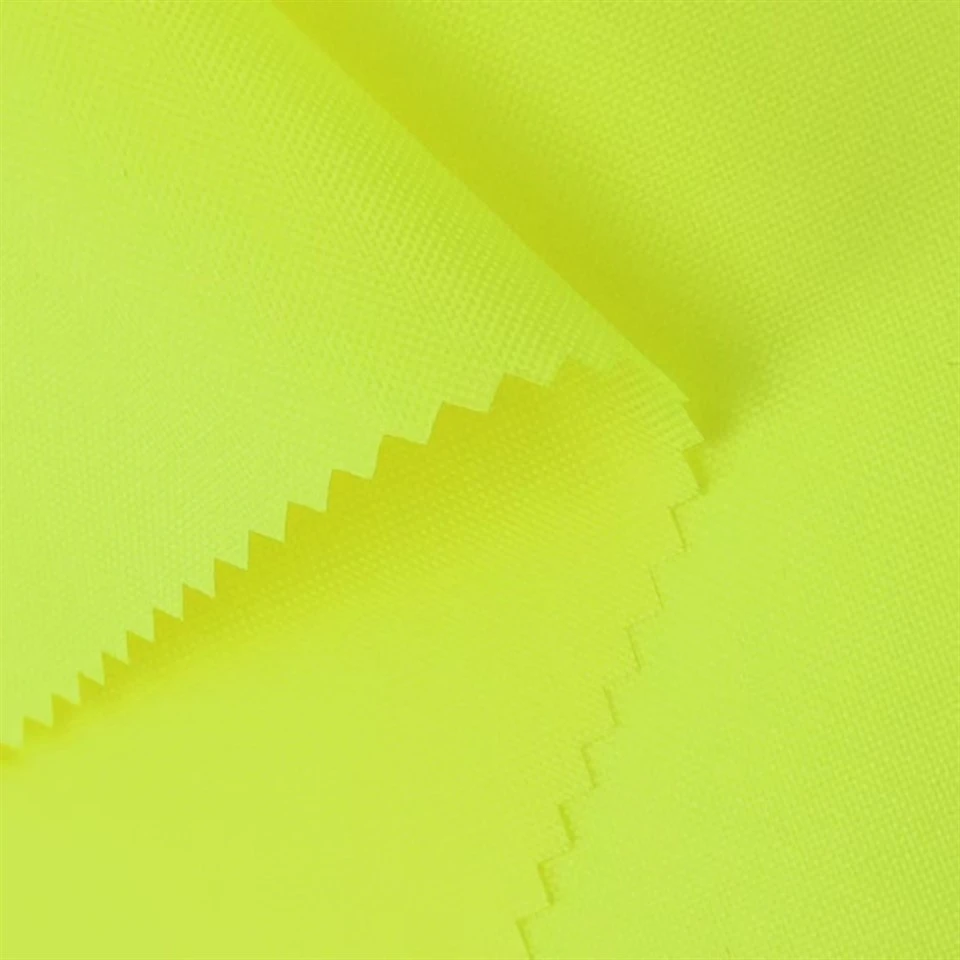
For example, in an office space, fluorescent curtains can act as a secondary light source. During the day, they absorb sunlight and then emit light in the interior, reducing the reliance on electric lights. Even at night, when the primary lighting is on, the fluorescent curtains can enhance the overall lighting effect, allowing the use of lower - wattage bulbs.
Signage and Wayfinding
In public places such as airports, shopping malls, and hospitals, signage is crucial for guiding people. Traditional signage often requires continuous power supply for illumination. However, textile fluorescent materials can be used to create self - luminous signage. These signs can absorb light during the day or when the surrounding lights are on and then glow in the dark, providing clear visibility without the need for constant electricity consumption.
For instance, in an airport, fluorescent wayfinding signs can be installed along corridors and near gates. They can be charged during normal operation hours and then continue to serve as effective guides during power outages or low - light situations, saving energy in the long run.
Safety Equipment
Textile fluorescent materials are widely used in safety equipment such as high - visibility vests, helmets, and safety ropes. In industrial settings, these materials can help workers be more visible, reducing the risk of accidents. From an energy - saving perspective, the use of fluorescent safety equipment can reduce the need for additional high - intensity lighting in work areas.
For example, in a construction site, workers wearing fluorescent vests can be easily spotted even in relatively dimly lit areas. This means that the site managers can use less powerful lighting fixtures while still ensuring the safety of the workers, thus saving energy.
Challenges and Limitations
While textile fluorescent materials show great promise in the energy - saving field, there are also some challenges and limitations that need to be addressed.
One of the main challenges is the initial cost. The production of high - quality textile fluorescent materials often involves advanced manufacturing processes and specialized chemicals, which can make them more expensive than traditional textiles. This may deter some potential users, especially those on a tight budget.
Another limitation is the dependence on ambient light. The fluorescent effect of these materials is highly reliant on the availability of light. In completely dark environments or areas with very limited light sources, their energy - saving potential may be significantly reduced.
The performance of textile fluorescent materials can also be affected by environmental factors. Extreme temperatures, humidity, and exposure to certain chemicals may degrade their fluorescent properties over time. This requires proper maintenance and storage to ensure their long - term effectiveness.
Strategies to Overcome Challenges
To overcome the challenge of high initial cost, we as a supplier are constantly working on optimizing our production processes. By improving efficiency and finding more cost - effective raw materials, we aim to bring down the price of our Textile Fluorescent products. This will make them more accessible to a wider range of customers, including those in the energy - saving industry.
To address the issue of dependence on ambient light, we are researching and developing new technologies that can enhance the energy - storage capacity of textile fluorescent materials. This includes the use of nanomaterials and advanced fluorescent agents that can store more light energy and emit it for a longer period of time.
Regarding the environmental - related limitations, we are conducting extensive research on protective coatings and treatments. These can be applied to the textile fluorescent materials to enhance their resistance to extreme environmental conditions, ensuring their stable performance over time.
The Significance in the Energy - Saving Landscape
The use of textile fluorescent materials in the energy - saving field is of great significance. In a world where energy conservation is becoming increasingly important, these materials offer a new and innovative approach to reducing energy consumption.
From an environmental perspective, by reducing the need for artificial lighting and other energy - consuming devices, textile fluorescent materials can help to lower carbon emissions. This contributes to the global effort to combat climate change and create a more sustainable future.
Economically, the adoption of energy - saving solutions using textile fluorescent materials can lead to cost savings for businesses and individuals. In the long run, the reduced energy bills can offset the initial higher cost of the materials. Additionally, the development and application of these materials can also drive innovation in the textile industry, creating new business opportunities and jobs.
Call to Action
If you are interested in exploring the use of textile fluorescent materials in the energy - saving field, I encourage you to get in touch for a detailed discussion. As a leading Textile Fluorescent supplier, we have a wide range of products and solutions to meet your specific needs. Whether you are an interior designer looking to create an energy - efficient space, a safety equipment manufacturer seeking innovative materials, or a facility manager aiming to reduce energy costs, we can provide you with the expertise and high - quality products.
References
- Smith, J. (2020). The Future of Fluorescent Materials in Energy - Saving. Journal of Sustainable Textiles, 15(2), 45 - 55.
- Brown, A. (2021). Applications of Textile Fluorescent Materials. Textile Research International, 22(3), 78 - 89.
- Green, C. (2019). Challenges and Solutions in Fluorescent Textile Production. Industrial Textile Review, 18(4), 23 - 32.