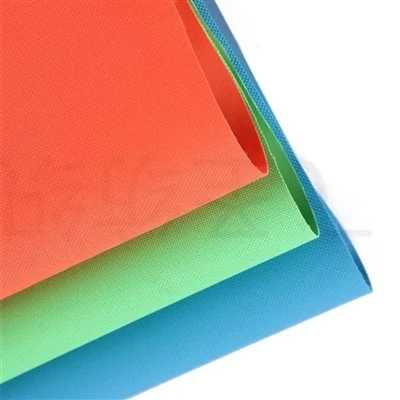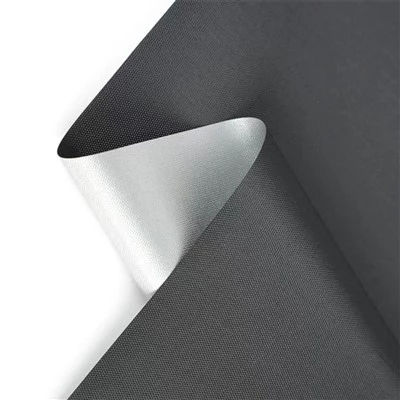

Hey there! As a supplier of Fabric Of Umbrella, I've seen firsthand how the thickness of umbrella fabric plays a crucial role. Let's dive into why this seemingly small detail can make a huge difference.
1. Protection from the Sun
When it comes to sun protection, the thickness of the umbrella fabric is key. Thicker fabrics generally offer better UV protection. The sun emits harmful ultraviolet (UV) rays, and a thick umbrella fabric acts as a barrier. It has more fibers packed closely together, which makes it harder for the UV rays to penetrate.
Think about it like this: if you're at the beach, using a Beach Umbrella Fabric that's thin, you might still feel the sun's heat and those pesky UV rays on your skin. But a thicker fabric will block out a larger percentage of the UV rays, keeping you safer. Studies have shown that umbrellas with thicker fabrics can have a higher UPF (Ultraviolet Protection Factor) rating. A UPF 50+ rating means that only 1/50th or less of the sun's UV rays can pass through the fabric. So, if you're looking for an umbrella that really shields you from the sun, go for a thicker fabric.
2. Withstanding the Rain
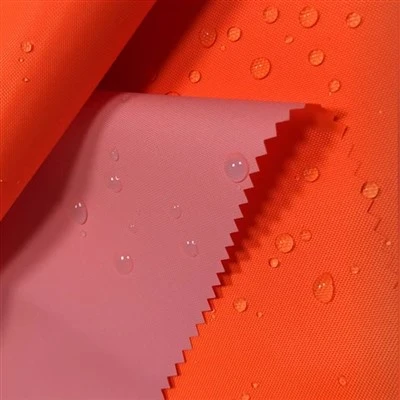
Rain can be quite a test for an umbrella. A thicker fabric is more likely to keep you dry. The extra thickness provides more resistance against water penetration. When raindrops hit a thin fabric, they might seep through the tiny gaps between the fibers. But a thicker fabric has a denser weave, which makes it harder for the water to get through.
During a heavy downpour, an umbrella with a thin fabric might start to leak, leaving you with a soggy shirt. But a thick - fabric umbrella can hold up better. It can handle the force of the rain and keep you dry. Also, thicker fabrics are less likely to get damaged by the constant pounding of raindrops. So, if you live in an area with a lot of rain, a thicker fabric umbrella is a smart choice.
3. Durability and Longevity
Let's talk about how thickness affects the lifespan of an umbrella. Thicker fabrics are generally more durable. They can withstand more wear and tear. When you open and close an umbrella, the fabric gets stretched and pulled. A thin fabric might start to tear or show signs of damage after a few uses. But a thick fabric is more resilient.
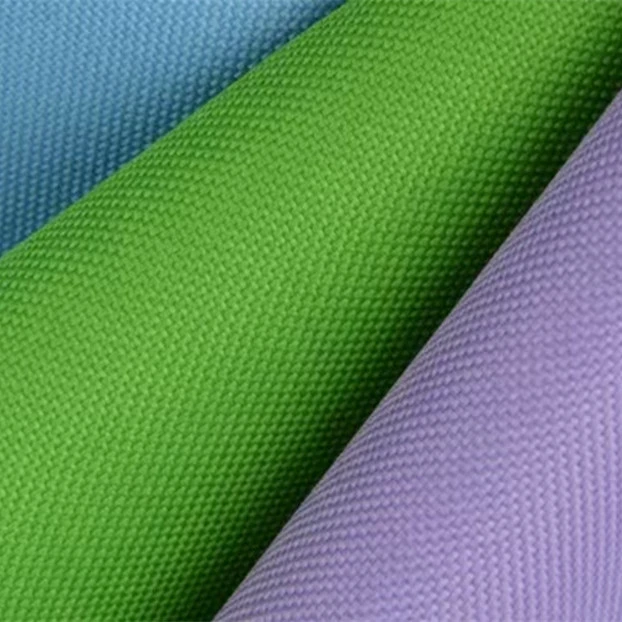
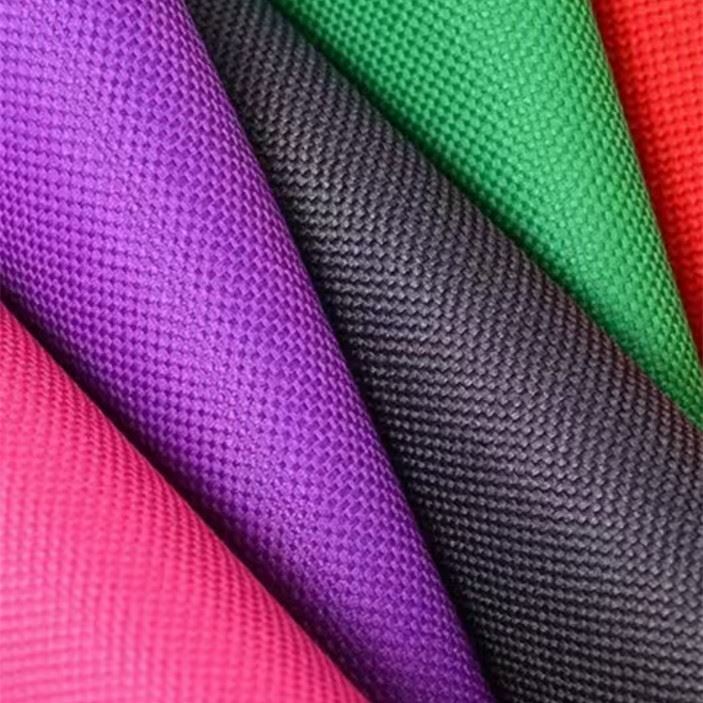
It can handle the repeated stress of opening and closing without falling apart. Also, thicker fabrics are less likely to be damaged by wind. Strong winds can put a lot of pressure on an umbrella, and a thin fabric might get ripped or blown away. A thick fabric, on the other hand, can hold its shape better and stay intact even in windy conditions. So, investing in an umbrella with a thick fabric means you'll have it for longer, saving you money in the long run.
4. Weight and Portability
Now, there's a bit of a trade - off when it comes to thickness. Thicker fabrics usually mean a heavier umbrella. If you're someone who's always on the go and needs to carry an umbrella with you everywhere, a heavy umbrella might be a hassle. You don't want to be lugging around a bulky, heavy umbrella just to have better protection.
However, some manufacturers have found ways to create thick fabrics that aren't overly heavy. They use advanced materials and weaving techniques to reduce the weight while still maintaining the fabric's thickness and its benefits. So, it's possible to find a balance between protection and portability. If you prioritize protection but still need a somewhat lightweight option, look for umbrellas made with these innovative thick fabrics.
5. Aesthetics and Design
The thickness of the fabric can also impact the look and feel of an umbrella. Thicker fabrics can give an umbrella a more substantial and high - quality appearance. They can hold their shape better, making the umbrella look more elegant when it's open.
On the other hand, thin fabrics might give the umbrella a flimsy look. Thick fabrics can also be easier to print on and create detailed designs. If you're looking for an umbrella with a cool pattern or logo, a thick fabric might be a better choice as it can showcase the design more clearly.
6. Cost Considerations
As you might expect, thicker fabrics usually cost more. The materials used to make thick fabrics are often of higher quality, and the manufacturing process can be more complex. This means that umbrellas with thicker fabrics will generally have a higher price tag.
But when you think about the long - term benefits, such as better protection, durability, and a nicer appearance, the extra cost might be worth it. If you're on a tight budget, you might have to compromise on the fabric thickness. However, if you can afford it, investing in an umbrella with a thick fabric is often a wise decision.
Wrapping It Up and Getting in Touch
In conclusion, the thickness of the fabric of an umbrella matters a great deal. It affects everything from sun and rain protection to durability, portability, aesthetics, and cost. Whether you're looking for a beach umbrella or an everyday umbrella, understanding how fabric thickness impacts the performance is crucial.
As a supplier of Fabric Of Umbrella and Beach Umbrella Fabric, I'm here to help you find the perfect fabric for your umbrella needs. If you're a business looking to source umbrella fabrics or an individual interested in learning more, don't hesitate to reach out. We can discuss your requirements and find the best fabric thickness and type for you.
References
- Smith, J. (2020). The Science of Umbrella Fabrics. Journal of Textile Research.
- Johnson, A. (2021). UV Protection in Umbrella Fabrics. Sun Safety Magazine.