
Hey there! As a supplier of Heavy Duty Oxford Cloth, I often get asked this question: "Does Heavy Duty Oxford Cloth shrink after washing?" It's a valid concern, especially for those who use this fabric for various applications, from outdoor gear to workwear. In this blog, I'll dive into the details and give you the lowdown on whether this fabric shrinks and what you can do about it.
Understanding Heavy Duty Oxford Cloth
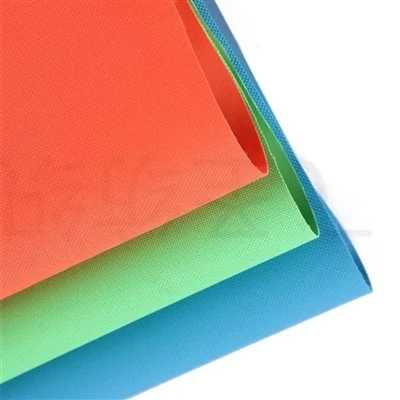
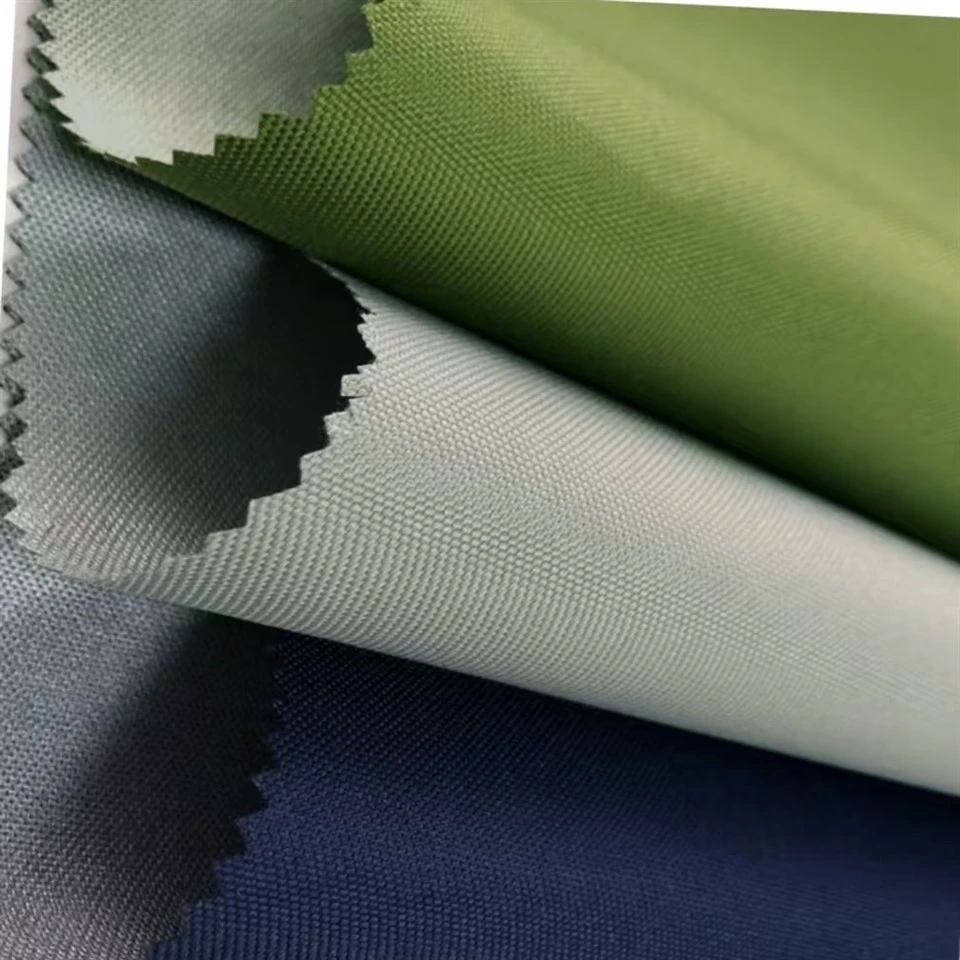
First off, let's talk a bit about what Heavy Duty Oxford Cloth is. It's a type of fabric known for its durability and strength. It's made using a specific weaving technique that results in a tight, sturdy material. This fabric is commonly used in a wide range of products, like backpacks, tents, and even some types of clothing.
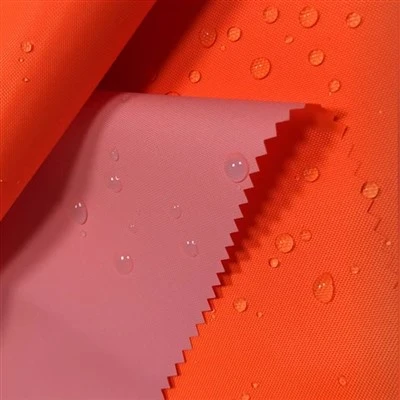
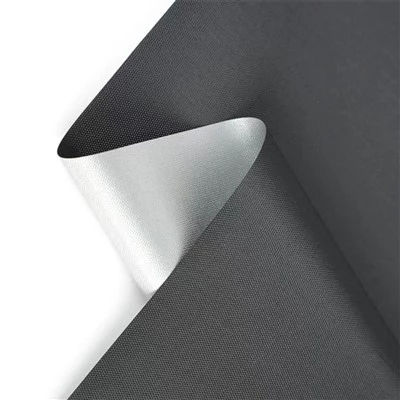
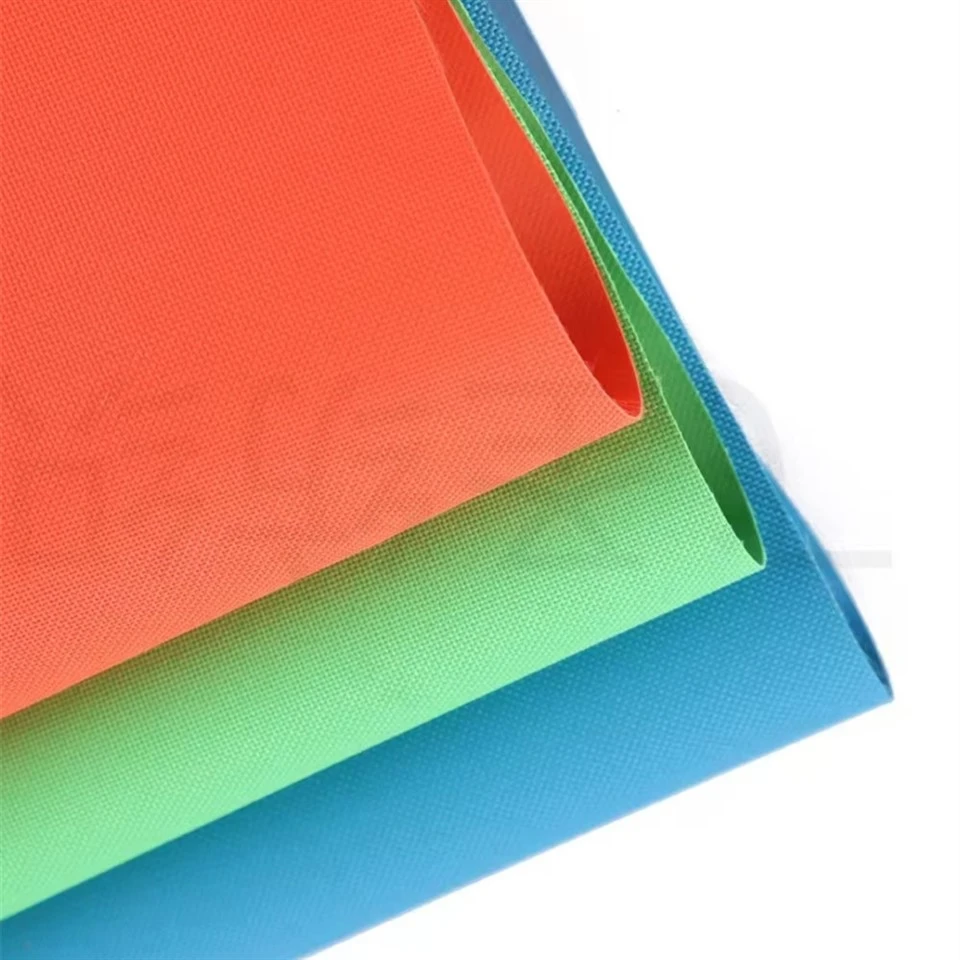
Heavy Duty Oxford Cloth comes in different variations. There's the regular uncoated version, which is great for general use. Then there are coated versions, such as PU Coated Oxford Fabric and PVC Coated Oxford Fabric. These coated fabrics offer additional features like water resistance, making them ideal for outdoor applications. You can also check out Coated Oxford Fabric for more options.
Factors That Affect Shrinkage
Now, let's get to the main question: does it shrink? Well, the answer isn't a simple yes or no. Several factors can influence whether Heavy Duty Oxford Cloth will shrink after washing.
Fiber Content
The type of fibers used in the fabric plays a big role. Most Heavy Duty Oxford Cloth is made from polyester, cotton, or a blend of both. Polyester is known for its low shrinkage rate. It has a high resistance to heat and moisture, so it's less likely to shrink. On the other hand, cotton has a higher tendency to shrink, especially if it hasn't been pre - shrunk. If the fabric is a blend, the shrinkage will depend on the ratio of polyester to cotton.
Weaving and Finishing Processes
The way the fabric is woven and finished also affects shrinkage. Fabrics that have been tightly woven are generally more stable and less likely to shrink. Additionally, some finishing processes, like preshrinking treatments, can reduce the fabric's tendency to shrink. If the fabric has been properly treated during manufacturing, it should have minimal shrinkage.
Washing Conditions
The way you wash the fabric is crucial. High - temperature washing and drying can cause the fibers to contract, leading to shrinkage. Using hot water in the washing machine and high - heat settings in the dryer are more likely to result in shrinkage compared to using cold water and low - heat settings. Also, the agitation level during washing can play a part. Over - agitation can cause the fibers to move and bunch up, which may lead to shrinkage.
Testing Shrinkage
To get a better idea of how a particular batch of Heavy Duty Oxford Cloth will behave after washing, it's a good idea to do a test. Here's how you can do it:
- Cut a small sample of the fabric, about 10 inches by 10 inches.
- Measure the sample accurately and mark the dimensions on a piece of paper.
- Wash the sample using the same conditions you plan to use for the actual product. For example, if you usually wash your items in cold water on a gentle cycle, do the same for the sample.
- After washing, let the sample air - dry or dry it in the dryer on a low - heat setting.
- Once it's dry, measure the sample again. Compare the new dimensions with the original ones. Calculate the percentage of shrinkage by using the formula: [(Original length - New length) / Original length] x 100.
If the shrinkage is within an acceptable range for your application, then you're good to go. If it's too high, you may need to adjust your washing methods or consider a different fabric.
Minimizing Shrinkage
If you want to minimize shrinkage when washing Heavy Duty Oxford Cloth, here are some tips:
Wash in Cold Water
As mentioned earlier, cold water is less likely to cause shrinkage. It helps to keep the fibers in their original state. So, whenever possible, use cold water for washing.
Use a Gentle Cycle
A gentle cycle in the washing machine reduces the amount of agitation, which can prevent the fibers from bunching up and shrinking. This is especially important for delicate or blended fabrics.
Air - Dry or Use Low - Heat Settings
Air - drying is the best option to avoid shrinkage. If you need to use a dryer, set it to a low - heat setting. High - heat drying can cause the fibers to contract quickly, leading to significant shrinkage.
Conclusion
So, does Heavy Duty Oxford Cloth shrink after washing? It depends on several factors, including fiber content, weaving and finishing processes, and washing conditions. In general, if the fabric is made from polyester or has been properly preshrunk, the shrinkage should be minimal. By following the tips I've mentioned, you can further reduce the risk of shrinkage.
If you're in the market for Heavy Duty Oxford Cloth, whether it's the regular uncoated type or the coated versions like PU Coated Oxford Fabric and PVC Coated Oxford Fabric, feel free to reach out. We can provide you with high - quality fabric that meets your needs. Whether you're making backpacks, tents, or workwear, we've got you covered. Let's start a conversation about your procurement needs and see how we can work together!
References
- Textile Institute. "Textile Terms and Definitions."
- American Association of Textile Chemists and Colorists (AATCC). "Test Methods for Textiles."