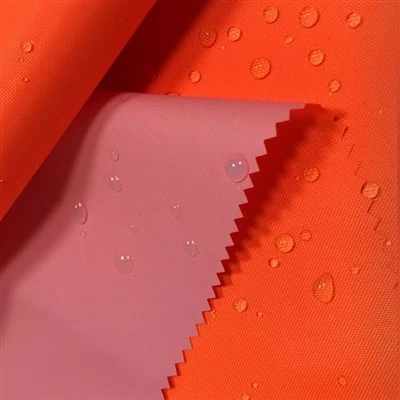

As a supplier of Textile Fluorescent, I often get asked about the difference between normal textile dyes and fluorescent dyes. It's a question that's not only interesting but also crucial for anyone involved in the textile industry, whether you're a designer, a manufacturer, or just someone who loves colorful fabrics. So, let's dive right in and explore the ins and outs of these two types of dyes.
What are Normal Textile Dyes?
Normal textile dyes have been around for ages. They're the dyes you typically find in everyday fabrics. These dyes work by absorbing certain wavelengths of light and reflecting others, which is what gives fabrics their color. There are different types of normal dyes, such as acid dyes, which are great for wool and silk; reactive dyes, commonly used for cotton; and disperse dyes, which are ideal for synthetic fibers like polyester.
The colors produced by normal dyes are usually rich and vibrant under normal lighting conditions. But they rely on the natural light spectrum to show their true colors. In other words, they look their best when there's enough light to illuminate them. For example, a red cotton T-shirt dyed with a reactive dye will look a beautiful red in daylight or under bright indoor lights. But as the light fades, the color might seem a bit duller.
One of the advantages of normal textile dyes is that they're generally more stable and less prone to fading over time. They've been well - studied and refined, so manufacturers have a good understanding of how to use them to achieve long - lasting color. They're also more widely available and often more cost - effective, making them a popular choice for mass - produced textiles.
What are Fluorescent Dyes?
Now, let's talk about fluorescent dyes. These are a whole different ballgame. Fluorescent dyes have the unique ability to absorb light in the ultraviolet (UV) range and then re - emit it as visible light. This means that they glow or fluoresce under UV light, creating a bright and eye - catching effect. You've probably seen fluorescent fabrics at a party, a rave, or even on safety vests.
Fluorescent dyes are made using special organic compounds. When these compounds come into contact with UV light, they get excited and release energy in the form of visible light. This is why fluorescent fabrics seem to light up on their own in a dark room with a UV source. For instance, a Fluro Fabric dyed with fluorescent dyes will stand out like a beacon at a nightclub under the blacklights.
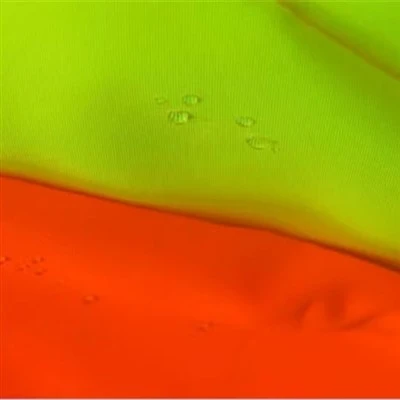
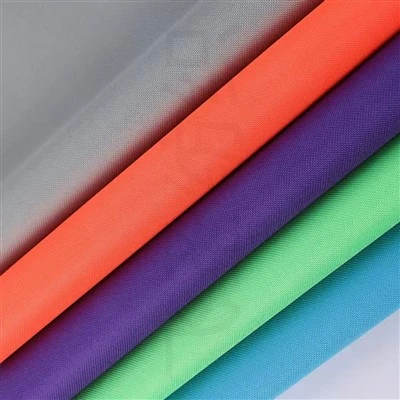
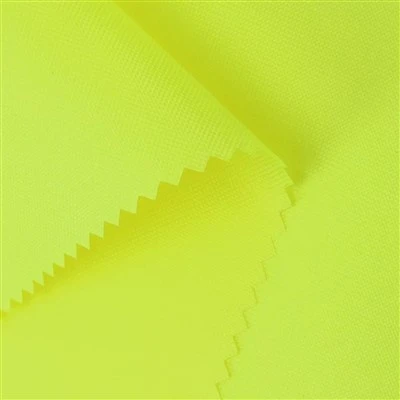
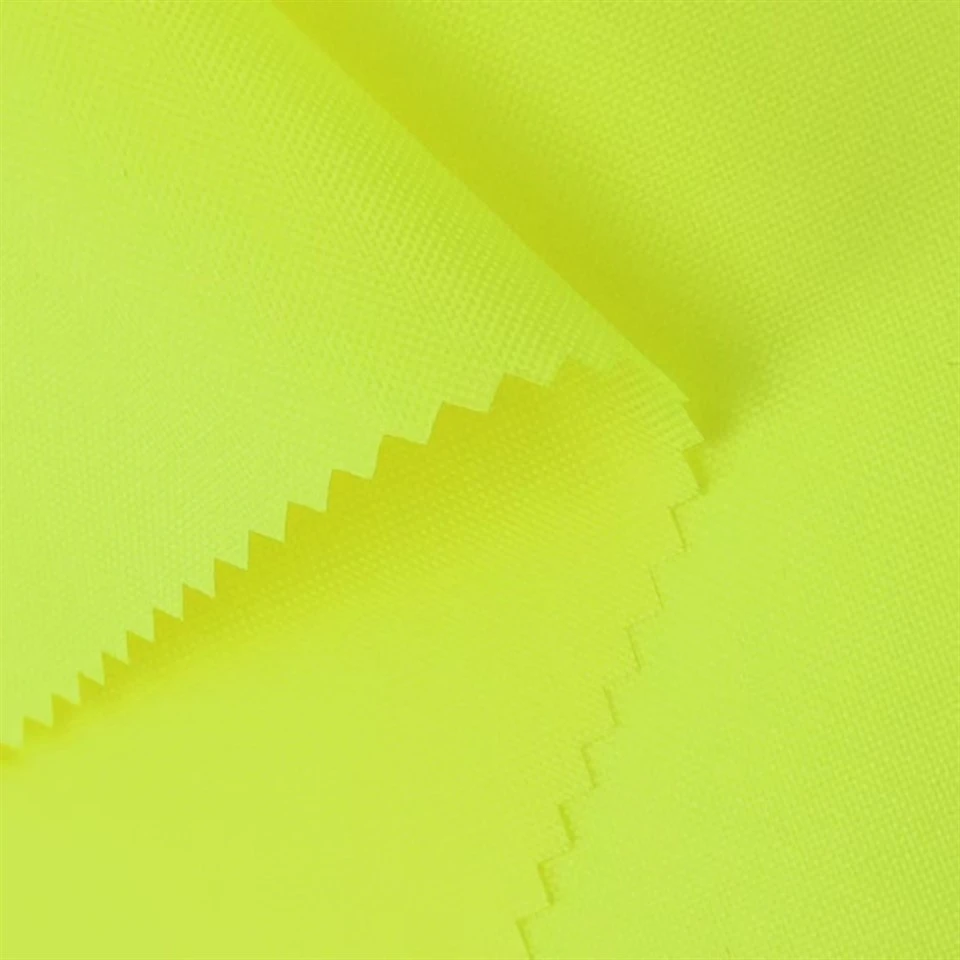
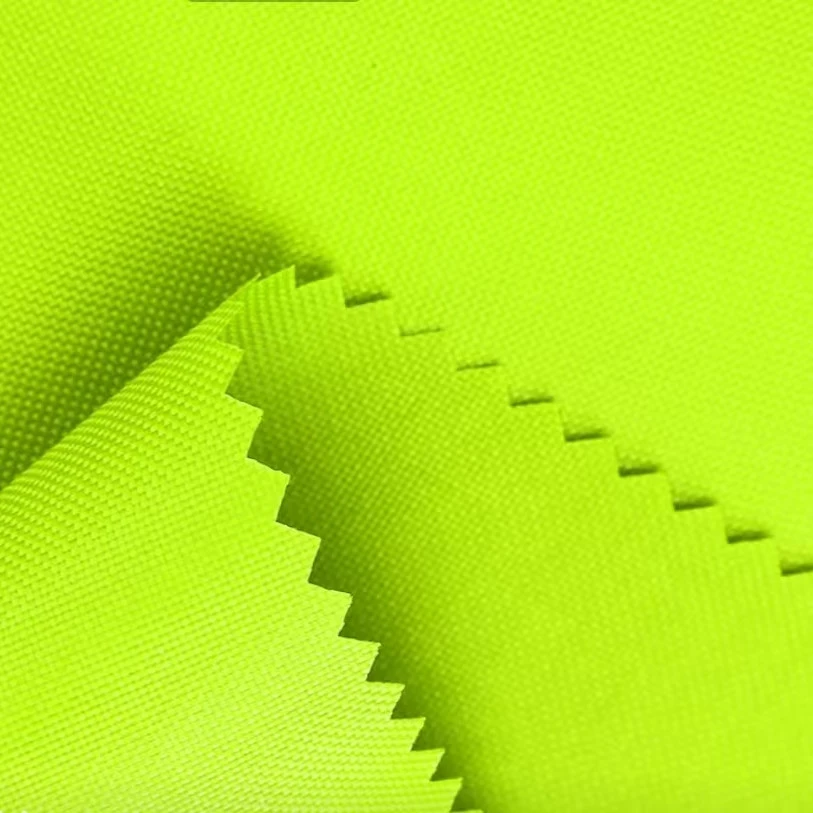
The colors of fluorescent dyes are much more intense and vivid than those of normal dyes. They can create a range of neon - like colors that you just can't achieve with normal dyes. Think of bright pinks, greens, yellows, and oranges that seem to pop off the fabric. This makes fluorescent dyes a favorite among designers who want to create bold and attention - grabbing pieces.
Key Differences
Color Intensity and Visibility
The most obvious difference between normal and fluorescent dyes is the color intensity. Normal dyes offer a wide range of colors, but they're usually more subdued compared to fluorescent dyes. Fluorescent dyes create colors that are super - bright and can be seen from a distance, even in low - light conditions. This makes them perfect for applications where high visibility is required, such as safety clothing, traffic cones, and signage.
Light Response
As mentioned earlier, normal dyes rely on the visible light spectrum to show their color. They absorb and reflect light in the normal way. Fluorescent dyes, on the other hand, have an additional light - absorbing and emitting mechanism in the UV range. This means that their appearance can change dramatically depending on the lighting conditions. In a normal room, they might look like regular, albeit bright, colors. But under UV light, they transform into glowing masterpieces.
Chemical Composition
The chemical composition of the two types of dyes also differs significantly. Normal dyes are often made from simple organic or inorganic compounds. They're designed to bond with the fibers of the fabric in a relatively straightforward way. Fluorescent dyes, however, are more complex. They contain special chromophores that are responsible for the fluorescence effect. These chromophores need to be carefully formulated to ensure the right level of fluorescence and stability.
Cost and Availability
Normal dyes are generally more affordable and easier to find. They've been in the market for a long time, and there are many manufacturers producing them. Fluorescent dyes, on the other hand, can be more expensive. The special chemicals and manufacturing processes required to produce fluorescent dyes add to the cost. They're also not as widely available as normal dyes, which can make them a bit harder to source.
Applications
Normal Textile Dyes
Normal textile dyes are used in a wide variety of applications. They're the go - to choice for everyday clothing, such as shirts, pants, and dresses. They're also used in home textiles like curtains, bedding, and upholstery. Since they offer good colorfastness and a wide range of colors, they're suitable for mass - market products where cost - effectiveness is important.
Fluorescent Textile Dyes
Fluorescent dyes are mainly used in applications where visibility and a bold look are key. Safety and high - visibility clothing is a major market for fluorescent dyes. This includes workwear for construction workers, firefighters, and police officers. They're also popular in the fashion and entertainment industries. Designers use fluorescent fabrics to create unique and trendy pieces for runway shows, music festivals, and clubwear.
As a Supplier
As a supplier of Textile Fluorescent, I'm well - aware of the growing demand for fluorescent dyes. The unique properties of fluorescent dyes make them a valuable addition to the textile industry. Whether you're looking to create a high - visibility safety garment or a trendy fashion piece, fluorescent dyes can offer you something that normal dyes can't.
We offer a wide range of fluorescent dyes in different colors and formulations. Our dyes are carefully tested to ensure high - quality fluorescence and good colorfastness. We understand the challenges that come with using fluorescent dyes, such as the need for proper handling and application techniques. That's why we also provide technical support to our customers to help them get the best results.
If you're interested in learning more about fluorescent dyes or are thinking about incorporating them into your textile products, don't hesitate to reach out. We'd be happy to have a chat with you, answer your questions, and discuss how our products can meet your specific needs. Whether you're a small - scale designer or a large - scale manufacturer, we're here to support you.
References
- "Textile Chemistry" by David Lewis
- "Fluorescent Dyes and Their Applications" published by Wiley - VCH
- Various industry reports on textile dyes and their applications