
As a dedicated supplier of oxford cloth, I've witnessed firsthand the diverse applications and unique characteristics of this remarkable fabric. One question that frequently arises from our customers is, "How does oxford cloth react to sunlight?" In this blog post, I'll delve into the scientific aspects of oxford cloth's interaction with sunlight, exploring its composition, potential effects, and ways to mitigate any negative impacts.
Understanding Oxford Cloth
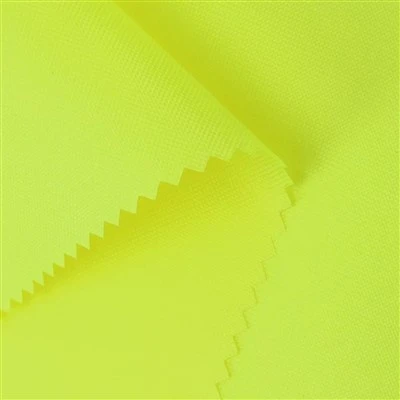
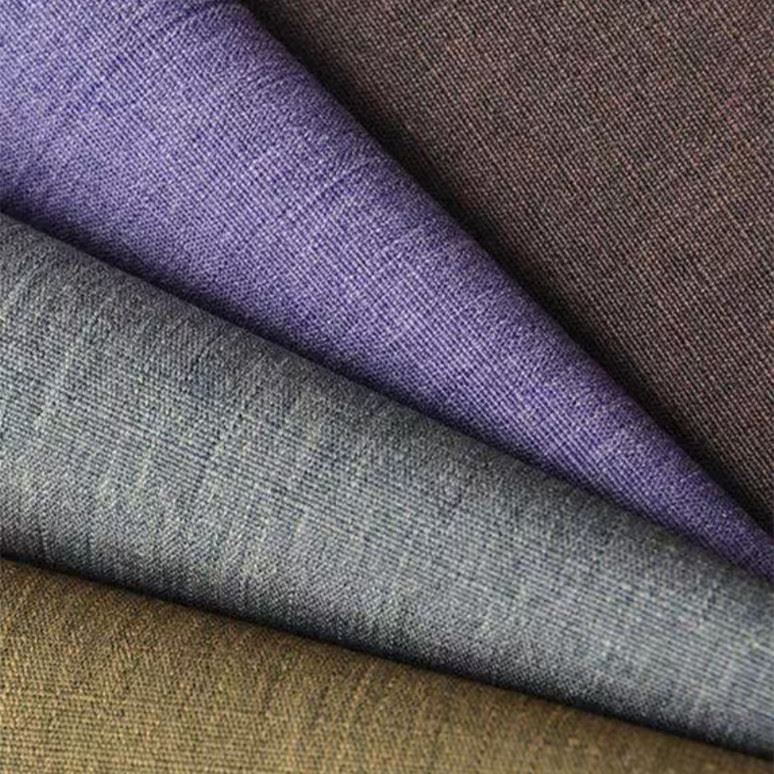
Oxford cloth is a type of woven fabric known for its durability, versatility, and distinctive basketweave pattern. It is typically made from cotton, polyester, or a blend of both materials. The fabric's construction gives it a strong and stable structure, making it suitable for a wide range of applications, including outdoor gear, clothing, and upholstery.
The Composition of Oxford Cloth and Its Impact on Sunlight Resistance
The composition of oxford cloth plays a crucial role in its reaction to sunlight. Cotton oxford cloth, for example, is a natural fiber that is breathable and comfortable to wear. However, it is also more susceptible to damage from sunlight compared to synthetic fibers like polyester. Polyester oxford cloth, on the other hand, is more resistant to UV rays and fading, making it a popular choice for outdoor applications.
Blended oxford cloth, which combines the properties of cotton and polyester, offers a balance between comfort and durability. The polyester component provides UV resistance, while the cotton component adds breathability and softness. This makes blended oxford cloth a versatile option for a variety of uses, including outdoor clothing, tents, and backpacks.
Effects of Sunlight on Oxford Cloth
Sunlight can have several effects on oxford cloth, depending on the fabric's composition, exposure time, and intensity of the sunlight. Here are some of the most common effects:
Fading
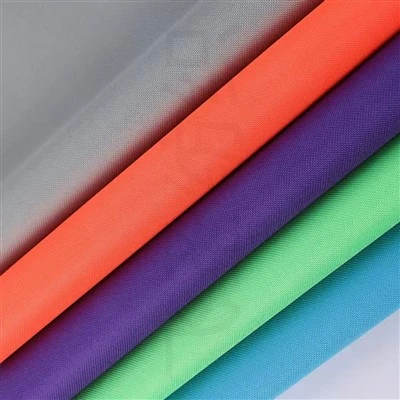
One of the most noticeable effects of sunlight on oxford cloth is fading. The UV rays in sunlight can break down the dyes in the fabric, causing the colors to fade over time. This is particularly true for natural fibers like cotton, which are more prone to fading than synthetic fibers.
Weakening
Prolonged exposure to sunlight can also weaken the fibers in oxford cloth. The UV rays can break down the chemical bonds in the fibers, making them more brittle and prone to tearing. This can reduce the fabric's strength and durability, making it less suitable for long-term use.
Discoloration
In addition to fading, sunlight can also cause discoloration in oxford cloth. This can be due to a variety of factors, including the type of dye used, the fabric's composition, and the intensity of the sunlight. Discoloration can make the fabric look dull and worn, reducing its aesthetic appeal.
Mitigating the Effects of Sunlight on Oxford Cloth
While sunlight can have a negative impact on oxford cloth, there are several ways to mitigate these effects and extend the fabric's lifespan. Here are some tips:
Use UV-Resistant Fabrics
One of the most effective ways to protect oxford cloth from sunlight is to use UV-resistant fabrics. Polyester oxford cloth, for example, is naturally more resistant to UV rays than cotton oxford cloth. Additionally, some manufacturers offer oxford cloth that has been treated with UV inhibitors, which can further enhance its sun protection.
Apply a UV-Protective Coating
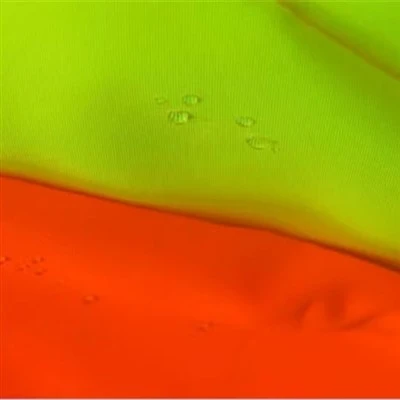
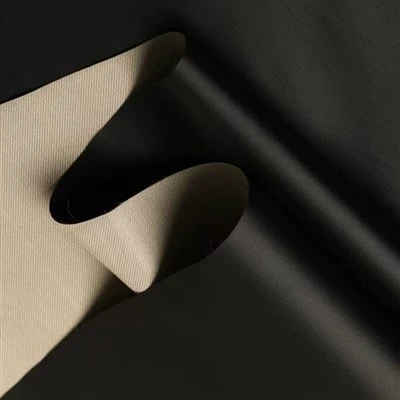
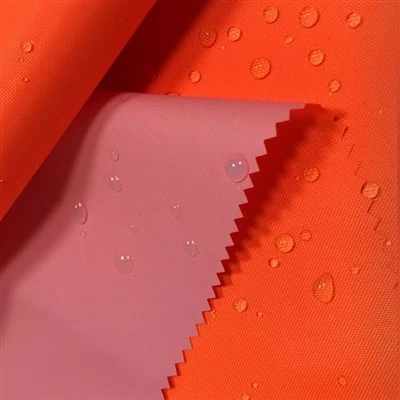
Another way to protect oxford cloth from sunlight is to apply a UV-protective coating. Coated Oxford Fabric is a popular option for outdoor applications, as it provides an additional layer of protection against UV rays. There are several types of coatings available, including PVC Coated Oxford Fabric and PU Coated Oxford Fabric, each with its own unique properties and benefits.
Limit Exposure to Sunlight
One of the simplest ways to protect oxford cloth from sunlight is to limit its exposure. This can be done by storing the fabric in a cool, dark place when it is not in use, or by using it in shaded areas. Additionally, you can use umbrellas, awnings, or other types of shade structures to protect the fabric from direct sunlight.
Wash and Care for the Fabric Properly
Proper washing and care can also help to extend the lifespan of oxford cloth. When washing the fabric, use a mild detergent and cold water, and avoid using bleach or other harsh chemicals. Additionally, you can tumble dry the fabric on low heat or hang it to dry in a shaded area.
Different Types of Oxford Cloth and Their Sunlight Resistance
There are several different types of oxford cloth available, each with its own unique properties and sunlight resistance. Here are some of the most common types:
Oxford Cloth 210D
Oxford Cloth 210D is a lightweight and durable fabric that is commonly used for outdoor applications, such as tents, backpacks, and sleeping bags. It is made from polyester fibers, which provide good UV resistance and make it less prone to fading and discoloration.
Heavy Duty Oxford Cloth
Heavy Duty Oxford Cloth is a thicker and more durable fabric that is designed for heavy-duty applications, such as outdoor furniture, tarps, and covers. It is typically made from a blend of cotton and polyester fibers, which provides a balance between strength and comfort. The polyester component provides good UV resistance, while the cotton component adds breathability and softness.
Conclusion
In conclusion, the reaction of oxford cloth to sunlight depends on several factors, including the fabric's composition, exposure time, and intensity of the sunlight. While sunlight can have a negative impact on oxford cloth, there are several ways to mitigate these effects and extend the fabric's lifespan. By using UV-resistant fabrics, applying a UV-protective coating, limiting exposure to sunlight, and washing and caring for the fabric properly, you can ensure that your oxford cloth products remain in good condition for years to come.
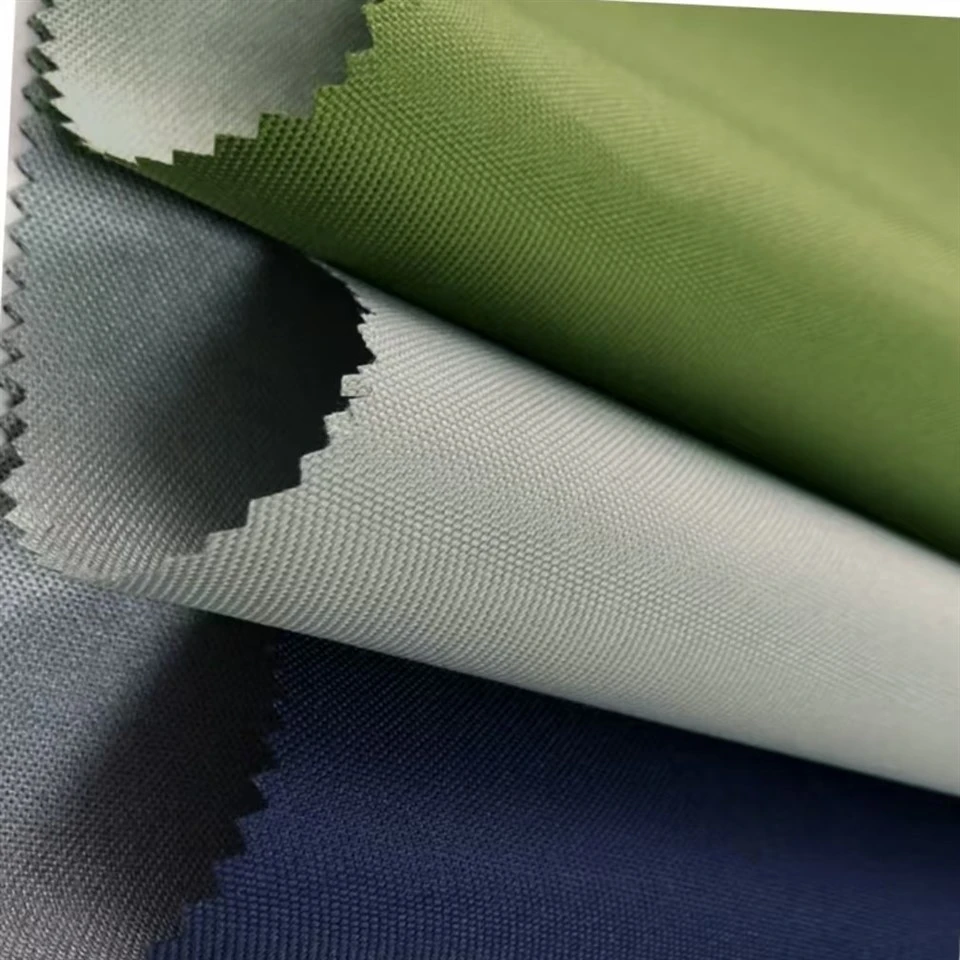
If you're interested in purchasing high-quality oxford cloth for your next project, please don't hesitate to contact us. We offer a wide range of oxford cloth products, including PVC Coated Oxford Fabric, Oxford Cloth 210D, PU Coated Oxford Fabric, and Heavy Duty Oxford Cloth. Our team of experts is available to answer any questions you may have and help you find the perfect fabric for your needs.
References
- Textile Research Journal. "The Effect of Sunlight on the Properties of Woven Fabrics."
- Journal of Applied Polymer Science. "UV Resistance of Polyester and Cotton Blended Fabrics."
- International Journal of Clothing Science and Technology. "Sun Protection Properties of Different Types of Fabrics."