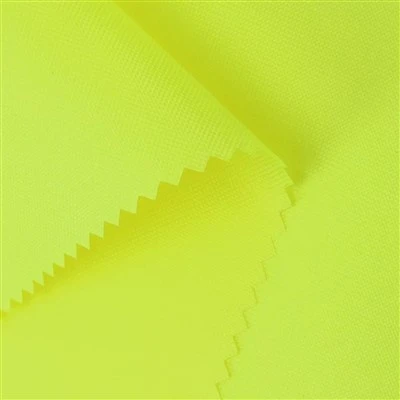

Water is a fundamental component in nature, and its presence can significantly influence the properties of various materials and chemical processes. As a supplier of PU Coated Oxford Fabric, understanding how water affects the bonding of polyurethane (PU) coatings on Oxford fabric is crucial for ensuring product quality and performance.
The Basics of PU Coated Oxford Fabric
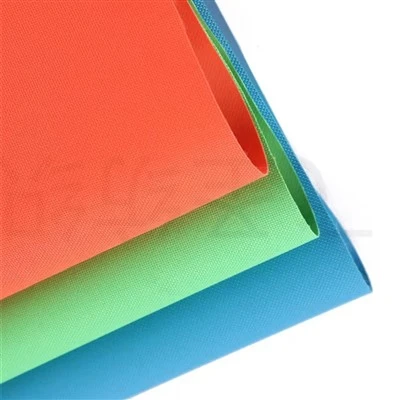
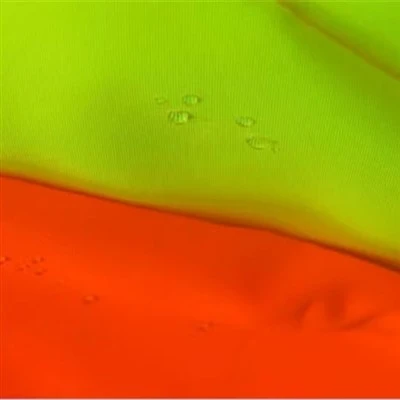
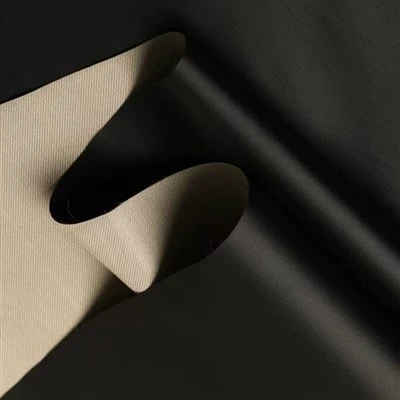
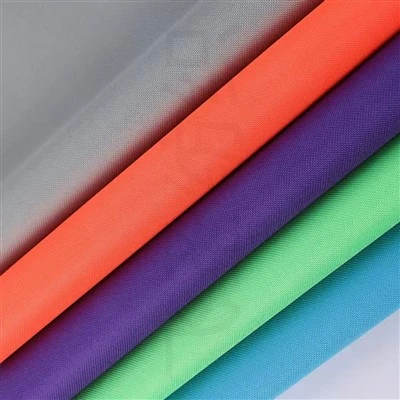
PU coated Oxford fabric combines the advantages of the durable Oxford fabric base with the protective and functional properties of the PU coating. Oxford fabric, known for its high strength and abrasion resistance, provides a stable substrate. The PU coating adds features such as waterproofing, dirt - resistance, and enhanced durability. This combination makes it popular in a wide range of applications, including outdoor equipment, bags, and clothing.
Effects of Water on PU Coating Bonding at the Molecular Level
The bonding of a PU coating to the Oxford fabric involves various types of intermolecular forces and chemical reactions. At the molecular level, water can disrupt these bonding mechanisms.
PU coatings are typically formed through a reaction between isocyanates and polyols. However, water is also reactive with isocyanates. When water is present during the coating process or in the environment after the coating is applied, the following reaction can occur:
[
\mathrm{R - NCO}+\mathrm{H_2O}\rightarrow\mathrm{R - NH_2}+\mathrm{CO_2}
]
The carbon dioxide gas released from this reaction can form bubbles in the coating, leading to a porous structure. This porous structure not only weakens the coating itself but also reduces the adhesion between the coating and the fabric. The amine group ((R - NH_2)) formed can further react with other isocyanate groups, but the resulting urea - like structures may have different physical and chemical properties compared to the ideal polyurethane network, which can also affect the overall bonding strength.
Impact of Water During the Coating Process
1. Moisture in the Raw Materials
If the polyols or other raw materials used in the PU coating formulation contain moisture, it can lead to premature reactions with isocyanates before the coating is applied to the fabric. This can change the viscosity of the coating mixture, making it difficult to achieve a uniform coating thickness on the Oxford fabric. In some cases, the pre - formed urea - like structures can cause the coating mixture to gel, rendering it unusable.
2. Humidity in the Coating Environment
High humidity during the coating process means more water vapor in the air. This water vapor can react with the isocyanates in the coating as it is being applied and cured. As a result, the coating may not cure properly, leading to poor adhesion to the fabric. The surface of the coating may become rough and uneven, reducing its aesthetic appeal and functional performance.
Post - Coating Effects of Water Exposure
1. Hydrolysis of the PU Coating
Over time, continuous exposure to water can cause hydrolysis of the polyurethane chains in the coating. The ester or ether linkages in the PU structure can break in the presence of water, especially under certain pH conditions. This degradation of the polymer chains weakens the coating and reduces its ability to adhere to the fabric. As the coating loses its integrity, it may start to peel or flake off from the Oxford fabric.
2. Swelling and Softening of the Coating
Water can also cause the PU coating to swell and soften. The water molecules penetrate into the polymer network, increasing the distance between the polymer chains and reducing the intermolecular forces holding the coating together. This swelling can put stress on the bond between the coating and the fabric, and in extreme cases, it can cause the coating to detach from the fabric surface.
Comparison with Other Coated Oxford Fabrics
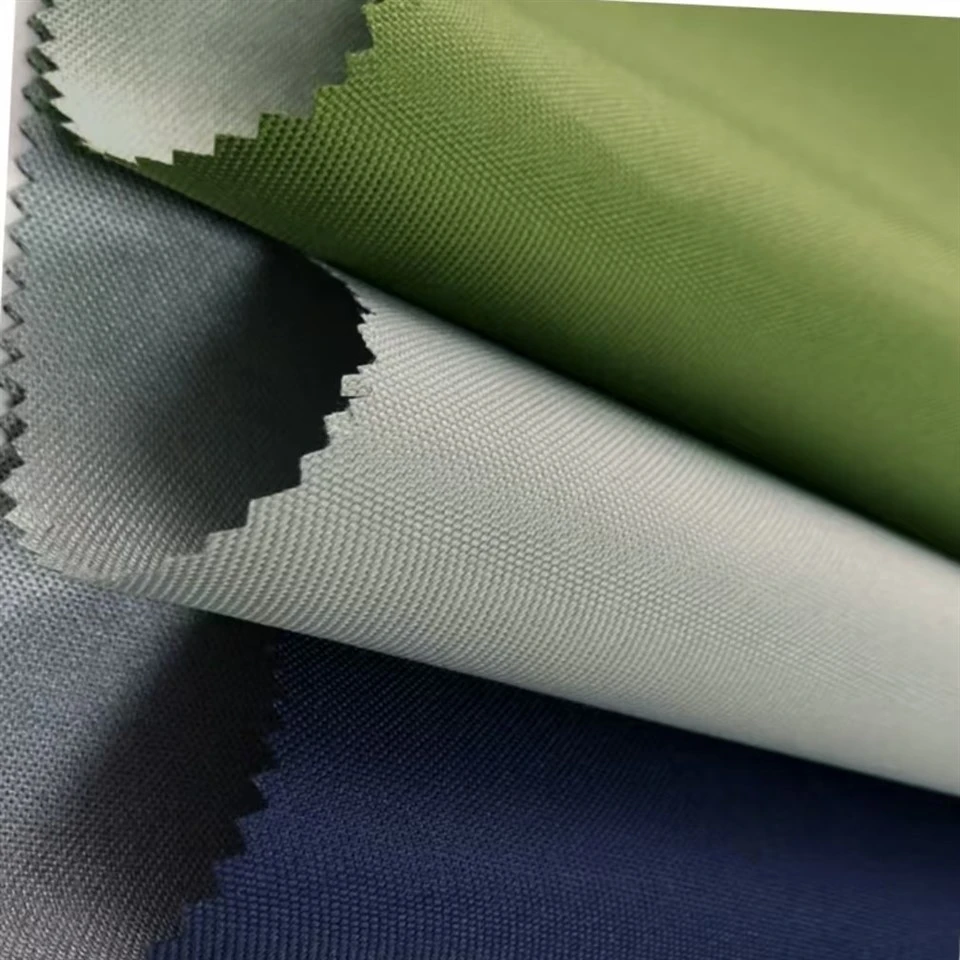
When comparing PU Coated Oxford Fabric with PVC Coated Oxford Fabric, the effect of water on bonding is different. PVC coatings are generally less reactive with water at the molecular level. PVC is a non - polar polymer, and water, being a polar molecule, has limited interaction with the PVC chains. However, prolonged exposure to water can still cause some issues such as the leaching of plasticizers from the PVC coating, which can affect its flexibility and adhesion over time.
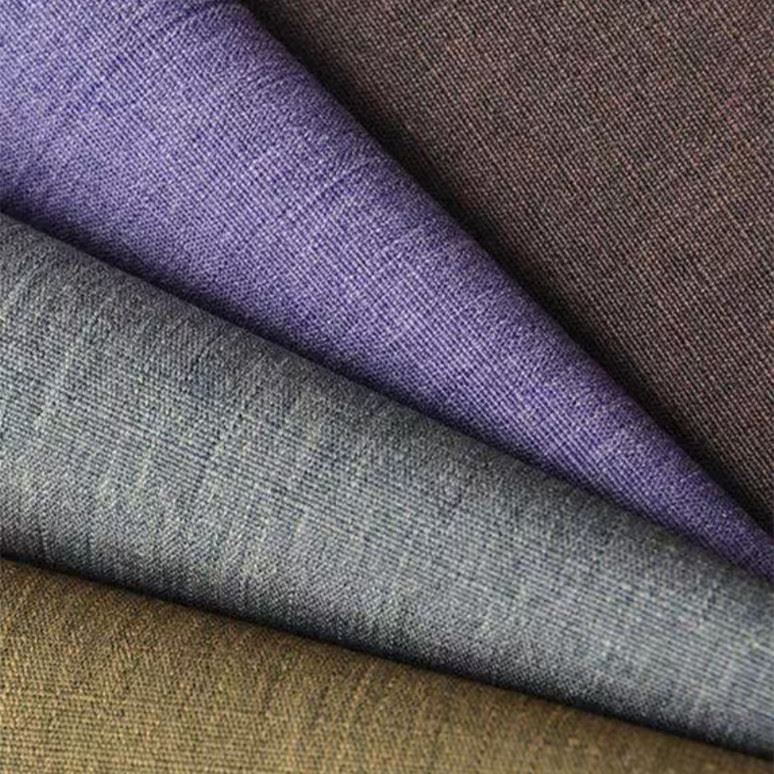
Heavy Duty Oxford Cloth and Oxford Cloth 210D without coatings are more breathable but lack the waterproof and protective properties of coated fabrics. When coated with PU, the water sensitivity of the overall product changes significantly, highlighting the importance of understanding the water - coating interaction.
Mitigating the Effects of Water on PU Coating Bonding
1. Controlling Moisture in the Production Process
To minimize the impact of water during the coating process, strict control of the moisture content in raw materials is essential. This can be achieved through proper storage and drying of the polyols and other components. Additionally, maintaining a low - humidity environment in the coating facility is crucial. Dehumidifiers can be used to keep the relative humidity at an optimal level during the coating and curing processes.
2. Using Water - Resistant Additives
Some additives can be incorporated into the PU coating formulation to enhance its water resistance. These additives can form a hydrophobic layer on the surface of the coating, preventing water from penetrating into the polymer network. They can also improve the chemical stability of the coating against hydrolysis.
3. Surface Treatment of the Fabric
Treating the surface of the Oxford fabric before applying the PU coating can improve the bonding strength and reduce the impact of water. For example, a primer can be applied to the fabric surface to create a better adhesion interface. The primer can also act as a barrier to prevent water from reaching the bond line between the coating and the fabric.
Conclusion
In conclusion, the presence of water can have a significant impact on the bonding of the PU coating on Oxford fabric at various stages, from the coating process to long - term use. Understanding these effects at the molecular and macroscopic levels is essential for producing high - quality Coated Oxford Fabric. By implementing proper moisture control measures, using water - resistant additives, and treating the fabric surface, we can mitigate the negative effects of water and ensure strong and durable bonding between the PU coating and the Oxford fabric.
If you are interested in our PU Coated Oxford Fabric or have any questions about how to deal with water - related issues in the use of coated fabrics, feel free to reach out for a procurement discussion. We are committed to providing you with the best products and solutions based on our in - depth understanding of the material science behind the coating.
References
- Neill, L. A. (2005). Polyurethanes: Coatings, Adhesives, and Elastomers. CRC Press.
- Zaikov, G. E., Kolesnikov, A. S., & Lomaka, A. A. (2011). Water - based polyurethanes. Nova Science Publishers.
- Wicks, Z. W., Jones, F. N., & Pappas, S. P. (2007). Organic Coatings: Science and Technology. Wiley - Interscience.