
Hey there! As a supplier of PU Coated Oxford Fabric, I often get asked about the recycling methods for this material. It's a hot topic these days, and for good reason. With the growing concern for the environment, finding ways to recycle and reuse materials is more important than ever. So, let's dive into the different recycling methods for PU Coated Oxford Fabric.
Understanding PU Coated Oxford Fabric
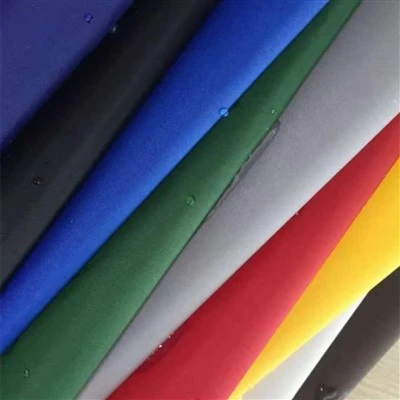
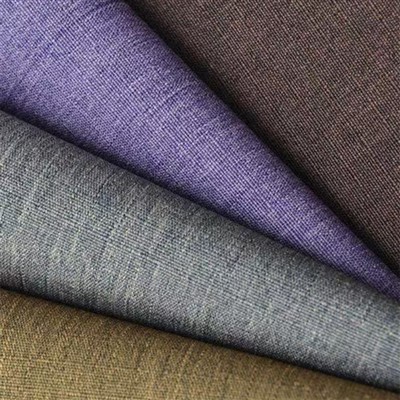
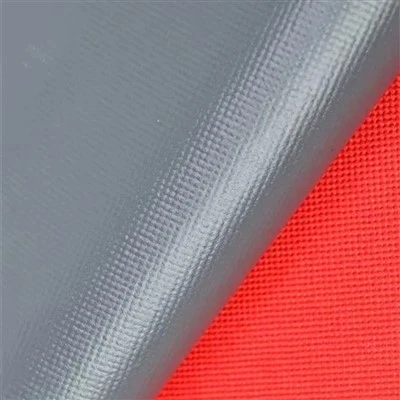
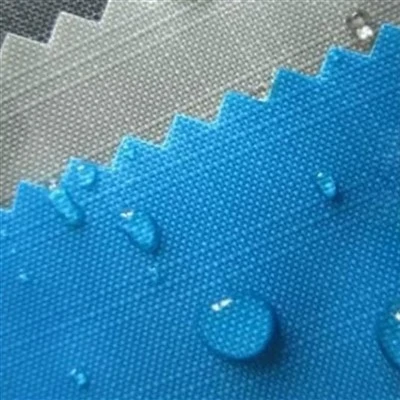
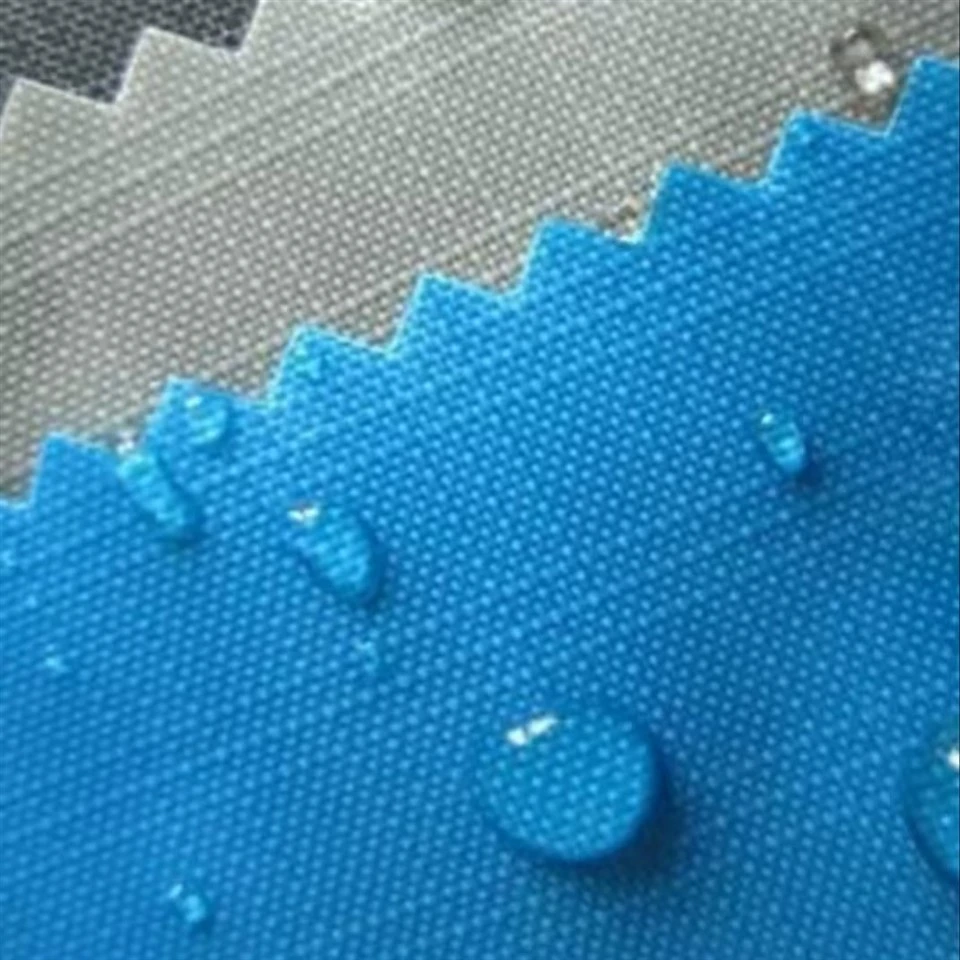
Before we get into the recycling methods, let's quickly go over what PU Coated Oxford Fabric is. It's a type of fabric that combines the durability of Oxford cloth with the water - resistant and protective properties of a polyurethane (PU) coating. This makes it perfect for a wide range of applications, from outdoor gear like tents and backpacks to industrial covers.
If you're interested in different types of Oxford fabric, you can check out Heavy Duty Oxford Cloth and Oxford Material Waterproof on our website. And of course, Coated Oxford Fabric has more details about the product I supply.
Recycling Methods
Mechanical Recycling
One of the most common recycling methods for PU Coated Oxford Fabric is mechanical recycling. This process involves breaking down the fabric into smaller pieces. First, the fabric is collected and sorted to remove any non - fabric materials like zippers, buttons, or other attachments. Then, it goes through a shredding machine that cuts the fabric into small fragments.
These fragments can then be used in a variety of ways. For example, they can be mixed with other fibers to create new fabrics. The resulting fabric might not have the same high - quality properties as the original PU Coated Oxford Fabric, but it can still be used for less demanding applications, such as insulation in furniture or automotive interiors.
The advantage of mechanical recycling is that it's a relatively simple and cost - effective process. However, it does have some limitations. The quality of the recycled material tends to degrade with each recycling cycle, and the process can't handle all types of coatings or contaminants in the fabric.
Chemical Recycling
Chemical recycling is a more advanced method. It involves using chemicals to break down the PU Coated Oxford Fabric into its basic components. The polyurethane coating and the Oxford fabric are separated and then further processed.
For the polyurethane part, it can be broken down into its monomers, which can then be used to make new polyurethane products. The Oxford fabric, on the other hand, can be treated to remove any remaining chemicals and then spun into new yarns.
Chemical recycling has the potential to produce a higher - quality recycled material compared to mechanical recycling. It can also handle more complex fabric compositions. But it's more expensive and requires more specialized equipment and expertise.
Energy Recovery
If the fabric can't be recycled through mechanical or chemical means, energy recovery is an option. This involves burning the PU Coated Oxford Fabric in a controlled environment to produce heat or electricity.
Energy recovery is a way to make use of the energy stored in the fabric. However, it's important to note that this method should be a last resort. Burning the fabric can release pollutants into the air, so it needs to be done in a facility with proper emission control systems.
Challenges in Recycling PU Coated Oxford Fabric
Recycling PU Coated Oxford Fabric isn't without its challenges. One of the main issues is the presence of the polyurethane coating. The coating can make it difficult to separate the different components of the fabric, especially in mechanical recycling.
Another challenge is the collection and sorting process. It can be hard to gather large amounts of used PU Coated Oxford Fabric in a cost - effective way. And sorting the fabric to remove non - fabric materials requires a lot of manual labor.
The Importance of Recycling
Despite the challenges, recycling PU Coated Oxford Fabric is crucial. By recycling, we can reduce the amount of waste that goes into landfills. This helps to conserve natural resources and reduce the environmental impact of fabric production.
Recycling also has economic benefits. It can create jobs in the recycling industry and reduce the need for new raw materials, which can lower production costs in the long run.
Our Role as a Supplier
As a supplier of PU Coated Oxford Fabric, we're committed to promoting sustainable practices. We're constantly looking for ways to improve the recyclability of our products. This includes working on new coating technologies that are easier to separate from the fabric and collaborating with recycling facilities to develop more efficient recycling processes.
We also encourage our customers to recycle their used products. We can provide information on local recycling options and even offer take - back programs in some cases.
Contact Us for Your Purchase
If you're in the market for high - quality PU Coated Oxford Fabric, we'd love to hear from you. Whether you're making outdoor gear, industrial covers, or something else, our fabric is a great choice. We offer a wide range of options in terms of thickness, color, and coating properties.
Don't hesitate to reach out to us for more information or to start a purchase negotiation. We're here to help you find the perfect fabric for your needs.
References
- Smith, J. (2020). Textile Recycling: A Review. Journal of Environmental Science and Technology.
- Johnson, A. (2021). Advances in Chemical Recycling of Polyurethane Materials. Polymer Science Journal.
- Brown, C. (2019). The Economics of Textile Recycling. Business and Environment Review.