
Hey there! As a tent fabric supplier, I often get asked about the foldability of tent fabric. It's a crucial factor, especially for campers, outdoor enthusiasts, and event organizers. Let's dive into what foldability really means and why it matters.
What is Foldability?
Foldability refers to how easily a tent fabric can be folded and stored. A fabric with good foldability can be neatly packed into a small space, making it convenient for transportation and storage. It's not just about being able to fold the fabric; it's about how well it retains its shape after folding and how quickly it can return to its original state when set up.
Imagine you're going on a camping trip. You want a tent that can be easily folded up and packed into your backpack or car trunk. If the fabric is difficult to fold, it can be a real hassle. You might end up spending a lot of time struggling to get it into a compact size, and it might not fit properly in your storage space.
Factors Affecting Foldability
Material Type
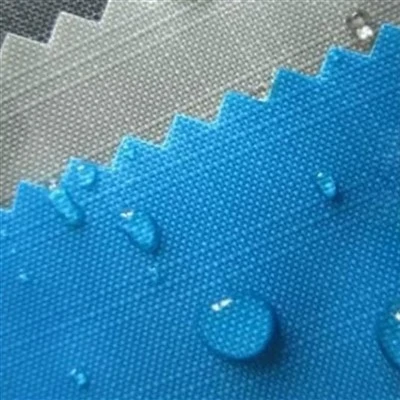
Different materials have different foldability characteristics. For example, nylon is a popular choice for tent fabrics because it's lightweight and has good foldability. It can be easily folded into a small bundle without losing its shape. On the other hand, some heavy-duty canvas materials might be more difficult to fold due to their thickness and stiffness.
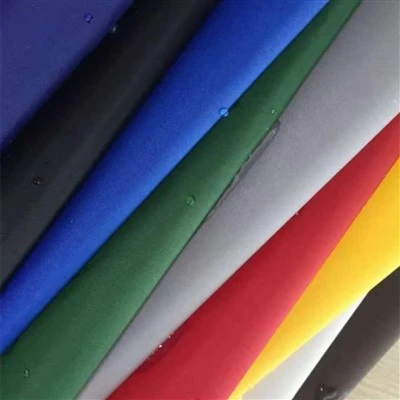
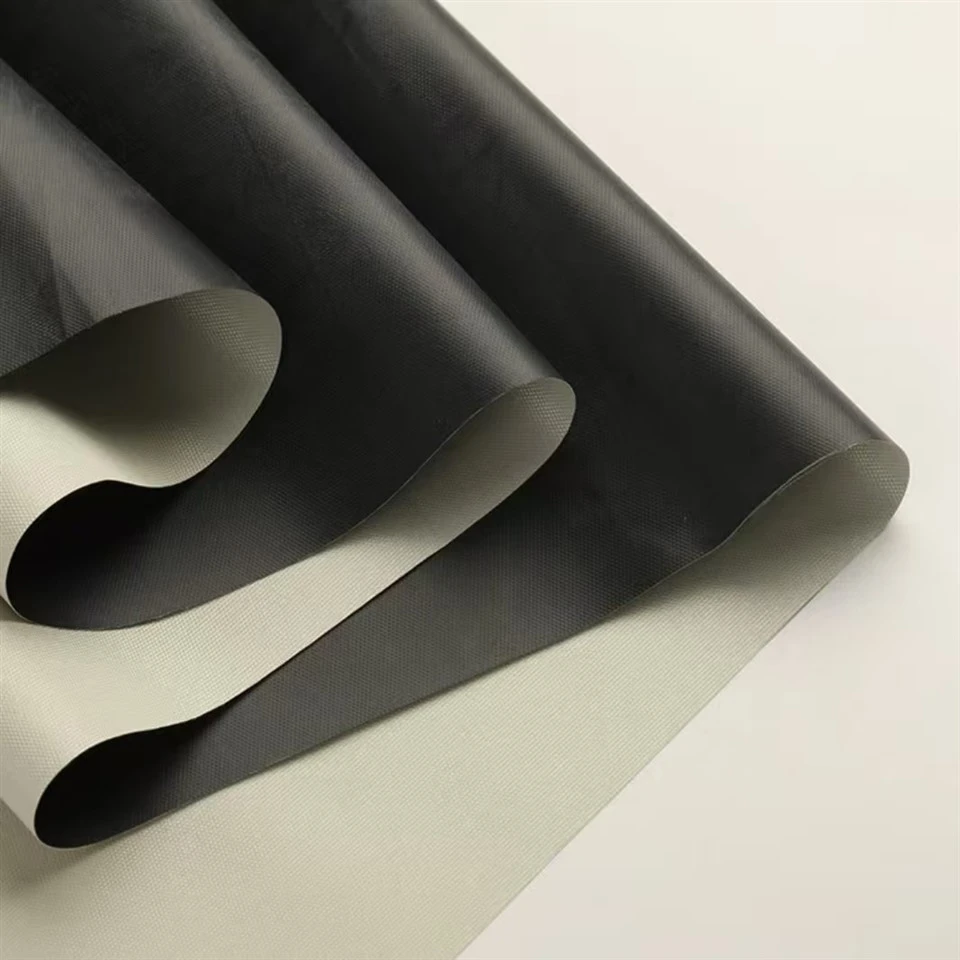
Blackout Tent Fabric is another type of material that offers good foldability. It's designed to block out light, which is great for sleeping in bright conditions. The fabric is usually made from a combination of materials that are both durable and easy to fold.
Weave and Texture
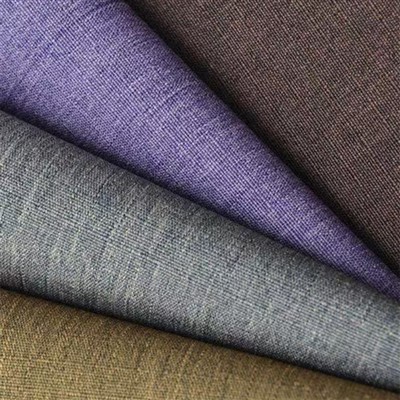
The weave and texture of the fabric also play a role in foldability. A tight weave can make the fabric more resistant to wrinkling and easier to fold. For example, Tent Sheet Material often has a smooth texture and a tight weave, which allows it to be folded neatly.
On the other hand, a fabric with a loose or uneven weave might be more prone to wrinkling and difficult to fold. The texture can also affect how the fabric feels when folded. A soft, smooth texture is generally more comfortable to handle and easier to fold than a rough or bumpy texture.
Thickness
Thicker fabrics are usually more difficult to fold than thinner ones. This is because they have more mass and are less flexible. However, thicker fabrics also tend to be more durable and provide better insulation. So, there's a trade-off between foldability and durability.
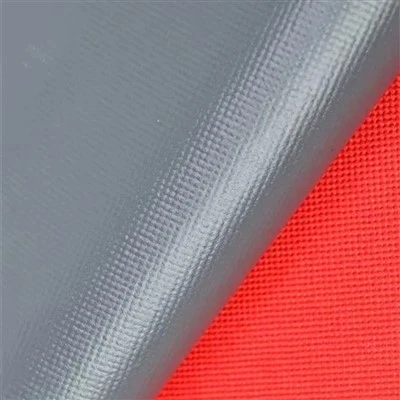
For example, Oxford Cloth Inflatable Tent fabric is often thicker than other types of tent fabrics. It's designed to be strong and resistant to wear and tear. While it might be a bit more difficult to fold, it offers excellent durability and performance.
Why Foldability Matters
Portability
One of the main reasons why foldability matters is portability. Whether you're going on a camping trip, a festival, or an outdoor event, you want a tent that can be easily carried with you. A tent with good foldability can be packed into a small bag or container, making it easier to transport.
This is especially important for backpackers and hikers who need to carry their gear over long distances. A lightweight, easily foldable tent can make a big difference in their overall experience.
Storage
Foldability also affects how the tent can be stored. If the fabric can be folded neatly, it can be stored in a small space, such as a closet or a storage shed. This is important for people who don't have a lot of storage space at home.
In addition, a tent that can be folded and stored properly is less likely to get damaged. Wrinkles and creases can weaken the fabric over time, so it's important to fold the tent correctly to maintain its integrity.
Ease of Setup
A tent with good foldability is also easier to set up. When the fabric is folded neatly, it's easier to unfold and lay out on the ground. This can save you time and effort when setting up your tent, especially if you're in a hurry.

How to Improve Foldability
Proper Folding Techniques
Using the right folding techniques can make a big difference in the foldability of your tent fabric. Here are some tips:
- Start by laying the tent flat on the ground.
- Smooth out any wrinkles or creases.
- Fold the tent in half lengthwise, then in half again.
- Roll the tent tightly from one end to the other.
- Secure the rolled tent with a strap or a tie.
Regular Maintenance
Regular maintenance can also help improve the foldability of your tent fabric. Here are some things you can do:
- Clean the tent regularly to remove dirt and debris.
- Dry the tent completely before folding and storing it.
- Avoid folding the tent when it's wet, as this can cause mold and mildew to grow.
- Store the tent in a cool, dry place.
Conclusion
In conclusion, foldability is an important factor to consider when choosing a tent fabric. It affects portability, storage, and ease of setup. By understanding the factors that affect foldability and using the right folding techniques and maintenance practices, you can ensure that your tent fabric is easy to fold and store.
If you're in the market for high-quality tent fabric with excellent foldability, I'd love to chat with you. We offer a wide range of tent fabrics, including Tent Sheet Material, Blackout Tent Fabric, and Oxford Cloth Inflatable Tent. Contact us to discuss your specific needs and start a procurement conversation.
References
- Outdoor Gear Lab. (n.d.). Tent fabric guide. Retrieved from [Outdoor Gear Lab website]
- REI. (n.d.). Tent fabric types. Retrieved from [REI website]