
When it comes to exploring the versatility of poncho fabric, one question that often arises is whether it can be used for making tablecloths. As a poncho fabric supplier, I've delved into this topic extensively, considering the various properties of poncho fabric and how they translate to tablecloth applications. In this blog, I'll share my insights on this matter, looking at the advantages, potential drawbacks, and practical considerations of using poncho fabric for tablecloths.
Properties of Poncho Fabric
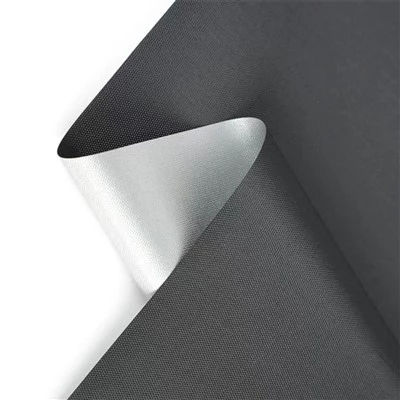
Poncho fabrics come in a wide range of materials, each with its own set of characteristics. One of the most common types is the oilcloth poncho fabric, which is known for its water - resistant and durable nature. The Oilcloth Rain Poncho is a prime example of this kind of fabric. Oilcloth poncho fabric is typically made by coating a base fabric, such as cotton, with a layer of oil or wax. This coating not only makes the fabric waterproof but also gives it a smooth, shiny surface.
Another type of poncho fabric is wool. Wool ponchos are warm, breathable, and have a natural ability to repel water to some extent. They also have a soft, cozy texture that can add a touch of luxury to any setting. Synthetic fabrics like polyester are also used in ponchos. Polyester is lightweight, quick - drying, and resistant to wrinkles and stains, making it a practical choice for outdoor use.
Advantages of Using Poncho Fabric for Tablecloths
Durability
One of the main advantages of using poncho fabric for tablecloths is its durability. Fabrics like oilcloth and polyester are resistant to wear and tear, making them suitable for long - term use. They can withstand regular use, including spills, scratches, and frequent washing. For example, in a busy restaurant or a household with children, a durable tablecloth is essential to maintain its appearance over time.
Water Resistance
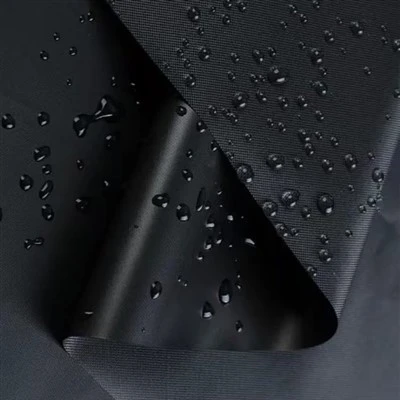
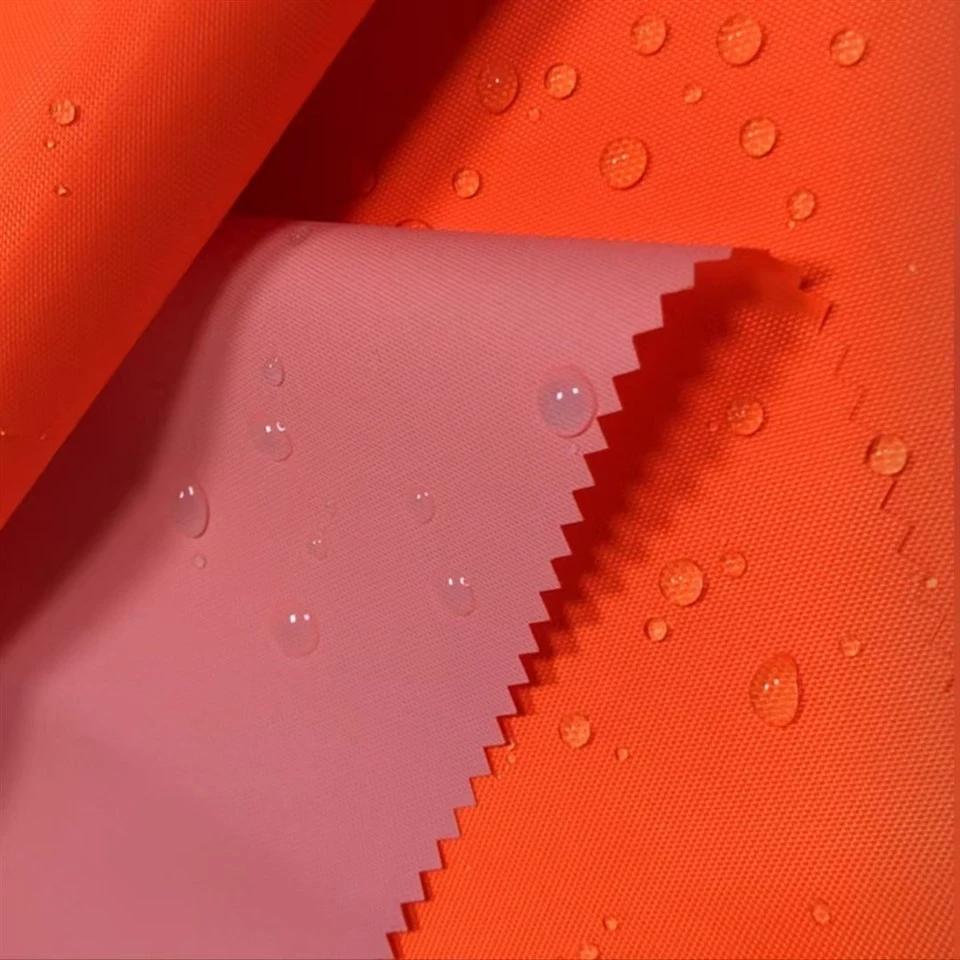
Water - resistant poncho fabrics, such as oilcloth, are ideal for tablecloths, especially in settings where spills are common. Whether it's a glass of water, a plate of soup, or a splash of wine, the water - resistant surface of the fabric will prevent the liquid from seeping into the table. This not only protects the table but also makes cleaning up spills a breeze. You can simply wipe the surface with a damp cloth, and the tablecloth will be as good as new.
Aesthetic Appeal
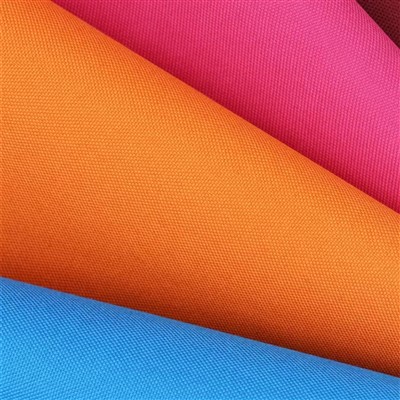
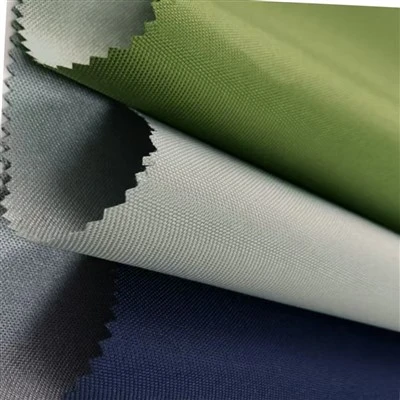
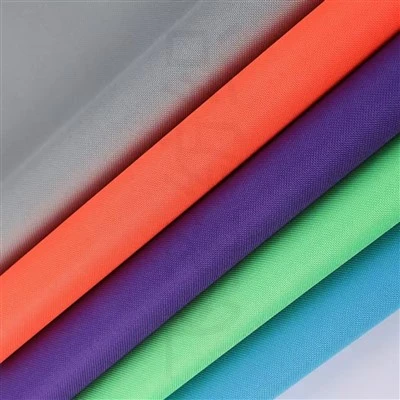
Poncho fabrics come in a variety of colors, patterns, and textures, allowing you to choose a tablecloth that matches your decor. Whether you prefer a bold, vibrant pattern for a modern, energetic look or a subtle, neutral color for a more traditional setting, there's a poncho fabric to suit your taste. Wool poncho fabrics, in particular, can add a rustic and elegant touch to a dining table.
Versatility
Poncho fabric tablecloths can be used in a variety of settings, both indoor and outdoor. They are suitable for formal dinners, casual family meals, picnics, and outdoor events. The same tablecloth that looks great on a dining room table can also be used for a picnic in the park or a barbecue in the backyard.
Potential Drawbacks
Cost
Some high - quality poncho fabrics, such as wool or specialized oilcloth, can be relatively expensive compared to traditional tablecloth materials. This may be a consideration for those on a tight budget. However, when you consider the durability and long - term use of the fabric, the investment may be worth it in the long run.
Weight and Thickness
Depending on the type of poncho fabric, it may be heavier and thicker than regular tablecloths. This can make it more difficult to fold and store, especially if you have limited space. For example, a thick wool poncho fabric tablecloth may take up more room in a closet compared to a lightweight cotton tablecloth.
Maintenance
While poncho fabrics are generally easy to clean, some may require special care. For instance, wool fabrics need to be washed gently and may need to be dry - cleaned to maintain their shape and texture. Oilcloth fabrics may need to be treated with a special cleaner to keep their water - resistant properties.
Practical Considerations
Size and Shape
When using poncho fabric for tablecloths, you need to consider the size and shape of your table. Poncho fabrics are usually sold in standard widths, so you may need to piece together multiple pieces of fabric to cover a large table. You also need to ensure that the fabric is cut and hemmed properly to give the tablecloth a neat and professional look.
Colorfastness
It's important to check the colorfastness of the poncho fabric before using it as a tablecloth. You don't want the colors to fade or bleed when the fabric is exposed to sunlight, water, or cleaning agents. Most high - quality poncho fabrics are colorfast, but it's still a good idea to test a small piece of the fabric first.
Compatibility with Tableware
The texture and surface of the poncho fabric may affect the way tableware slides or sits on the table. For example, a smooth oilcloth surface may cause plates and glasses to slide more easily compared to a textured fabric. You may need to adjust your table settings accordingly to ensure that the tableware stays in place.
Conclusion
In conclusion, poncho fabric can definitely be used for making tablecloths, and it offers several advantages such as durability, water resistance, aesthetic appeal, and versatility. However, there are also some potential drawbacks to consider, including cost, weight, and maintenance. By taking into account the practical considerations such as size, colorfastness, and compatibility with tableware, you can make an informed decision about whether poncho fabric is the right choice for your tablecloth needs.
If you're interested in exploring poncho fabric for your tablecloth projects or have any questions about our poncho fabric products, I encourage you to reach out to us for a detailed discussion. We're more than happy to provide samples, offer advice on fabric selection, and assist you in finding the perfect poncho fabric for your specific requirements.
References
- Textile Institute. Handbook of Textile Fibres. Woodhead Publishing, 2016.
- Consumer Reports. "Fabric Buying Guide". 2022.
- American Home Furnishings Alliance. "Tablecloth Selection and Care". 2021.