
Hey there! As a supplier of reflective fabric, I've got a ton of experience with this unique material. And today, I'm gonna share with you how to sew reflective fabric like a pro.
Why Choose Reflective Fabric?
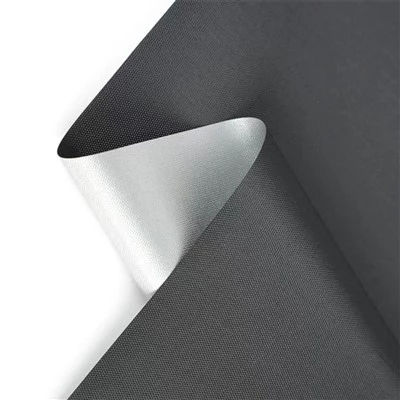
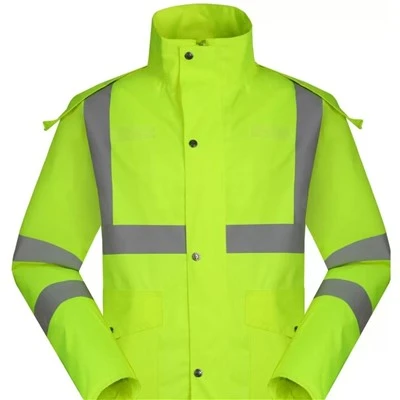
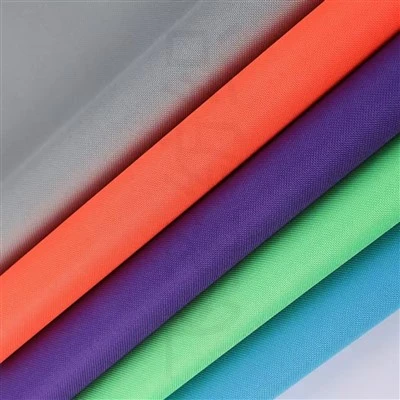
Before we dive into the sewing process, let's talk about why reflective fabric is so awesome. Reflective fabric is designed to reflect light, making it highly visible in low - light conditions. This property makes it a popular choice for safety gear, like vests for construction workers, cyclists, and runners. It's also used in outdoor equipment, such as tents and backpacks, and even in home decor, like Sun Reflective Fabric for Windows to keep your rooms cool.
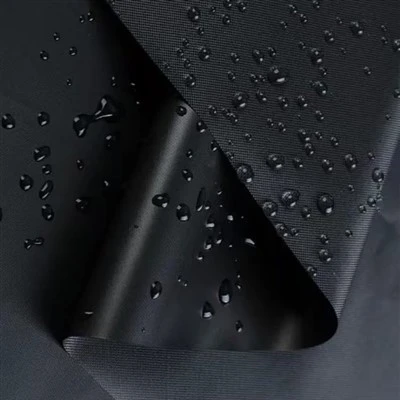
There are different types of reflective fabric out there. For instance, Reflective Safety Fabric is specifically made for safety applications. It's tough, durable, and has high - intensity reflectivity. On the other hand, Reflective Waterproof Fabric is great for outdoor use as it can withstand water while still being reflective.
Getting Ready to Sew
Tools You'll Need
First things first, gather your tools. You'll need a sewing machine, of course. A regular home sewing machine will work just fine, but make sure it's in good working condition. You'll also need needles. For reflective fabric, a sharp needle is a must. A size 11 or 14 needle usually does the trick.
Other essential tools include scissors for cutting the fabric, pins to hold the fabric in place, and thread. Choose a thread that matches the color of your reflective fabric or goes well with it. A polyester thread is a good option as it's strong and durable.
Preparing the Fabric
Before you start sewing, it's important to prepare the reflective fabric. Wash it if it's new. This helps to remove any chemicals or sizing that might be on the fabric. However, be gentle when washing. Use a mild detergent and a gentle cycle. After washing, let it air - dry.
Once the fabric is dry, lay it out on a flat surface. Smooth out any wrinkles or creases. You can use a pressing cloth and a warm iron to press the fabric gently. But be careful not to press too hard or use too high a heat, as this can damage the reflective coating.
Cutting the Fabric
When cutting reflective fabric, use sharp scissors. Dull scissors can cause the fabric to fray or the reflective coating to peel. Measure and mark the fabric according to your pattern. If you're making a simple project like a reflective patch, you can use a ruler and a fabric marker to mark the shape.
For more complex patterns, it's a good idea to use a pattern paper. Trace the pattern onto the fabric and then cut along the lines. Make sure to leave a small seam allowance, usually about 1/4 to 1/2 inch, depending on your project.
Sewing Techniques
Straight Stitches
The most basic sewing technique is the straight stitch. Set your sewing machine to a medium - length stitch, around 2.5 to 3 millimeters. Start sewing at one end of the fabric and keep the fabric moving smoothly under the needle. If you're sewing two pieces of fabric together, make sure the edges are aligned properly.
When sewing reflective fabric, you might notice that the fabric can be a bit slippery. To prevent it from slipping, use pins to hold the fabric in place. You can also use a walking foot on your sewing machine. A walking foot helps to feed the fabric evenly, especially when sewing multiple layers or slippery fabrics.
Zig - Zag Stitches
Zig - zag stitches are great for finishing the edges of the fabric to prevent fraying. Set your sewing machine to a zig - zag stitch. Adjust the width and length of the stitch according to your needs. A width of about 2 to 3 millimeters and a length of about 1.5 to 2 millimeters usually works well.
Sew along the edge of the fabric, making sure to cover the raw edge completely. You can also use a serger to finish the edges, which gives a more professional look.
Topstitching
Topstitching is used to add a decorative touch or to reinforce seams. Use a slightly longer stitch length, around 3 to 4 millimeters. Sew along the seam, about 1/8 to 1/4 inch from the edge. You can use a contrasting thread color for a more eye - catching effect.
Dealing with Challenges
Reflective Coating Damage
One of the main challenges when sewing reflective fabric is the risk of damaging the reflective coating. To avoid this, make sure your needles are sharp. Dull needles can pull or snag the reflective coating. Also, be careful when pressing the fabric. As I mentioned earlier, use a pressing cloth and a warm iron.
If you accidentally damage the reflective coating, you can try to repair it with a reflective tape. Cut the tape to the appropriate size and apply it over the damaged area. Press it firmly to ensure good adhesion.
Slippery Fabric
As I said before, reflective fabric can be slippery. To deal with this, you can use fabric stabilizers. There are different types of fabric stabilizers available, such as interfacing. Cut the interfacing to the same size as your fabric and fuse it to the back of the fabric using an iron. This will make the fabric less slippery and easier to sew.
Tips for a Professional Finish
Seam Finishes
To give your project a professional finish, pay attention to the seam finishes. As I mentioned, zig - zag stitches or serging are great for finishing the edges. You can also use bias binding to cover the raw edges. Bias binding gives a neat and clean look.
Pressing
Pressing is an important step in the sewing process. After each seam, press the seam open or to one side, depending on your pattern. This helps to flatten the seams and gives your project a more polished look. Use a pressing cloth to protect the reflective coating.
Conclusion
Sewing reflective fabric can be a fun and rewarding experience. With the right tools, techniques, and a bit of practice, you can create amazing projects using this unique material. Whether you're making safety gear, outdoor equipment, or home decor, reflective fabric adds a touch of functionality and style.
If you're interested in purchasing reflective fabric for your next project, we're here to help. We offer a wide range of high - quality reflective fabrics, including Reflective Safety Fabric, Sun Reflective Fabric for Windows, and Reflective Waterproof Fabric. Contact us to discuss your requirements and start your next sewing adventure!
References
- "Sewing for Beginners" by Jane Smith
- "Fabric Guide: Reflective Fabrics" by John Doe