Product Overview
Sun Reflective Fabric for Windows is a polyester solar-control mesh with a reflective metallic surface, designed for interior window shading. Typical uses include roller blinds, removable window screens and fabricated shading panels in homes, offices, shops, schools and other glazed spaces. The fabric is intended for projects that need to manage solar heat, glare, UV exposure and daytime privacy.
Key Data Table
|
Property |
Value |
|
Base |
High density polyester mesh |
|
Open Area |
10% |
|
Front Layer |
Vacuum coated aluminum or aluminum foil |
|
Back Layer |
Black light absorbing layer |
|
Weight |
170 g/m² |
|
Solar Reflectance (ASTM E903) |
>65% |
|
Total Solar Block (Reflect + Absorb) |
>80% |
|
Visible Light Transmittance |
<10% |
|
Temperature Drop at Window |
8-12°C lower |
|
UPF |
50+ |
|
UVA Transmittance |
<1% |
|
Flame Retardant |
UL 94 V-2 or GB 8624 B1 |
Key Features
Solar Reflectance
Under ASTM E903 test conditions, the aluminum surface has more than 65% solar reflectance, and the combined reflected and absorbed solar load is above 80%. This is useful on west- and south-facing glazing that receives strong afternoon sun: the reflective face reduces radiant energy moving toward the room and lowers heat loading around the shade-and-glass interface.
Glare and Daytime Privacy
The mesh has 10% openness and visible-light transmittance below 10%. It reduces direct glare without fully blocking the outward view. In daytime conditions, when the exterior is brighter than the room, the reflective face also makes inward visibility more difficult. This suits offices, street-facing rooms and commercial glazing where daytime privacy is needed without using an opaque panel.
Customization Capability

Reflective Face Options
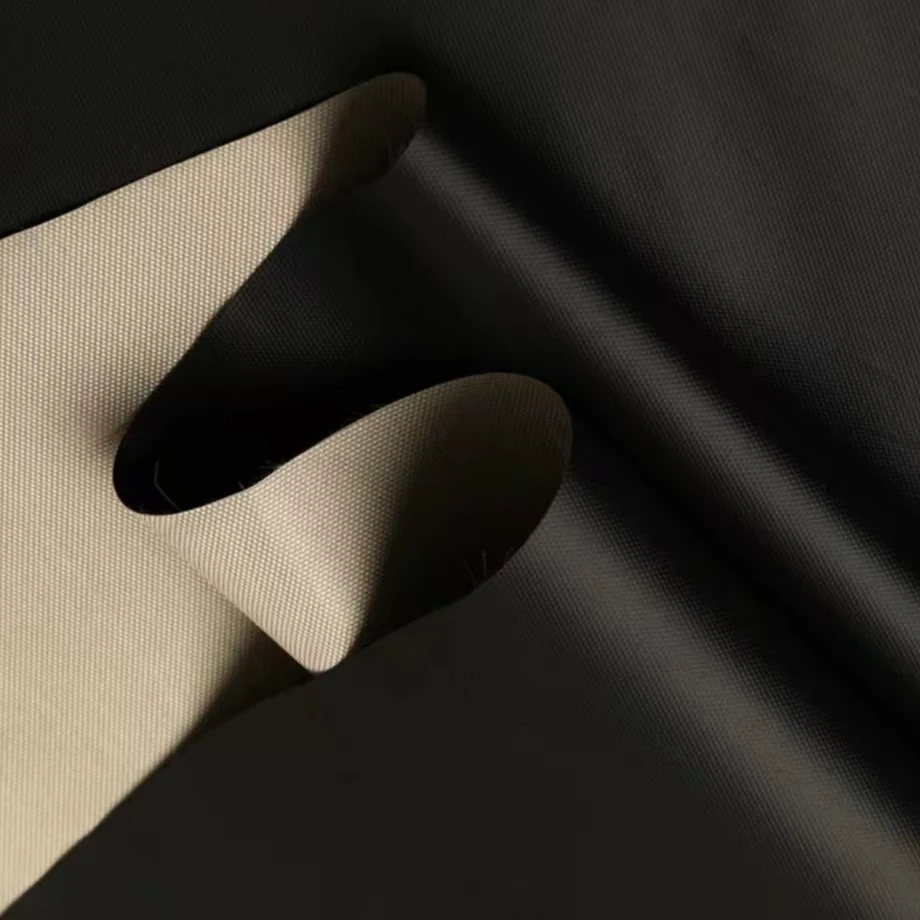
Two reflective-face constructions are available: vacuum-metallized aluminum for a lighter reflective layer, or laminated aluminum foil for a more substantial metallic face. Both use a dark reverse layer for light control.
Roll Width
Roll widths from 1.5 to 2.5 meters can be specified to suit roller-shade systems, window-screen fabrication and downstream cutting plans.
Quality Control
- Before metallizing or lamination, the polyester mesh is checked for roll width, basis weight, openness consistency and visible weaving defects. After the reflective layer is applied, the aluminum face and black reverse are examined for streaks, pinholes, scratches and uneven coverage. These defects can show up as visible hot spots or weak areas after installation.
- For lot verification, measurements are taken at several positions across the roll and compared with the approved solar-control specification. This helps identify edge-to-center variation before the lot is released.
- Packing starts after each finished roll has been visually checked for edge condition, surface cleanliness, coating continuity and overall roll presentation. If the order calls for an independent pre-shipment check, third-party inspection is accepted.
FAQ
Q: Can I get a sample before ordering?
A: Yes. Standard product samples can be provided free.
Q: Which shipping term is supported?
A: FOB.
Q: How should the reflective surface be cleaned?
A: Use a soft, non-abrasive cleaning method.
Q: What flame-retardant options are available?
A: UL 94 V-2 or GB 8624 B1.
Hot Tags: sun reflective fabric for windows, China sun reflective fabric for windows manufacturers, suppliers, factory, reflective fabric, Reflective Safety Fabric, Reflective Waterproof Fabric, Sun Reflective Fabric For Windows