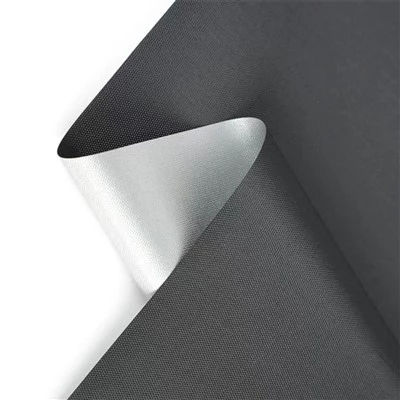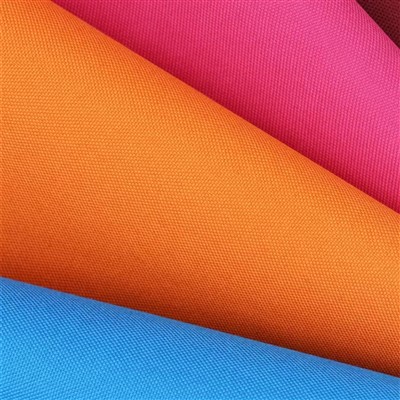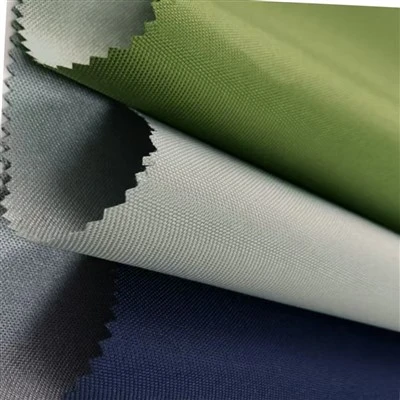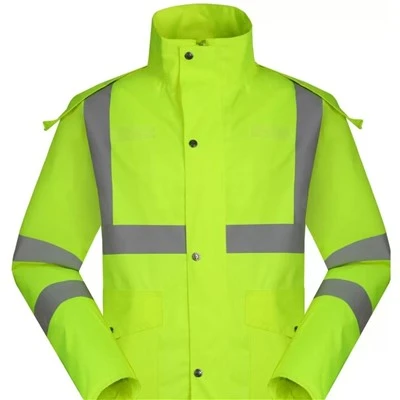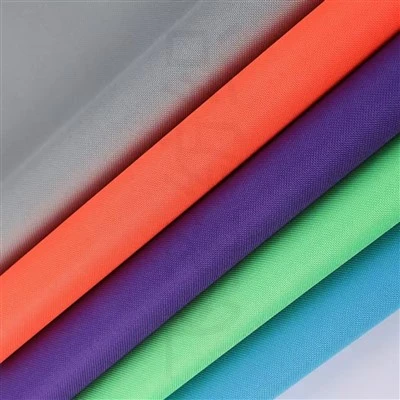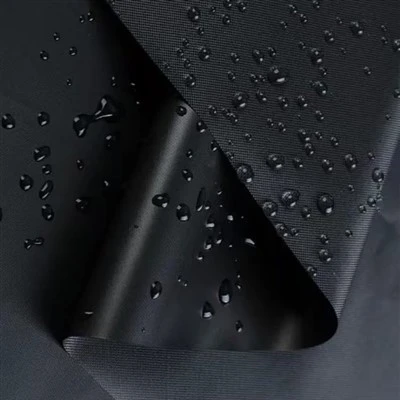

As a seasoned supplier of Coated Oxford Fabric, I've witnessed firsthand the remarkable properties that make this material a staple in various industries. Elasticity, in particular, is a key characteristic that sets Coated Oxford Fabric apart from other materials. In this blog post, I'll delve into the elasticity properties of Coated Oxford Fabric, exploring how they contribute to its versatility and functionality.
Understanding Elasticity in Coated Oxford Fabric
Elasticity refers to the ability of a material to deform under stress and return to its original shape when the stress is removed. In the context of Coated Oxford Fabric, elasticity plays a crucial role in determining its performance and durability. The fabric's elasticity is influenced by several factors, including the type of coating, the weave structure, and the fiber composition.
The Role of Coating
The coating applied to Oxford Fabric significantly impacts its elasticity. Different types of coatings, such as PVC, PU, and TPU, offer varying degrees of elasticity. PVC Coated Oxford Fabric, for example, is known for its high elasticity and excellent waterproof properties. The PVC coating provides a flexible barrier that allows the fabric to stretch without losing its shape. On the other hand, PU-coated Oxford Fabric offers a more breathable and softer feel, with a slightly lower elasticity compared to PVC. TPU-coated Oxford Fabric combines the best of both worlds, offering high elasticity, waterproofing, and breathability.
Weave Structure
The weave structure of Coated Oxford Fabric also affects its elasticity. The most common weave structures for Oxford Fabric are the plain weave and the basket weave. The plain weave is a simple and tight weave that provides a relatively low degree of elasticity. In contrast, the basket weave has a looser structure, allowing the fabric to stretch more easily. This makes the basket weave a popular choice for applications that require high elasticity, such as sports equipment and outdoor gear.
Fiber Composition
The fiber composition of Coated Oxford Fabric is another important factor in determining its elasticity. Most Coated Oxford Fabrics are made from polyester or nylon fibers, which are known for their strength and durability. Polyester fibers offer a high degree of elasticity and are resistant to stretching and shrinking. Nylon fibers, on the other hand, are more elastic and have a higher abrasion resistance. The combination of these fibers in Coated Oxford Fabric results in a material that is both strong and elastic.
Applications of Elasticity in Coated Oxford Fabric
The elasticity properties of Coated Oxford Fabric make it suitable for a wide range of applications. Here are some of the most common uses of this material:
Outdoor Gear
Coated Oxford Fabric is widely used in the production of outdoor gear, such as tents, backpacks, and sleeping bags. The fabric's elasticity allows it to withstand the rigors of outdoor activities, such as hiking, camping, and mountaineering. The high elasticity of the fabric ensures that it can stretch and adapt to different shapes and movements, providing a comfortable and secure fit. Additionally, the waterproof and UV-resistant properties of Coated Oxford Fabric make it ideal for protecting against the elements.
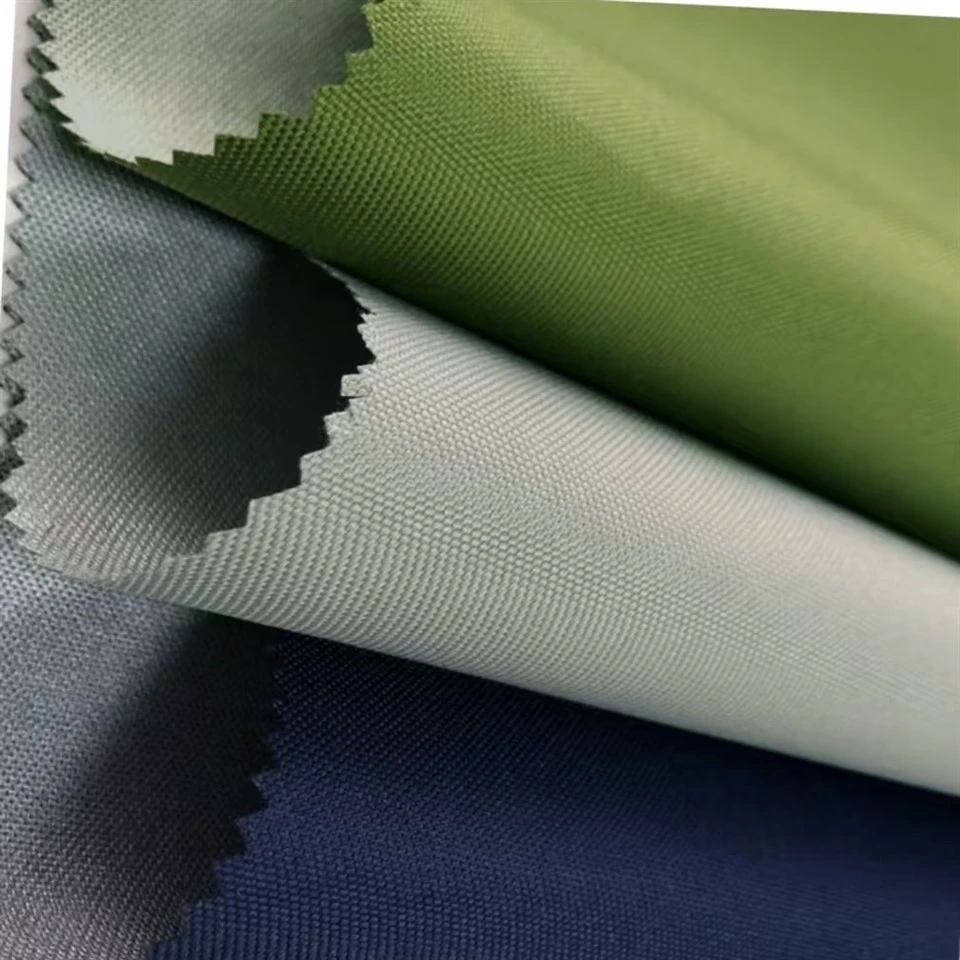
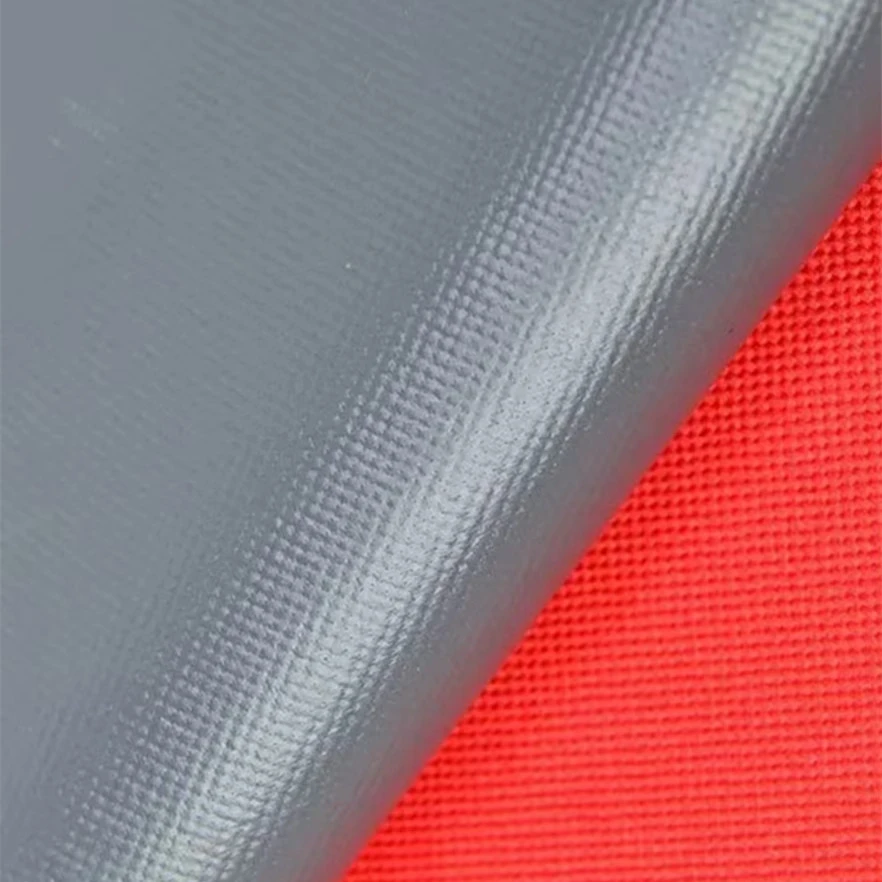
Sports Equipment
The elasticity of Coated Oxford Fabric makes it a popular choice for sports equipment, such as balls, gloves, and protective gear. The fabric's ability to stretch and return to its original shape allows it to provide a snug and comfortable fit, while also offering excellent durability. For example, Coated Oxford Fabric is often used in the production of basketballs and soccer balls, as it can withstand the impact of repeated use and maintain its shape.
Automotive Interiors
Coated Oxford Fabric is also used in the automotive industry for interior applications, such as seat covers, door panels, and headliners. The fabric's elasticity allows it to conform to the shape of the vehicle's interior, providing a custom fit. Additionally, the fabric's durability and resistance to wear and tear make it a practical choice for automotive interiors.
Industrial Applications
In the industrial sector, Coated Oxford Fabric is used for a variety of applications, such as conveyor belts, tarps, and industrial covers. The fabric's elasticity allows it to withstand the stress and strain of industrial processes, while also providing a reliable barrier against moisture, dust, and other contaminants. For example, Oxford Material Waterproof is often used in the production of tarps and covers for outdoor storage, as it can protect against the elements and prevent damage to the stored items.
Benefits of Elasticity in Coated Oxford Fabric
The elasticity properties of Coated Oxford Fabric offer several benefits, including:
Comfort
The high elasticity of Coated Oxford Fabric allows it to stretch and adapt to the body's movements, providing a comfortable and flexible fit. This makes it ideal for applications where comfort is a priority, such as clothing and sports equipment.
Durability
The ability of Coated Oxford Fabric to stretch and return to its original shape ensures that it can withstand the wear and tear of daily use. This makes it a durable and long-lasting material, reducing the need for frequent replacements.
Versatility
The elasticity of Coated Oxford Fabric makes it suitable for a wide range of applications, from outdoor gear to automotive interiors. This versatility allows manufacturers to use the same material in different products, reducing costs and increasing efficiency.
Aesthetics
The elasticity of Coated Oxford Fabric allows it to conform to different shapes and designs, providing a smooth and professional appearance. This makes it a popular choice for applications where aesthetics are important, such as fashion and interior design.
Conclusion
In conclusion, the elasticity properties of Coated Oxford Fabric are a key factor in its versatility and functionality. The type of coating, weave structure, and fiber composition all contribute to the fabric's elasticity, making it suitable for a wide range of applications. Whether you're in the market for outdoor gear, sports equipment, automotive interiors, or industrial applications, Coated Oxford Fabric offers a durable, comfortable, and versatile solution.
If you're interested in learning more about Coated Oxford Fabric or would like to discuss your specific requirements, please don't hesitate to contact us. We're a leading supplier of Coated Oxford Fabric, and we're committed to providing our customers with the highest quality products and services. Let's work together to find the perfect solution for your needs.
References
- "Textile Science and Technology: Fibers, Yarns, Fabrics, and Nonwovens" by J. E. Hearle
- "Handbook of Textile Fibre Structure" by R. H. Bradbury
- "Textile Mechanics and Calculations" by A. K. Mukhopadhyay