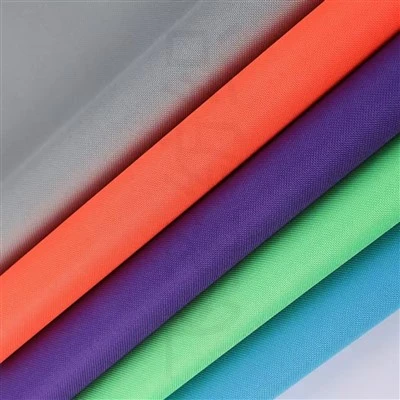

As a supplier of Coated Oxford Fabric, I often receive inquiries about the weight per square meter of this versatile material. Understanding the weight of Coated Oxford Fabric is crucial for various applications, from outdoor equipment to fashion accessories. In this blog post, I will delve into the factors that influence the weight of Coated Oxford Fabric, the typical weight ranges, and how it impacts the performance and suitability of the fabric for different uses.
What is Coated Oxford Fabric?
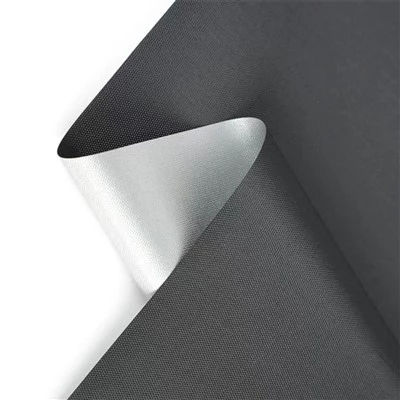
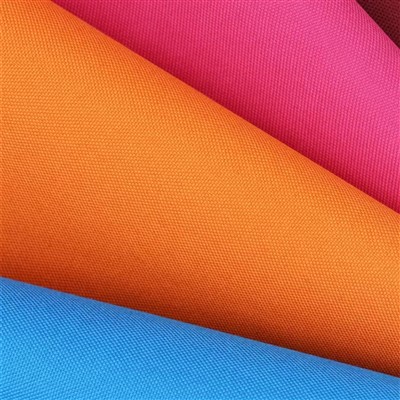
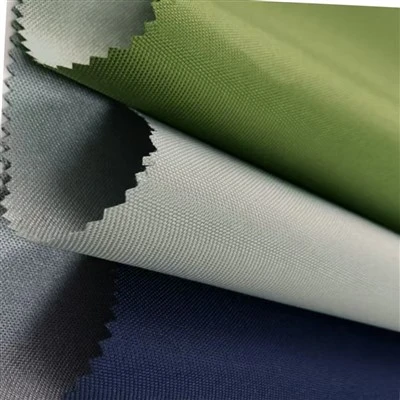
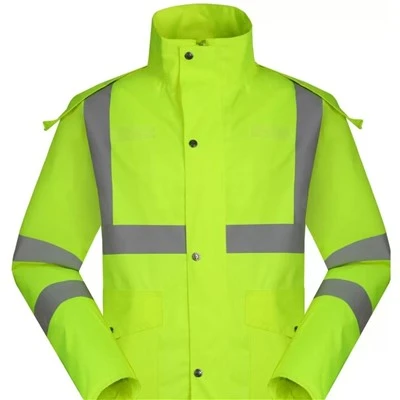
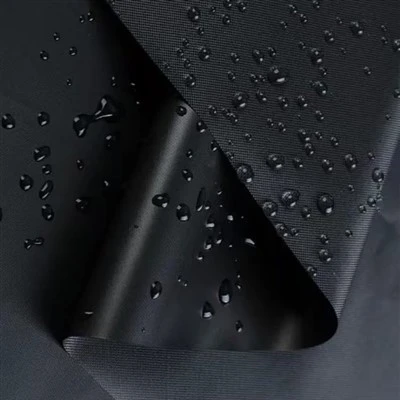
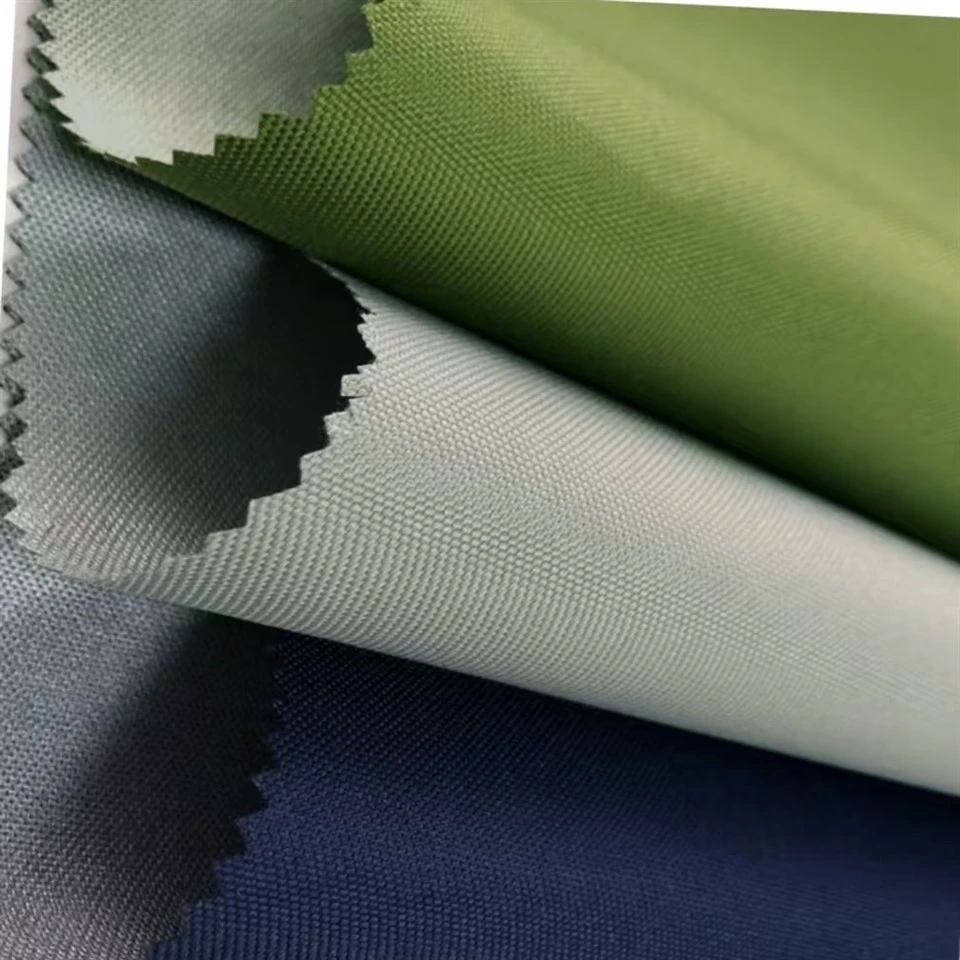
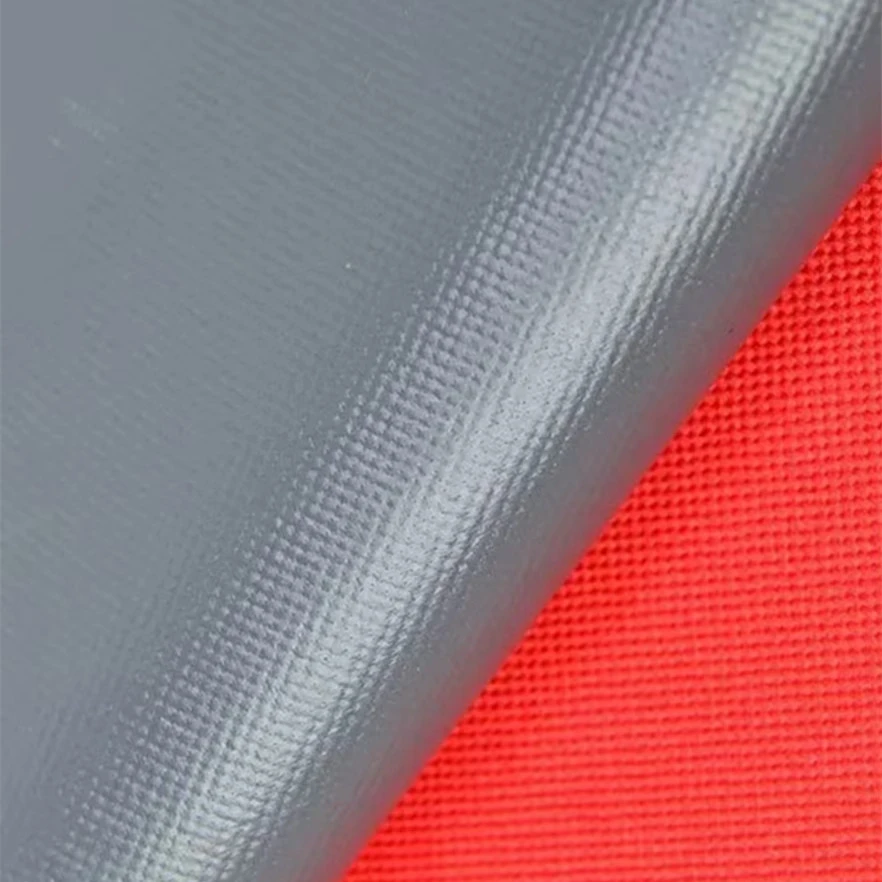
Coated Oxford Fabric is a type of woven fabric that is made from polyester or nylon fibers. The fabric is known for its durability, water resistance, and abrasion resistance. It is commonly used in a wide range of applications, including outdoor furniture, tents, backpacks, and luggage. The coating on the fabric can be made from various materials, such as PVC, PU, or wax, which enhances the fabric's performance and functionality. You can learn more about Coated Oxford Fabric on our website.
Factors Affecting the Weight of Coated Oxford Fabric
The weight of Coated Oxford Fabric per square meter is influenced by several factors, including the type of fibers used, the weave structure, the thickness of the coating, and the density of the fabric. Let's take a closer look at each of these factors:
- Fiber Type: The type of fibers used in the fabric can significantly affect its weight. Polyester fibers are generally lighter than nylon fibers, so a Coated Oxford Fabric made from polyester will typically weigh less than one made from nylon. However, nylon fibers are stronger and more abrasion-resistant than polyester fibers, so they are often used in applications where durability is a key requirement.
- Weave Structure: The weave structure of the fabric also plays a role in determining its weight. A tighter weave will result in a heavier fabric, as there are more fibers per square inch. On the other hand, a looser weave will result in a lighter fabric. The most common weave structures for Coated Oxford Fabric are the plain weave and the twill weave. The plain weave is a simple, basic weave that is easy to produce and results in a relatively lightweight fabric. The twill weave, on the other hand, is a more complex weave that produces a stronger, more durable fabric, but it is also heavier.
- Coating Thickness: The thickness of the coating on the fabric is another important factor that affects its weight. A thicker coating will add more weight to the fabric, but it will also provide better water resistance and durability. The type of coating used can also affect the weight of the fabric. For example, a PVC coating is generally heavier than a PU coating.
- Fabric Density: The density of the fabric, which is measured in grams per square meter (gsm), is a direct measure of its weight. A higher density fabric will weigh more than a lower density fabric. The density of Coated Oxford Fabric can vary widely depending on the specific application and requirements.
Typical Weight Ranges of Coated Oxford Fabric
The weight of Coated Oxford Fabric per square meter can vary widely depending on the factors mentioned above. However, there are some typical weight ranges that are commonly used in the industry. Here are some examples:
- Lightweight Coated Oxford Fabric: This type of fabric typically weighs between 150 and 250 gsm. It is often used in applications where weight is a critical factor, such as backpacks, tents, and outdoor clothing. Lightweight Coated Oxford Fabric is also more flexible and breathable than heavier fabrics, making it comfortable to wear.
- Medium Weight Coated Oxford Fabric: This type of fabric typically weighs between 250 and 400 gsm. It is a popular choice for a wide range of applications, including outdoor furniture, luggage, and automotive interiors. Medium weight Coated Oxford Fabric offers a good balance between durability and weight, making it suitable for both indoor and outdoor use.
- Heavyweight Coated Oxford Fabric: This type of fabric typically weighs between 400 and 800 gsm. It is often used in applications where strength and durability are the primary concerns, such as heavy-duty tents, industrial covers, and marine applications. Heavyweight Coated Oxford Fabric is also more resistant to abrasion and tearing than lighter fabrics, making it ideal for harsh environments.
Impact of Weight on Performance and Suitability
The weight of Coated Oxford Fabric can have a significant impact on its performance and suitability for different applications. Here are some key considerations:
- Strength and Durability: Generally, a heavier fabric will be stronger and more durable than a lighter fabric. This is because a heavier fabric has more fibers per square inch, which provides greater resistance to tearing and abrasion. If you need a fabric that can withstand heavy use and harsh conditions, a heavier Coated Oxford Fabric may be the best choice.
- Water Resistance: The weight of the fabric can also affect its water resistance. A heavier fabric with a thicker coating will generally provide better water resistance than a lighter fabric. However, it is important to note that the type of coating used is also a critical factor in determining the water resistance of the fabric.
- Flexibility and Comfort: A lighter fabric is generally more flexible and comfortable to wear than a heavier fabric. This is because a lighter fabric has less bulk and is more breathable. If you need a fabric for clothing or other applications where comfort is a key consideration, a lighter Coated Oxford Fabric may be the better choice.
- Cost: The weight of the fabric can also affect its cost. Generally, a heavier fabric will be more expensive than a lighter fabric. This is because a heavier fabric requires more materials and more processing to produce. If you are on a budget, a lighter Coated Oxford Fabric may be a more cost-effective option.
Conclusion
In conclusion, the weight of Coated Oxford Fabric per square meter is an important factor to consider when choosing the right fabric for your application. The weight of the fabric is influenced by several factors, including the type of fibers used, the weave structure, the thickness of the coating, and the density of the fabric. The typical weight ranges of Coated Oxford Fabric can vary widely, from lightweight fabrics that are suitable for backpacks and outdoor clothing to heavyweight fabrics that are used in industrial and marine applications. The weight of the fabric can also have a significant impact on its performance and suitability for different applications, including strength, durability, water resistance, flexibility, comfort, and cost.
If you are interested in purchasing Coated Oxford Fabric, we invite you to contact us for more information. Our team of experts can help you choose the right fabric for your specific needs and provide you with a competitive quote. We offer a wide range of Coated Oxford Fabric products, including PVC Coated Oxford Fabric and Heavy Duty Oxford Cloth. We look forward to working with you!
References
- Textile Institute. (2023). Textile Terms and Definitions.
- ASTM International. (2023). Standard Test Methods for Measuring Mass Per Unit Area of Textile Fabrics.