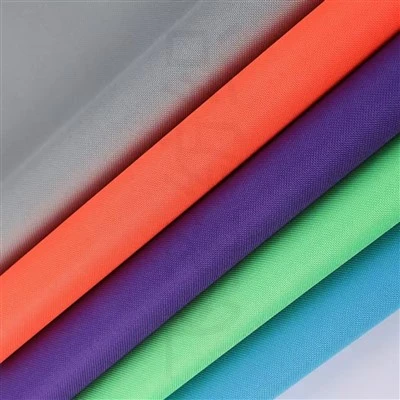

Hey there! I'm a supplier of Textile Fluorescent, and I've got a passion for all things fluorescent in the textile world. Today, I'm gonna share with you how you can make textile fluorescent materials right at home. It's a fun and creative project that can add a unique touch to your fabrics.
Understanding Fluorescent Materials
First off, let's talk a bit about what fluorescent materials are. Fluorescent substances absorb light at one wavelength and then re - emit it at a longer wavelength, which gives them that bright, eye - catching glow. In textiles, fluorescent materials can be used to create all sorts of cool effects, from making your clothes stand out at a party to adding a fun element to home decor.
What You'll Need
Before you start, gather the following materials:
- Fabric: You can use any type of fabric you like, but natural fibers like cotton or silk tend to work well. Make sure the fabric is clean and free of any dirt or stains.
- Fluorescent Dyes: You can find these at craft stores or online. There are different types of fluorescent dyes available, so choose one that's suitable for the fabric you're using.
- A Container: A large plastic or glass container will work. Make sure it's big enough to hold the fabric and the dye solution.
- Stirring Utensil: A wooden spoon or a plastic stirrer will do the job.
- Gloves: To protect your hands from the dye.
- Salt (Optional): If you're using a fiber - reactive dye, adding a little salt can help the dye bond better to the fabric.
Step - by - Step Process
Step 1: Prepare the Dye Solution
Start by following the instructions on the dye package to prepare the dye solution. Usually, you'll need to mix the dye with hot water in the container. If you're using a fiber - reactive dye, you might also need to add some soda ash to the solution. Stir the solution well until the dye is completely dissolved.
Step 2: Pre - treat the Fabric
If you're using a natural fiber fabric, you can pre - treat it to help the dye absorb better. You can soak the fabric in a solution of water and a little bit of vinegar for about 30 minutes. Then, rinse the fabric thoroughly and let it dry.
Step 3: Dye the Fabric
Put on your gloves and carefully place the fabric into the dye solution. Make sure the fabric is fully submerged. Use the stirring utensil to move the fabric around in the solution to ensure even dyeing. If you want a more intense color, you can leave the fabric in the solution for a longer time.
Step 4: Rinse and Wash the Fabric
Once you're satisfied with the color, remove the fabric from the dye solution. Rinse it under cold water until the water runs clear. Then, wash the fabric in the washing machine on a gentle cycle with a mild detergent. This will help remove any excess dye.
Step 5: Dry the Fabric
After washing, hang the fabric to dry. Avoid using a dryer, as the high heat can damage the fluorescent properties of the fabric.
Tips and Tricks
- Experiment with Colors: You can mix different fluorescent dyes to create your own unique colors. Just make sure to follow the dye mixing instructions carefully.
- Use a Masking Tape: If you want to create a pattern on the fabric, you can use masking tape to cover parts of the fabric before dyeing. Then, remove the tape after the dyeing process to reveal the pattern.
- Test on a Small Piece: Before dyeing a large piece of fabric, it's a good idea to test the dye on a small scrap of the same fabric. This will help you see how the color turns out and make any necessary adjustments.
Another Option: Using Fluorescent Pigments
If you don't want to use dyes, you can also make textile fluorescent materials using fluorescent pigments. Here's how:
- Materials: You'll need fluorescent pigments, a fabric medium, a paintbrush, and of course, your fabric.
- Mixing: Mix the fluorescent pigments with the fabric medium according to the instructions on the medium package. The fabric medium helps the pigments adhere to the fabric.
- Painting: Use the paintbrush to apply the pigment - medium mixture to the fabric. You can create different designs and patterns. Let the fabric dry completely.
- Heat - Setting: To make the pigment more permanent, you can heat - set the fabric. You can do this by ironing the fabric on a low - heat setting for a few minutes.
Safety Precautions
- Ventilation: Make sure you work in a well - ventilated area when using dyes or pigments. Some dyes and pigments can release fumes that are harmful if inhaled.
- Eye Protection: Wear goggles to protect your eyes from any splashes of dye or pigment.
- Keep Away from Children and Pets: The dyes and pigments can be toxic, so keep them out of reach of children and pets.
Applications of Home - Made Textile Fluorescent Materials
- Clothing: You can use your fluorescent fabric to make unique t - shirts, skirts, or even accessories like scarves.
- Home Decor: Create fluorescent throw pillows, curtains, or tablecloths to add a fun and modern touch to your home.
- Costumes: For parties or Halloween, fluorescent fabrics can make your costumes really stand out.
Why Choose Our Textile Fluorescent Products
If you're not up for making your own fluorescent materials at home, or if you want high - quality, ready - to - use products, we've got you covered. Our Textile Fluorescent materials are made with the latest technology and the best quality dyes and pigments. We offer a wide range of colors and patterns, so you're sure to find something that suits your needs.
We also have Fluro Fabric which is perfect for all sorts of applications. Whether you're a fashion designer, a DIY enthusiast, or a business owner looking for fluorescent textiles for your products, we can provide you with the right materials.
If you're interested in purchasing our products, we'd love to have a chat with you. We can discuss your specific requirements, answer any questions you might have, and help you find the perfect fluorescent materials for your project. So, don't hesitate to reach out and start a conversation about your procurement needs.
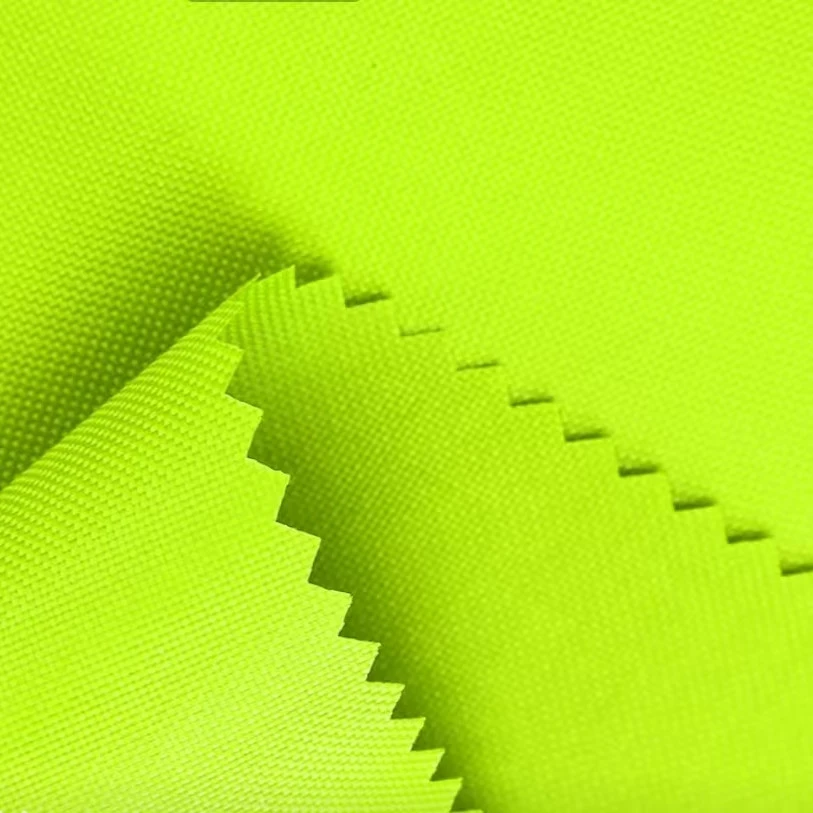
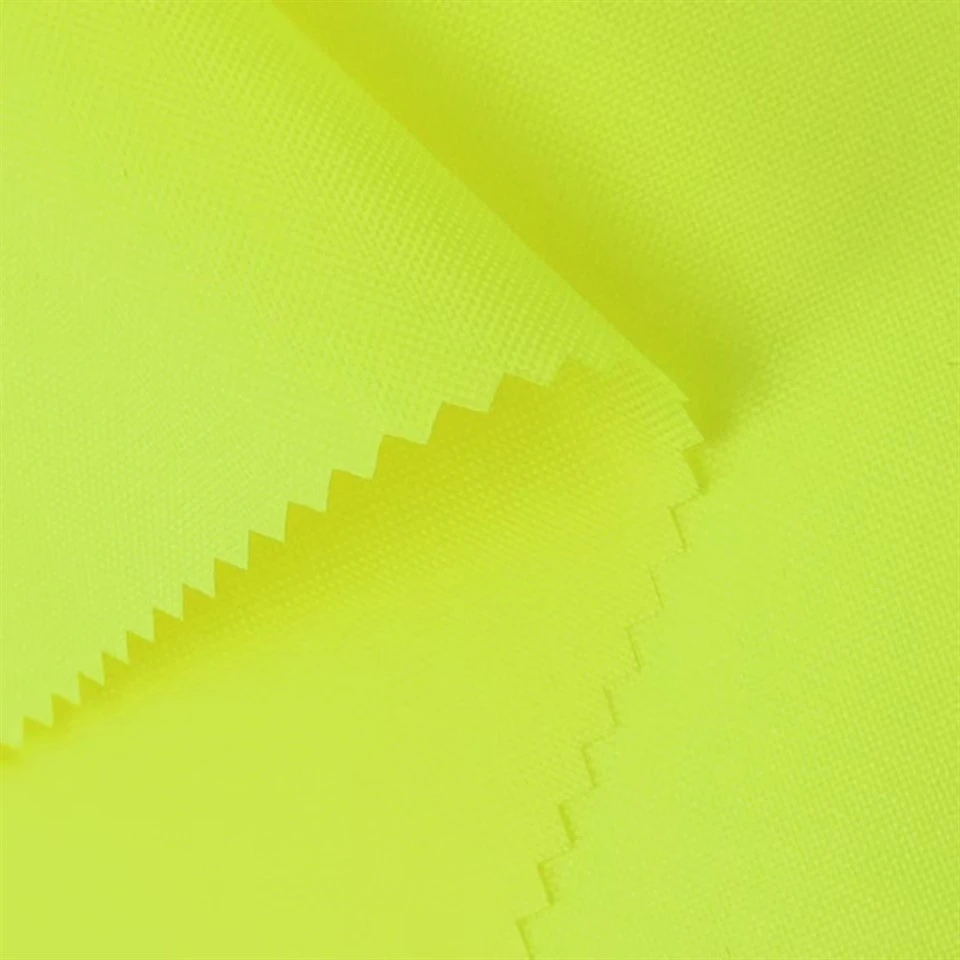
References
- "Textile Dyeing and Printing" by M. Lewis
- "Fluorescent Materials: Science and Applications" by R. Williams
So, there you have it! Making textile fluorescent materials at home is a fun and rewarding project. Whether you choose to make your own or buy from us, you can add a touch of fluorescence to your world.