
Hey there! As an Oxford cloth supplier, I often get asked about the differences between Oxford cloth and wool. It's a question that comes up a lot, and it's not surprising considering both materials have their own unique characteristics and uses. So, let's dive right in and explore what sets these two fabrics apart.
Composition and Manufacturing
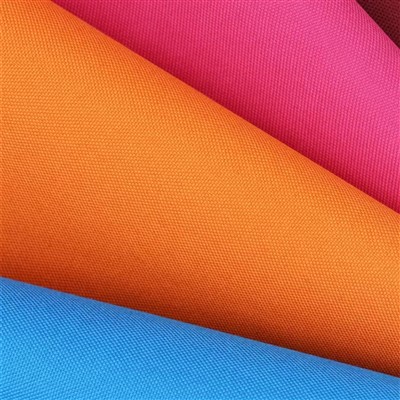
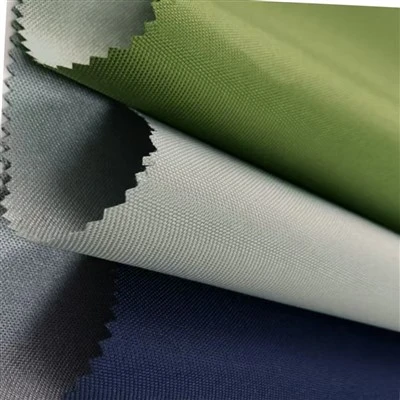
First off, let's talk about what these fabrics are made of. Oxford cloth is typically a plain-woven fabric that's usually made from cotton, though it can also be blended with synthetic fibers like polyester. The weaving process creates a distinctive basket-like pattern, which gives Oxford cloth its signature look. It's a relatively simple and straightforward manufacturing process, which makes it cost - effective to produce.
On the other hand, wool comes from the fleece of sheep or other animals like goats (in the case of mohair or cashmere). The process of turning raw wool into fabric is more complex. It involves shearing the animal, cleaning the wool to remove dirt and grease, carding to align the fibers, spinning the fibers into yarn, and then weaving or knitting the yarn into fabric. This multi - step process makes wool generally more expensive to produce.
Appearance and Texture
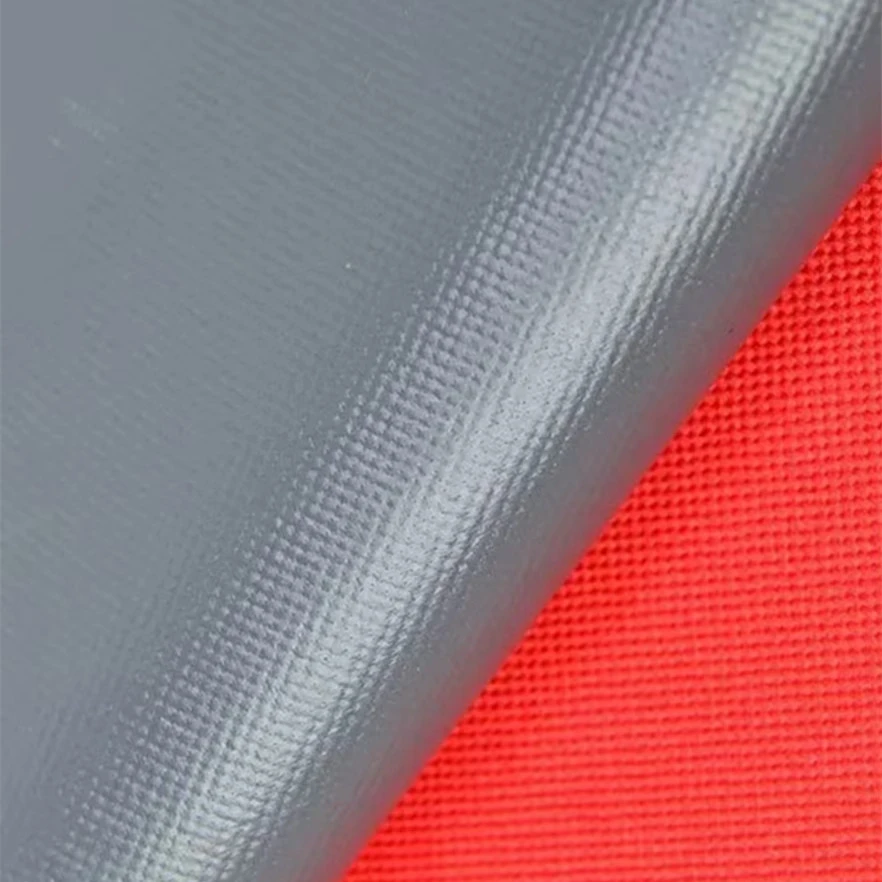
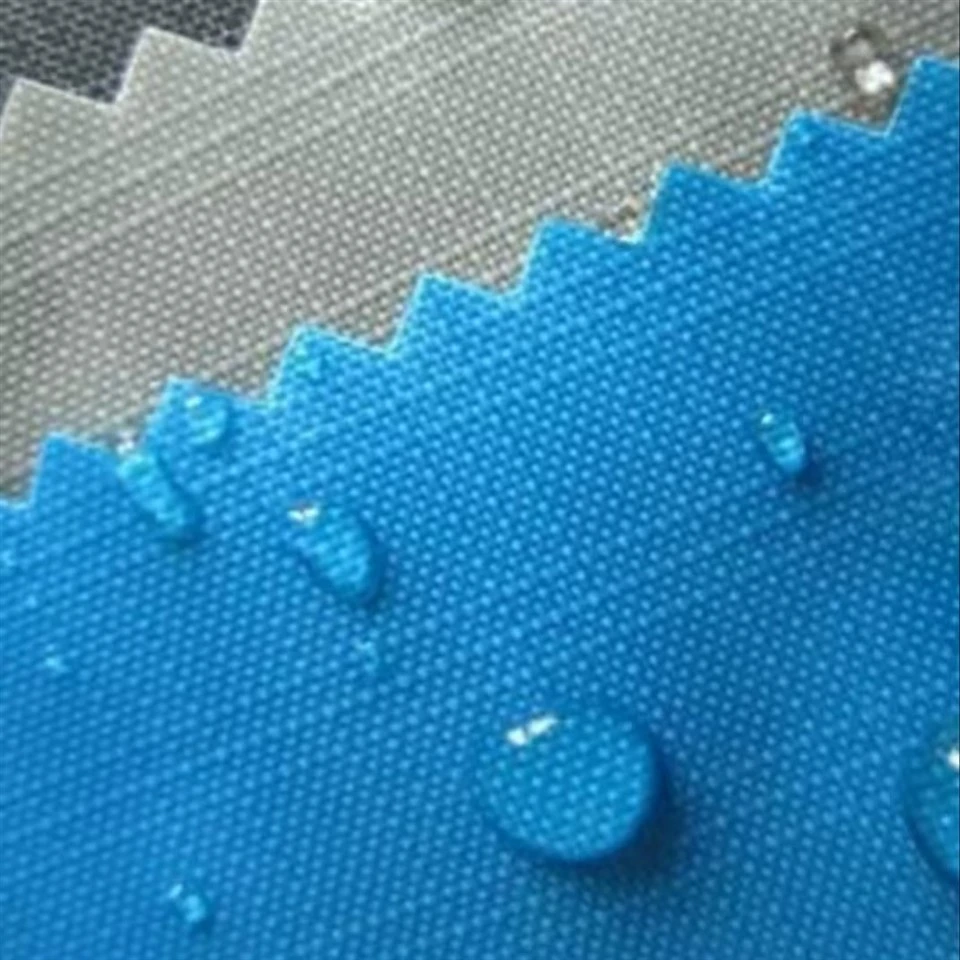
In terms of appearance, Oxford cloth has a smooth and somewhat casual look. It has that classic basket - weave pattern that gives it a laid - back, preppy vibe. The texture is relatively soft and smooth to the touch, but it still has a bit of a firmness to it. It's great for everyday wear, like shirts and casual jackets.
Wool, on the other hand, can have a wide range of appearances and textures. Fine wools, like merino, can be very soft and have a luxurious, silky feel. Coarser wools have a more rugged, textured look and feel. Wool fabrics can also have a natural sheen or a matte finish, depending on the type of wool and the finishing process. They're often used for more formal or high - end clothing, like suits and overcoats.
Durability and Strength
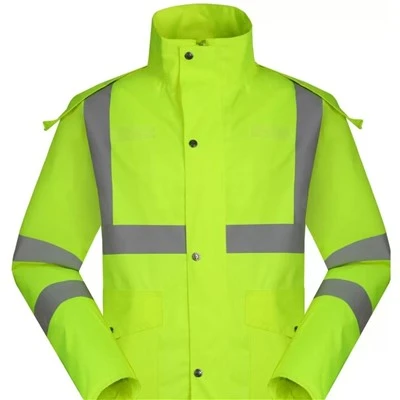
When it comes to durability, both Oxford cloth and wool have their strengths. Oxford cloth is known for its durability. The tight weave makes it resistant to tearing and abrasion. It can withstand a lot of wear and tear, which is why it's commonly used in workwear, backpacks, and outdoor gear.
Wool is also a very durable material. It has natural elasticity, which means it can stretch and then return to its original shape. This makes it resistant to wrinkles and creases. Wool fibers are also strong and can withstand repeated use. However, wool is more prone to damage from moths and other insects, so it needs to be stored properly.
Breathability and Comfort
Breathability is an important factor, especially when it comes to clothing. Oxford cloth is quite breathable, especially when it's made from cotton. Cotton allows air to circulate through the fabric, which helps keep you cool and comfortable. It's a great choice for warm weather clothing.
Wool is also breathable, but in a different way. Wool fibers have tiny pores that allow moisture to pass through, which helps regulate body temperature. In cold weather, wool can keep you warm by trapping air between the fibers. In warm weather, it can wick away moisture and keep you dry. However, some people find that wool can be itchy, especially if it's a coarser variety.
Water Resistance
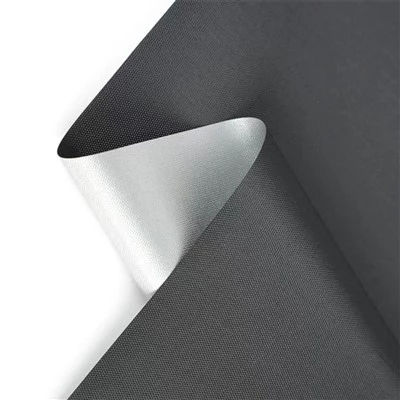
Water resistance is another area where these two fabrics differ. Oxford cloth can be made water - resistant through various treatments. For example, Coated Oxford Fabric is a type of Oxford cloth that has a special coating to make it more water - resistant. PVC Coated Oxford Fabric is even more water - resistant and is often used for outdoor applications like tents and tarps. Oxford Material Waterproof is specifically designed to be waterproof.
Wool has some natural water - repellent properties. The lanolin in wool helps to repel water, but it's not completely waterproof. In heavy rain, wool will eventually get wet. However, it can still keep you warm even when it's damp.
Cost
Cost is always a consideration when choosing a fabric. Oxford cloth is generally more affordable than wool. The relatively simple manufacturing process and the use of common materials like cotton make it a cost - effective option. It's a great choice for budget - friendly clothing and products.
Wool, on the other hand, can be quite expensive, especially high - quality varieties like merino or cashmere. The cost of raising animals, shearing the wool, and the complex manufacturing process all contribute to the higher price tag.
Uses
Oxford cloth has a wide range of uses. It's commonly used in clothing, such as shirts, polo shirts, and casual jackets. It's also popular for bags, backpacks, and outdoor gear. Its durability and affordability make it a great choice for everyday items.
Wool is often used in more formal and high - end clothing. Suits, overcoats, and sweaters are all commonly made from wool. It's also used in home textiles like blankets and carpets because of its warmth and durability.
Conclusion
So, there you have it! The main differences between Oxford cloth and wool. Each fabric has its own unique properties, advantages, and disadvantages. If you're looking for a cost - effective, breathable, and durable fabric for everyday use, Oxford cloth is a great choice. If you're in the market for something more luxurious, warm, and suitable for formal wear, wool might be the way to go.
As an Oxford cloth supplier, I'm here to provide you with high - quality Oxford cloth for all your needs. Whether you're a clothing manufacturer, a bag maker, or someone looking for materials for a DIY project, I can offer you a wide range of options. If you're interested in purchasing Oxford cloth, feel free to reach out and we can discuss your requirements and start a great business relationship.
References
- Textile Institute. "Textile Terms and Definitions."
- "The Encyclopedia of Fabrics" by Judith Miller.