
Reflective fabric has gained significant popularity in various industries due to its unique properties and wide range of applications. As a supplier of reflective fabric, I often receive inquiries about different aspects of this material, and one question that frequently comes up is, "What is the water - absorption rate of reflective fabric?" In this blog, we will explore this topic in detail to provide you with a comprehensive understanding.
Understanding Reflective Fabric
Before delving into the water - absorption rate, it's essential to have a basic understanding of reflective fabric. Reflective fabric is a type of material that contains tiny glass beads or reflective particles. These elements are designed to reflect light back towards its source, making the fabric highly visible in low - light conditions. This property has made it a staple in safety clothing, outdoor gear, and even some decorative applications.
There are different types of reflective fabric available in the market. For instance, Sun Reflective Fabric for Windows is specifically designed to block sunlight and reduce heat transfer in buildings. Reflective Safety Fabric is commonly used in high - visibility clothing for workers in construction, road maintenance, and other safety - critical industries. And Reflective Waterproof Fabric combines the reflective property with water - resistance, which is ideal for outdoor activities in wet conditions.
Factors Affecting the Water - Absorption Rate of Reflective Fabric
The water - absorption rate of reflective fabric can be influenced by several factors.

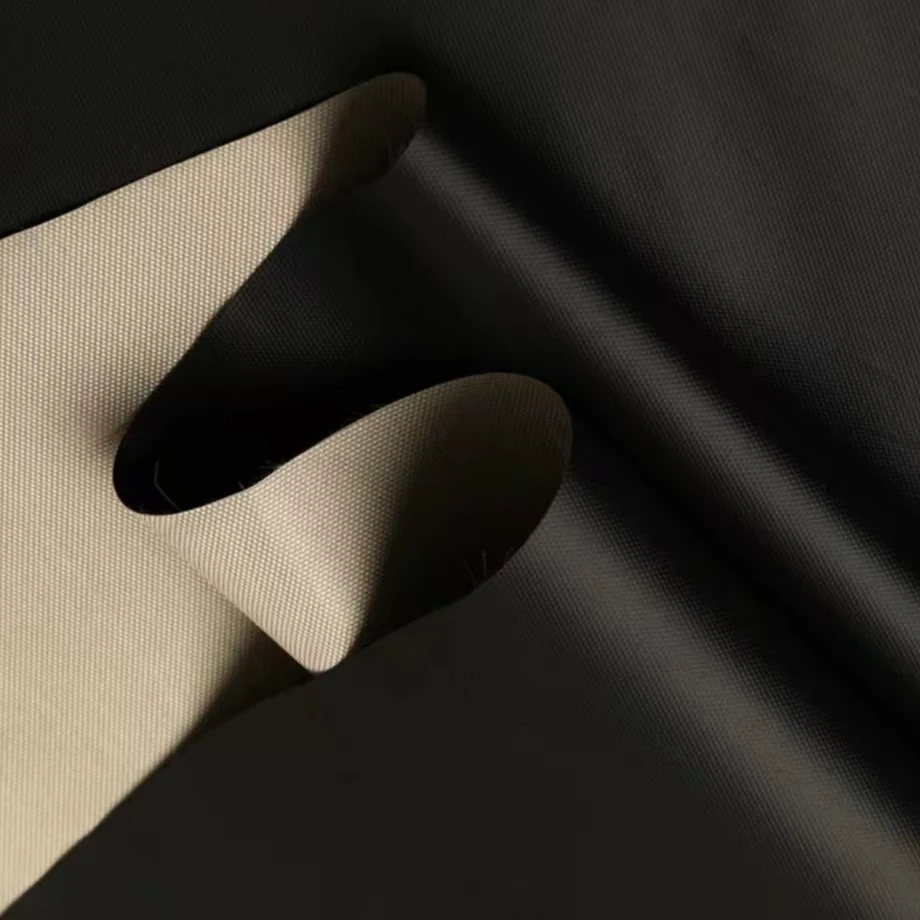
- Base Material: The base fabric on which the reflective elements are applied plays a crucial role. Different base materials have different inherent water - absorption properties. For example, fabrics made from natural fibers like cotton tend to absorb more water compared to synthetic fibers such as polyester. Polyester is known for its relatively low water - absorption rate, which makes it a popular choice for many types of reflective fabric, especially those used in outdoor applications where moisture resistance is important.
- Coating and Treatment: Many reflective fabrics are coated or treated to enhance their performance. These coatings can have a significant impact on the water - absorption rate. A waterproof coating, for instance, can reduce the fabric's ability to absorb water. Some advanced coatings create a barrier on the fabric surface, preventing water from penetrating while still maintaining the reflective properties.
- Reflective Element Type: The type of reflective elements used also affects water absorption. Glass beads, for example, are generally non - absorbent. However, the way they are adhered to the fabric can influence how water interacts with the overall material. If the adhesive used to attach the glass beads is porous, it may allow water to seep through, increasing the water - absorption rate.
Measuring the Water - Absorption Rate
To measure the water - absorption rate of reflective fabric, a standard test method is typically used. One common method is the ASTM D570 standard test method for water absorption of plastics. Although reflective fabric is not a plastic, a similar principle can be applied.
The test involves cutting a sample of the reflective fabric to a specific size and weighing it. The sample is then immersed in water for a set period, usually 24 hours. After the immersion, the sample is removed from the water, surface water is blotted off, and the sample is weighed again. The difference in weight before and after immersion is used to calculate the water - absorption rate.
The water - absorption rate is usually expressed as a percentage. For example, if a 10 - gram sample of reflective fabric gains 1 gram of water after immersion, the water - absorption rate is 10% (1 gram / 10 grams * 100).
Typical Water - Absorption Rates of Different Reflective Fabrics
The water - absorption rate can vary widely depending on the type of reflective fabric.
- Sun Reflective Fabric for Windows: This type of fabric is often made from synthetic materials with a low water - absorption rate. In most cases, the water - absorption rate is less than 5%. This low rate is important because it ensures that the fabric does not retain moisture, which could lead to mold growth or damage to the window treatment.
- Reflective Safety Fabric: Reflective safety fabric is commonly used in work environments where it may be exposed to various weather conditions. Fabrics used in safety vests and uniforms often have a water - absorption rate in the range of 5% - 15%. This range allows for some breathability while still providing a reasonable level of moisture resistance.
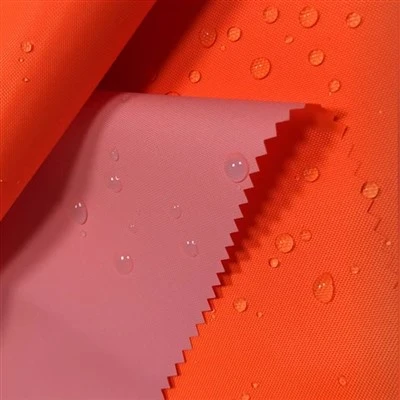
- Reflective Waterproof Fabric: As the name suggests, this fabric is designed to be waterproof. It typically has a water - absorption rate of less than 1%. The waterproof coating on this fabric effectively prevents water from penetrating, making it suitable for outdoor activities in rain or wet snow.
Importance of Water - Absorption Rate in Different Applications
The water - absorption rate of reflective fabric is an important consideration in different applications.
- Safety Applications: In safety clothing, a low water - absorption rate is crucial. If the fabric absorbs too much water, it can become heavy and uncomfortable for the wearer. Additionally, wet fabric may not provide the same level of insulation, which can be a problem in cold weather. A low water - absorption rate also helps to maintain the fabric's reflective properties, as water on the surface can reduce the reflectivity.
- Outdoor Gear: For outdoor gear such as tents, backpacks, and raincoats, a low water - absorption rate is essential. Water - absorbing fabric can make the gear heavy and slow to dry, which can be a major inconvenience during outdoor activities. Reflective waterproof fabric is particularly useful in these applications as it provides both visibility and protection from the elements.
- Indoor Applications: In indoor applications like sun reflective fabric for windows, a low water - absorption rate helps to prevent damage to the fabric and the surrounding window area. Moisture can cause the fabric to warp or discolor, and it may also lead to the growth of mold and mildew.
Maintaining the Water - Absorption Properties of Reflective Fabric
To ensure that the reflective fabric maintains its desired water - absorption properties, proper care is necessary.
- Cleaning: Follow the manufacturer's cleaning instructions carefully. Using the wrong cleaning agents or methods can damage the coating or treatment on the fabric, which may increase the water - absorption rate. For example, harsh detergents can break down the waterproof coating on reflective waterproof fabric.
- Storage: Store the fabric in a dry place. Exposure to high humidity or moisture during storage can cause the fabric to absorb water and potentially damage its properties.
Conclusion
The water - absorption rate of reflective fabric is an important characteristic that varies depending on the base material, coating, and type of reflective elements. Understanding this rate is crucial for choosing the right reflective fabric for different applications, whether it's for safety, outdoor, or indoor use. As a reflective fabric supplier, we are committed to providing high - quality products with optimal water - absorption properties.
If you are interested in purchasing reflective fabric for your specific needs, we would be more than happy to discuss your requirements. Contact us to start a procurement discussion and find the perfect reflective fabric solution for you.
References
- ASTM D570 Standard Test Method for Water Absorption of Plastics
- Industry research reports on reflective fabric properties