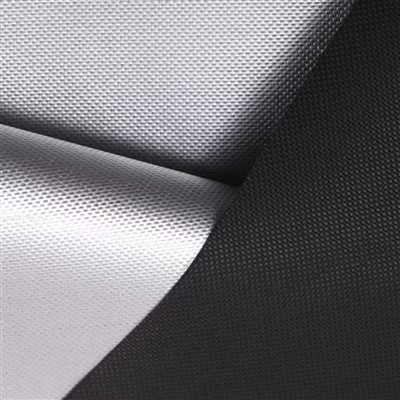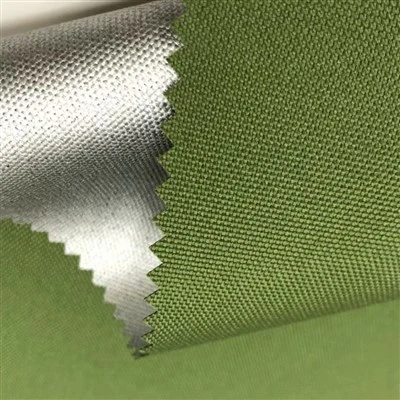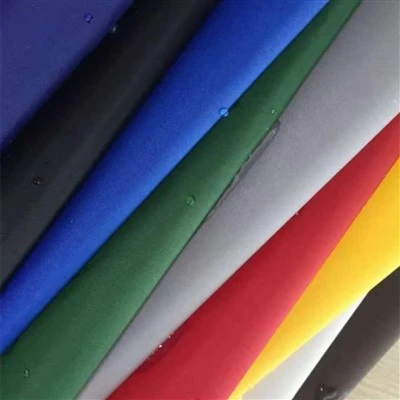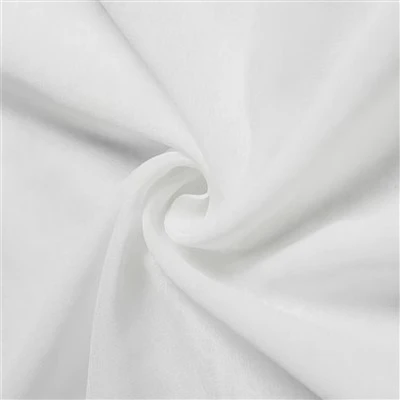
The density of antistatic cloth typically ranges from 150-300 g/m², with the specific value depending on the material and application. For example, antistatic cloth used for packaging electronic components has a higher density (approximately 200-300 g/m²), while antistatic cloth used for general cleaning has a lower density (approximately 150-200 g/m²). Higher density generally results in better durability and antistatic performance.
How Density Affects Antistatic Effectiveness
Conductivity: Higher-density cloths typically contain more conductive fibers, which more effectively disperse static charge.
Durability: High-density cloths are more wear-resistant and suitable for long-term use, while low-density cloths are more suitable for disposable or short-term applications.
Breathability: Lower-density cloths are more breathable and suitable for environments requiring ventilation.
How to Choose the Right Antistatic Cloth
When choosing antistatic cloth, consider the application scenario and requirements:
Electronics Manufacturing: Prioritize high-density cloths to ensure the safety of static-sensitive components.
Daily Cleaning: Medium-density cloths are sufficient, balancing effectiveness and cost.
Special environments: such as cleanrooms, require the selection of low-dust, high-density antistatic cloth.