
Hey there! As a supplier of Antistatic ESD Fabrics, I often get asked if these fabrics have high abrasion resistance. It's a great question, and one that I'm more than happy to dive into. So, let's get right into it.
First off, let's talk a bit about what antistatic ESD fabrics are. These fabrics are designed to prevent the build - up of static electricity, which can be a real pain in a lot of industries. Whether it's in electronics manufacturing, where a static discharge can fry sensitive components, or in explosive environments, like chemical plants, where a static spark can trigger a dangerous explosion. You can learn more about Antistatic ESD Fabrics on our website.
Now, onto the main question—abrasion resistance. Abrasion resistance is how well a fabric can withstand the wear and tear caused by rubbing, scraping, or friction. In many industrial settings, fabrics are going to face a lot of rough treatment. Workers might be moving around in tight spaces, handling equipment, or just going about their daily tasks. So, a fabric that can't hold up to abrasion isn't going to last very long, and that's a problem.
The good news is that many antistatic ESD fabrics do have a pretty high level of abrasion resistance. A lot of these fabrics are made with high - quality fibers and advanced weaving techniques. For example, some are woven with a blend of synthetic fibers like polyester and nylon. Polyester is known for its durability and resistance to stretching and shrinking, while nylon is tough as nails and has excellent abrasion - resistant properties. When you combine these two in the right proportions, you end up with a fabric that can take a beating.
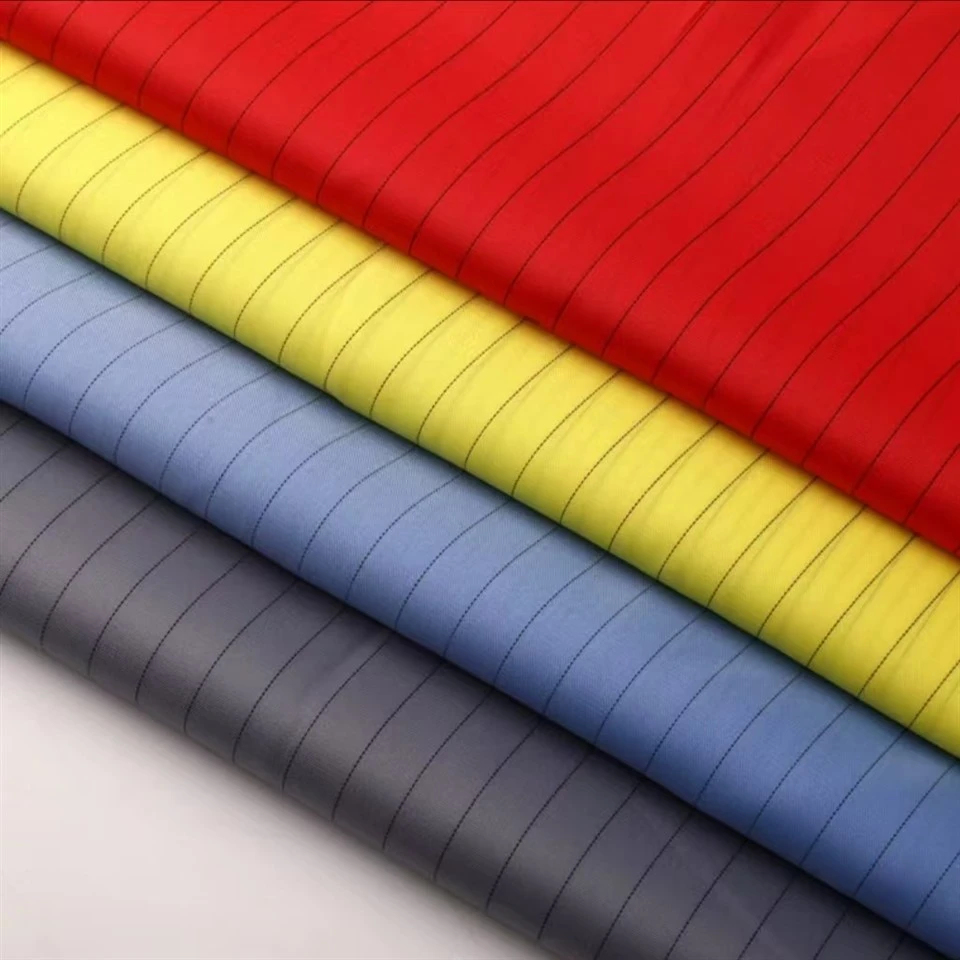
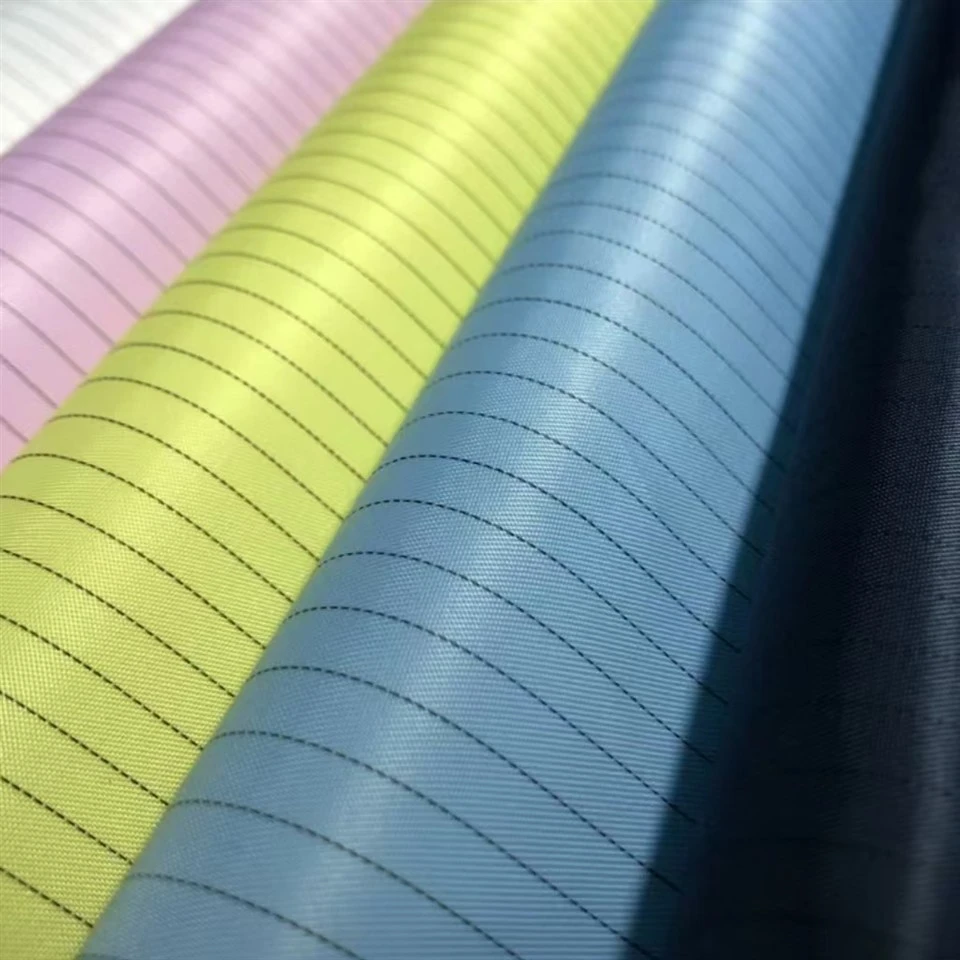
Take, for instance, the Anti Static Lining Fabric. This type of fabric is often used as an inner layer in clothing or other protective gear. It's in constant contact with the wearer's skin and other materials, so it needs to be able to handle the friction. Our anti - static lining fabric is engineered to be both soft against the skin and highly resistant to abrasion. It can withstand repeated washing and wearing without losing its antistatic properties or showing signs of excessive wear.
Another factor that contributes to the abrasion resistance of antistatic ESD fabrics is the finishing treatment. Some fabrics go through a special coating or treatment process that adds an extra layer of protection. This treatment can make the fabric more slippery, reducing the amount of friction when it comes into contact with other objects. It can also make the surface of the fabric more resistant to scratches and tears.
But it's not all sunshine and rainbows. Not all antistatic ESD fabrics are created equal when it comes to abrasion resistance. There are some lower - quality options out there that might claim to be antistatic but don't offer much in terms of durability. That's why it's so important to choose a reputable supplier, like us. We've spent years perfecting our manufacturing processes to ensure that our ESD Safe Fabric not only meets the highest standards for static protection but also has excellent abrasion resistance.
When you're evaluating the abrasion resistance of a fabric, there are a few things you can look for. One is the fabric's construction. A tightly woven fabric is generally going to be more abrasion - resistant than a loosely woven one. You can also check the fiber content. As I mentioned earlier, fabrics with synthetic fibers like polyester and nylon are usually a good bet.
Another way to test abrasion resistance is to look at the fabric's performance in real - world scenarios. We've conducted a lot of on - site tests with our Static Resistant Fabric in different industries. In one case, we supplied our fabric to an electronics manufacturing plant. The workers were using the fabric as part of their protective clothing, and after months of use, the fabric showed only minimal signs of wear. This was a great indication that our fabric could stand up to the rigors of a busy industrial environment.
In the world of protective clothing, abrasion resistance is just as important as antistatic properties. If a fabric can't hold up over time, it won't be able to provide the protection that workers need. That's where our Anti Static Clothing Material comes in. We use only the best materials and manufacturing techniques to ensure that our clothing material is both antistatic and highly resistant to abrasion.
So, to sum it up, many antistatic ESD fabrics do have a high abrasion resistance, especially when they're made with quality fibers and go through a proper manufacturing and finishing process. But it's crucial to choose the right fabric for your specific needs. If you're in an industry where your fabric is going to face a lot of wear and tear, make sure you opt for a fabric that's known for its durability.
If you're interested in learning more about our antistatic ESD fabrics or are considering a purchase, don't hesitate to reach out. We're here to answer all your questions and help you find the perfect fabric for your application. Whether you're in the electronics industry, the chemical industry, or any other field that requires static protection, we've got you covered.
Let's start a conversation about how our antistatic ESD fabrics can meet your requirements. We look forward to working with you!
References:
- Textile Research Journal - Studies on fabric abrasion resistance and fiber properties
- Industrial Safety and Hygiene News - The importance of abrasion - resistant fabrics in industrial settings