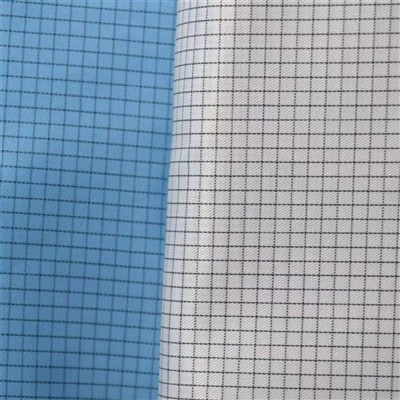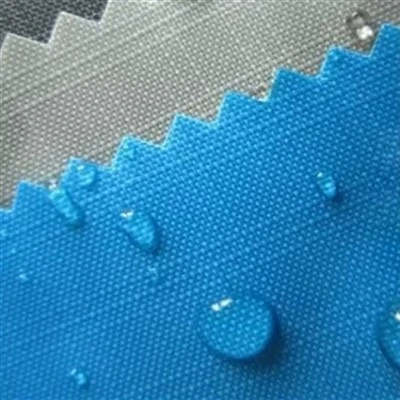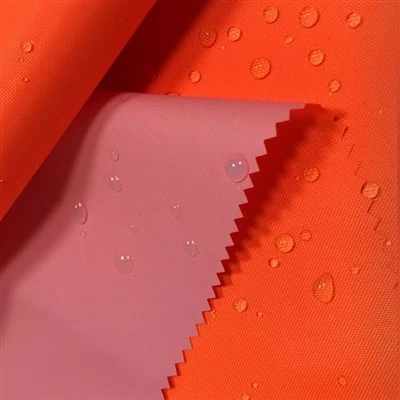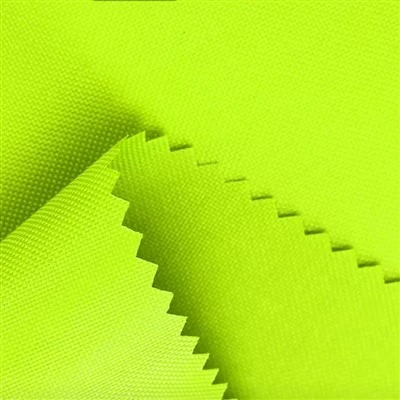

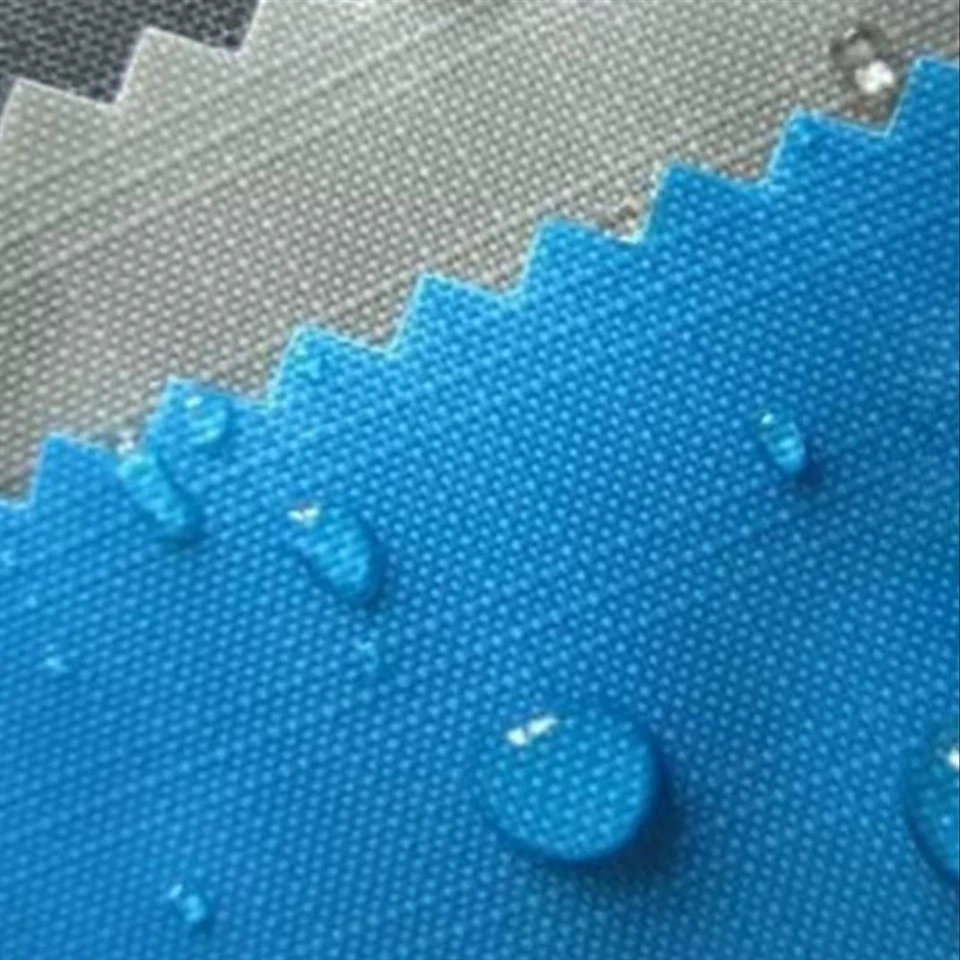
As a supplier of PVC Coated Oxford Fabric, I understand the concerns our customers have about preventing mildew on this versatile material. PVC Coated Oxford Fabric, known for its durability and water - resistance, is widely used in various applications such as tents, tarps, bags, and outdoor furniture covers. However, like any fabric exposed to certain environmental conditions, it can be susceptible to mildew growth. In this blog, I'll share some effective strategies to prevent mildew on PVC Coated Oxford Fabric, ensuring its longevity and maintaining its quality.
Understanding Mildew and Its Growth Conditions
Mildew is a type of fungus that thrives in warm, damp, and dark environments. It appears as a fuzzy or powdery substance, usually in shades of white, gray, or black. When PVC Coated Oxford Fabric is exposed to high humidity levels for extended periods, especially if it is not properly ventilated, mildew can start to grow on its surface. The presence of organic matter, such as dirt or food particles, can also provide a food source for mildew, accelerating its growth.
Proper Storage
One of the most crucial steps in preventing mildew is proper storage. When the fabric is not in use, it should be stored in a clean, dry, and well - ventilated area. Avoid storing it in basements, attics, or other areas that are prone to high humidity and poor air circulation.
If possible, store the PVC Coated Oxford Fabric in a sealed container or a plastic bag with a desiccant. Desiccants are substances that absorb moisture from the air, helping to keep the fabric dry. Silica gel packets, which are commonly found in shoe boxes or electronic product packaging, can be an effective and inexpensive desiccant. Place a few silica gel packets inside the container or bag with the fabric to reduce the humidity level.
Regular Cleaning
Regular cleaning is essential to prevent mildew growth on PVC Coated Oxford Fabric. Dirt, dust, and other organic matter can accumulate on the fabric's surface over time, providing a breeding ground for mildew. To clean the fabric, start by removing any loose debris with a soft brush or a vacuum cleaner.
Next, prepare a mild cleaning solution by mixing a small amount of gentle detergent with warm water. Use a sponge or a soft cloth to apply the cleaning solution to the fabric, gently scrubbing in a circular motion. Avoid using harsh chemicals or abrasive cleaners, as they can damage the PVC coating.
After cleaning, rinse the fabric thoroughly with clean water to remove all traces of the cleaning solution. Make sure to wring out the excess water gently and allow the fabric to dry completely in a well - ventilated area. Do not dry the fabric in direct sunlight for an extended period, as this can cause the PVC coating to fade or crack.
Adequate Ventilation
Proper ventilation is key to preventing mildew on PVC Coated Oxford Fabric, especially when it is in use. For example, if you are using the fabric for a tent, make sure to open the vents and windows to allow fresh air to circulate. This helps to reduce humidity levels inside the tent and prevent the buildup of moisture.
Similarly, if the fabric is used as an outdoor furniture cover, ensure that there is enough space between the cover and the furniture to allow air to flow freely. Avoid covering the furniture tightly, as this can trap moisture and create a favorable environment for mildew growth.
Using Mildew - Resistant Treatments
There are various mildew - resistant treatments available on the market that can be applied to PVC Coated Oxford Fabric. These treatments work by creating a protective barrier on the fabric's surface, preventing mildew from growing.
Before applying a mildew - resistant treatment, make sure the fabric is clean and dry. Follow the manufacturer's instructions carefully when applying the treatment, as different products may have different application methods and drying times. Some treatments can be sprayed directly onto the fabric, while others may require brushing or dipping.
It's important to note that mildew - resistant treatments may need to be reapplied periodically, especially if the fabric is exposed to heavy rain or frequent washing.
Monitoring Environmental Conditions
Keep an eye on the environmental conditions where the PVC Coated Oxford Fabric is used or stored. If you notice that the humidity levels are consistently high, consider using a dehumidifier to reduce the moisture in the air. A dehumidifier works by removing excess moisture from the air, creating a drier environment that is less conducive to mildew growth.
In addition, be aware of any signs of mildew on the fabric, such as a musty smell or the presence of discoloration. If you detect mildew early, you can take immediate action to clean and treat the fabric, preventing the problem from spreading.
Conclusion
Preventing mildew on PVC Coated Oxford Fabric requires a combination of proper storage, regular cleaning, adequate ventilation, and the use of mildew - resistant treatments. By following these strategies, you can ensure that your PVC Coated Oxford Fabric remains in excellent condition for years to come.
At our company, we offer a wide range of high - quality PVC Coated Oxford Fabric products to meet your diverse needs. Our Heavy Duty Oxford Cloth is known for its exceptional strength and durability, while our Oxford Material Waterproof provides reliable protection against the elements. We also have Oxford Cloth 210D and Coated Oxford Fabric options available.
If you're interested in purchasing our PVC Coated Oxford Fabric or have any questions about mildew prevention, please feel free to contact us. We're here to provide you with the best products and solutions for your projects.
References
- "Textile Science and Technology: Fundamentals of Fibers, Yarns, and Fabrics" by John H. Townsend
- "The Handbook of Textile and Apparel Sustainability" by S. Muthu