
Yo, what's up everyone! As a supplier of anti-static fabric, I've been getting a lot of questions lately about how our products perform in high-humidity environments. So, I thought I'd write this blog to give you the lowdown on how anti-static fabric works in those tricky, humid conditions.
First off, let's talk about what anti-static fabric is. Anti-static fabric, also known as Anti Static Textile, is specially designed to prevent the buildup of static electricity. Static electricity is caused by the imbalance of electrical charges on the surface of materials. When two materials rub against each other, electrons can be transferred from one to the other, creating a static charge. This can cause all sorts of problems, like attracting dust and lint, causing shocks, and even interfering with electronic devices.
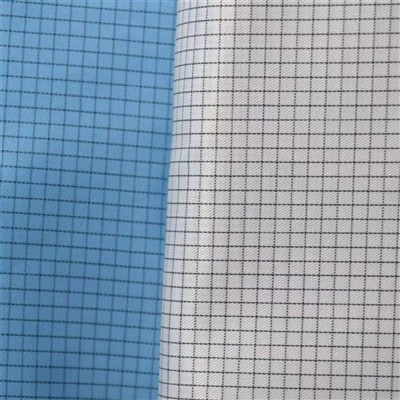
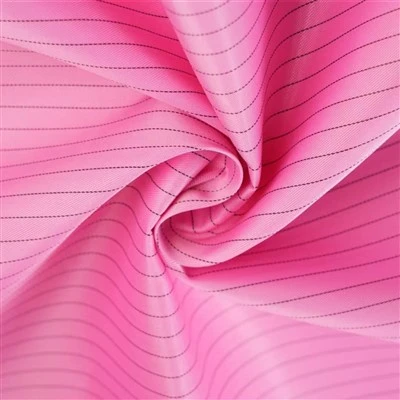
Anti-static fabric works by either conducting the static charge away or by using special additives to reduce the generation of static electricity. Most anti-static fabrics use conductive fibers, like carbon or metal fibers, which are woven into the fabric. These fibers act like a network of tiny wires, allowing the static charge to flow through the fabric and dissipate into the environment.
Now, let's get into how this all plays out in high-humidity environments. High humidity can have a big impact on the performance of anti-static fabric. You see, water is a good conductor of electricity. When the air is humid, there's more water vapor in the air, which can help to dissipate static charges more easily. This means that in high-humidity conditions, the static charge on the fabric can be reduced more quickly.
But it's not all sunshine and rainbows. High humidity can also cause some issues for anti-static fabric. One of the main problems is that moisture can damage the conductive fibers in the fabric. If the fabric gets too wet, the fibers can corrode or break down, which can reduce their ability to conduct static electricity. This means that the anti-static properties of the fabric can be compromised over time.
Another issue is that high humidity can cause the fabric to absorb moisture, which can make it feel damp and uncomfortable to wear. This can be a problem in applications where the fabric is used for clothing or other items that come into contact with the skin.
So, how do we deal with these challenges? Well, at our company, we've developed some special techniques to ensure that our Static Resistant Fabric performs well in high-humidity environments. One of the things we do is use high-quality conductive fibers that are resistant to corrosion and moisture. These fibers are designed to maintain their conductivity even in wet conditions, so they can continue to dissipate static charges effectively.
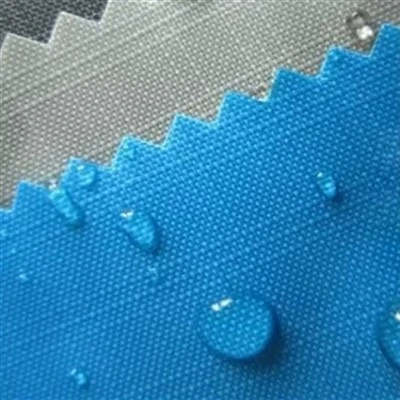
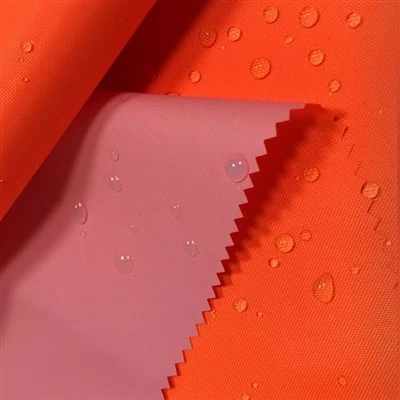
We also treat our fabrics with special coatings that help to repel water and prevent moisture from penetrating the fabric. This not only helps to protect the conductive fibers but also keeps the fabric dry and comfortable to wear. Additionally, we test our fabrics rigorously in high-humidity environments to ensure that they meet our high standards of performance.
Let's take a closer look at the different types of anti-static fabric we offer and how they work in high-humidity situations. Our Antistatic ESD Fabrics are specifically designed for use in environments where electrostatic discharge (ESD) is a concern. These fabrics use a combination of conductive fibers and special additives to provide excellent static protection. In high-humidity environments, the conductive fibers in these fabrics work together with the moisture in the air to quickly dissipate static charges, reducing the risk of ESD events.
Our Anti Static Polyester Fabric is another great option for high-humidity applications. Polyester is a synthetic fiber that is naturally resistant to moisture, so it holds up well in humid conditions. The anti-static properties of this fabric are achieved through the use of conductive additives that are incorporated into the polyester fibers during the manufacturing process. These additives help to prevent the buildup of static electricity, even when the fabric is exposed to moisture.
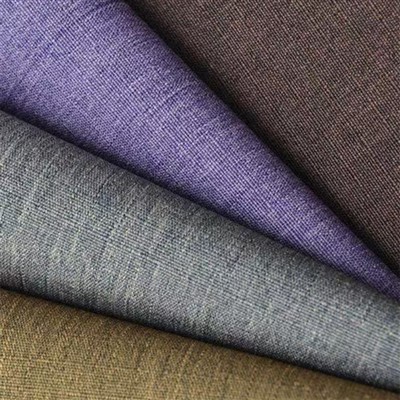
Finally, our ESD Safe Fabric is designed to provide maximum protection against ESD in a variety of environments, including high-humidity ones. This fabric uses a combination of advanced conductive technologies and high-quality materials to ensure that it meets the strictest ESD standards. The fabric is also treated to be water-resistant, which helps to protect the conductive elements and maintain its anti-static performance in humid conditions.
In conclusion, anti-static fabric can work effectively in high-humidity environments, but it does face some challenges. By using high-quality materials, advanced manufacturing techniques, and proper testing, we can ensure that our anti-static fabrics perform well even in the most demanding conditions.


If you're interested in learning more about our anti-static fabric products or have any questions about how they can work for you in high-humidity environments, feel free to reach out. We're always happy to have a chat and help you find the right solution for your needs. Whether you're looking for fabric for industrial applications, clothing, or any other use, we've got you covered. So, don't hesitate to contact us and let's start a conversation about your procurement needs.
References
- Textile Research Journal: Studies on Static Electricity in Textiles
- Journal of Applied Polymer Science: Effects of Humidity on Conductive Textile Fibers
- American Association of Textile Chemists and Colorists: Guidelines for Anti-Static Textile Performance in Varying Environments