
Testing if a fabric is static resistant is crucial, especially if you're in industries where static electricity can pose risks, like electronics manufacturing, healthcare, or even in everyday clothing. As a Static Resistant Fabric supplier, I've got a good understanding of how to figure out if a fabric has that all - important anti - static property.
First off, let's talk about why static resistance matters. Static electricity can cause all sorts of problems. In an electronics factory, a simple static discharge can fry sensitive components, leading to costly production losses. In a healthcare setting, it can interfere with medical equipment. And for everyday clothing, static cling is just plain annoying. That's where static resistant fabrics come in. They're designed to reduce or eliminate the buildup of static charge.
One of the simplest ways to test for static resistance is the "triboelectric test." You've probably done something similar without even realizing it. You know when you rub a balloon on your hair and it sticks to the wall? That's the triboelectric effect in action. To do this test on fabric, you'll need a piece of the fabric you want to test and another material, like wool or silk. Rub the fabric against the other material vigorously for about 30 seconds. Then, try to stick the fabric to a wall. If the fabric clings to the wall strongly, it's likely generating a significant amount of static and may not be very static resistant. On the other hand, if it just falls off or barely adheres, that's a good sign that the fabric has some level of static resistance.
Another quick and easy test is the "dust test." Static - charged fabrics tend to attract dust. Take a small piece of the fabric and hold it over a surface with a little dust on it. If the fabric starts attracting the dust right away, it's a sign that it's generating static. But if the dust doesn't seem to care about the fabric, then it's probably doing a good job of resisting static.
For a more accurate and scientific approach, you can use a static decay tester. This device measures how quickly a static charge dissipates from the fabric. You place a sample of the fabric on the tester, charge it up, and then the machine records how long it takes for the charge to drop to a certain level. The faster the charge decays, the more static resistant the fabric is. This test is especially useful for industries that require strict static control, like the semiconductor manufacturing industry. It gives you a quantitative measure of the fabric's static - resistant properties.
Surface resistance testing is also a common method. A surface resistance meter is used to measure the electrical resistance of the fabric's surface. Static resistant fabrics typically have a lower surface resistance because they allow the static charge to spread out and dissipate more easily. To perform this test, you connect the meter to the fabric at two different points and measure the resistance. Fabrics with a surface resistance in the range of 10^6 to 10^9 ohms are generally considered to have good static - resistant properties.
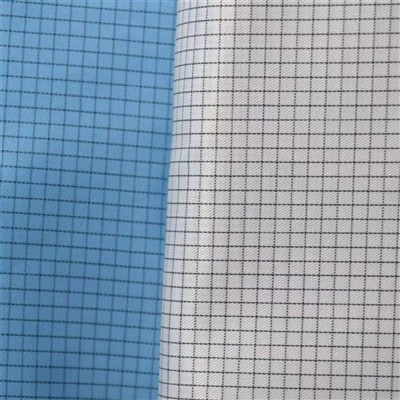
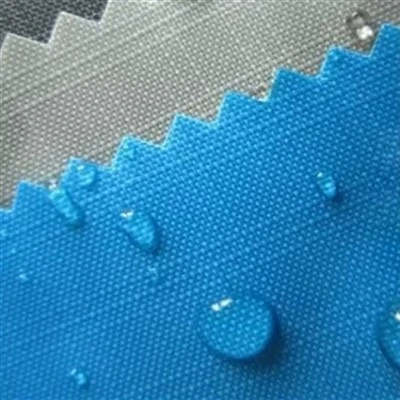
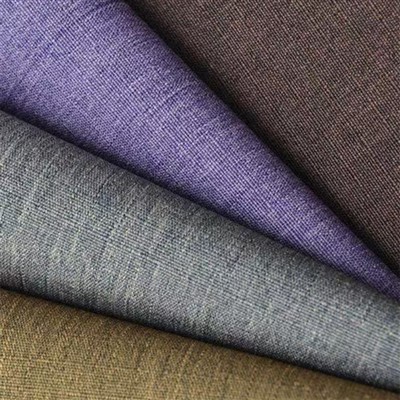
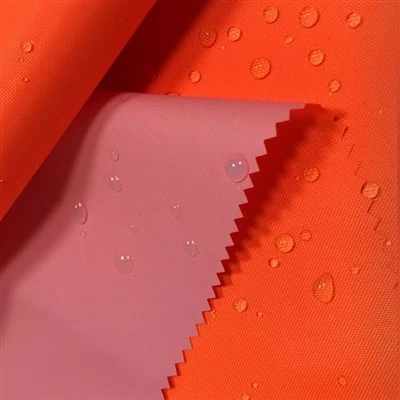
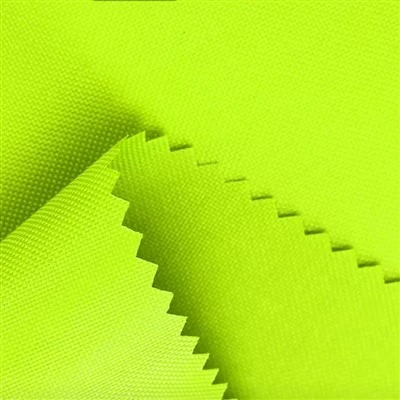
Now, let's talk about the types of fabrics that are commonly used for static resistance. One popular option is Anti Static Polyester Fabric. Polyester is a synthetic fiber that can be engineered to have anti - static properties. It's durable, wrinkle - resistant, and offers good static protection. Another option is Anti Static Clothing Material. This type of fabric is specifically designed for making clothing that resists static. It's comfortable to wear and can be used in a variety of settings, from work uniforms to everyday wear.
Antistatic ESD Fabrics are also widely used in industries that deal with electrostatic discharge (ESD) sensitive components. These fabrics are designed to prevent the buildup and discharge of static electricity, protecting the sensitive equipment from damage. Static Resistant Fabric is a broad term that encompasses all types of fabrics with anti - static properties. Whether it's for industrial use or consumer products, static resistant fabric plays an important role. And Non Static Clothing Material is great for those who just want to avoid the hassle of static cling in their daily lives.
As a supplier of static resistant fabrics, I know that choosing the right fabric for your needs is essential. It's not just about passing the tests; it's about finding a fabric that meets your specific requirements in terms of durability, comfort, and functionality. Whether you're a manufacturer looking for a reliable fabric for your products or a consumer in search of static - free clothing, we've got a wide range of options to choose from.
If you're interested in learning more about our static resistant fabrics or want to discuss your specific needs, feel free to reach out. We're always happy to help you find the perfect fabric solution. Whether it's for a small project or a large - scale production, we can work with you to ensure you get the best quality static resistant fabric at a competitive price.


References
- "Textile Testing Handbook" by G. Corcoran
- "Electrostatic Discharge in Electronics Manufacturing" by E. Cole