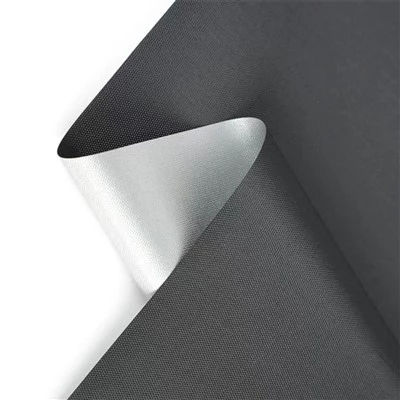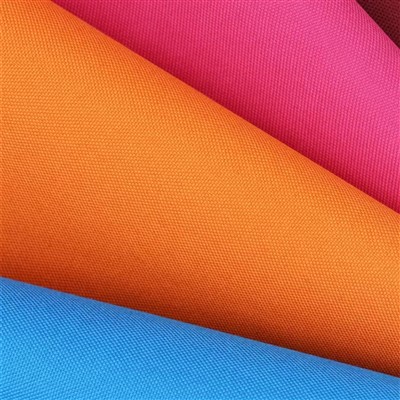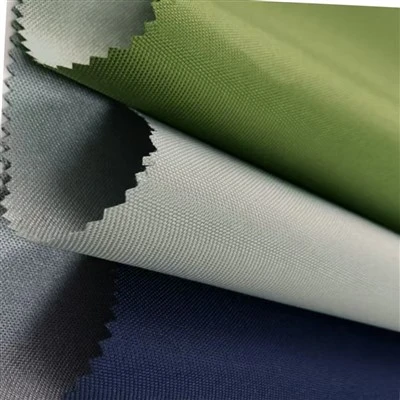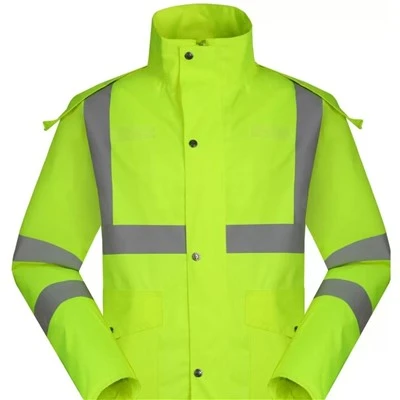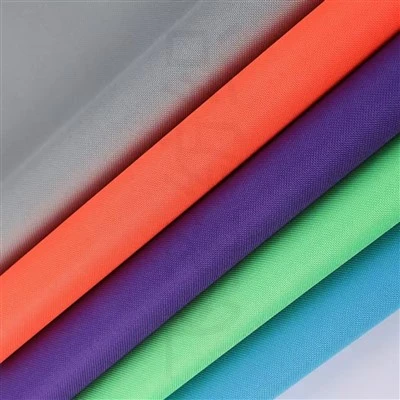

As a supplier of Anti Static Lining Fabric, I've been getting a lot of questions lately about how this fabric behaves under mechanical stress. It's a super important topic, especially for industries where static electricity can cause big problems, like electronics manufacturing, healthcare, and aerospace. So, let's dive right in and explore the anti - static behavior of anti static lining fabric when it's under mechanical stress.
Understanding Anti Static Lining Fabric
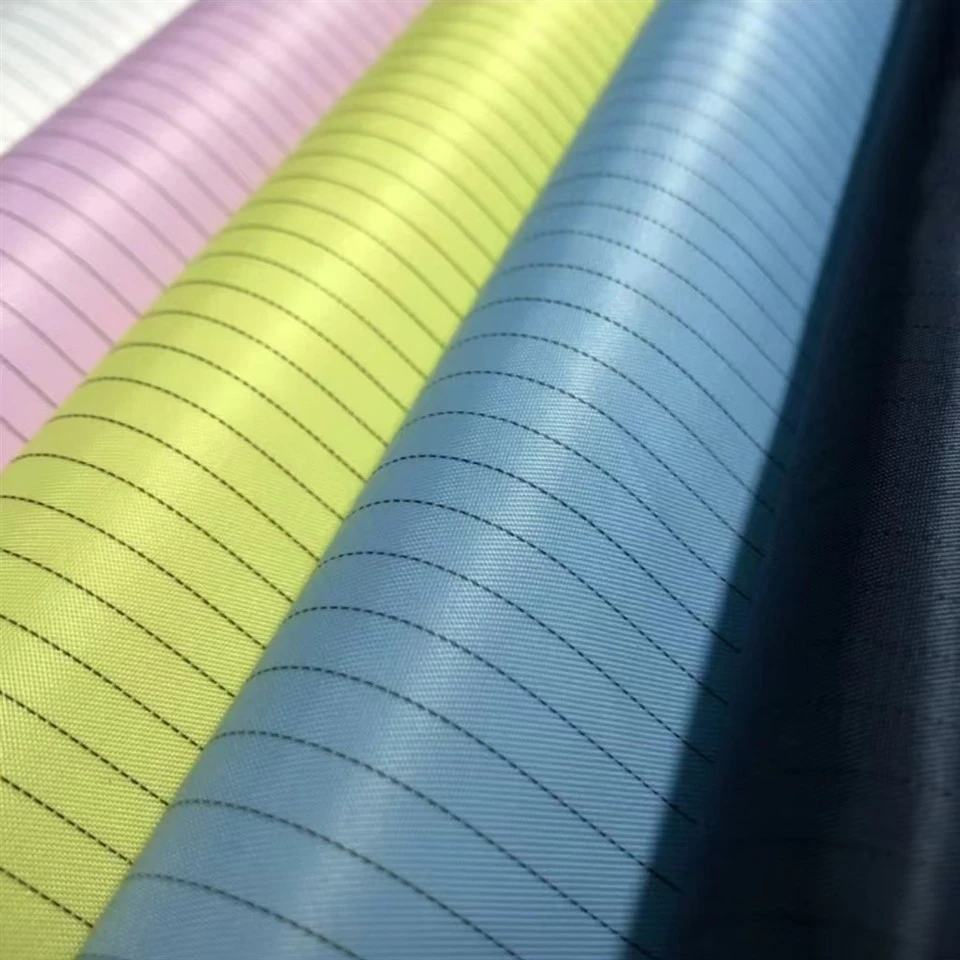
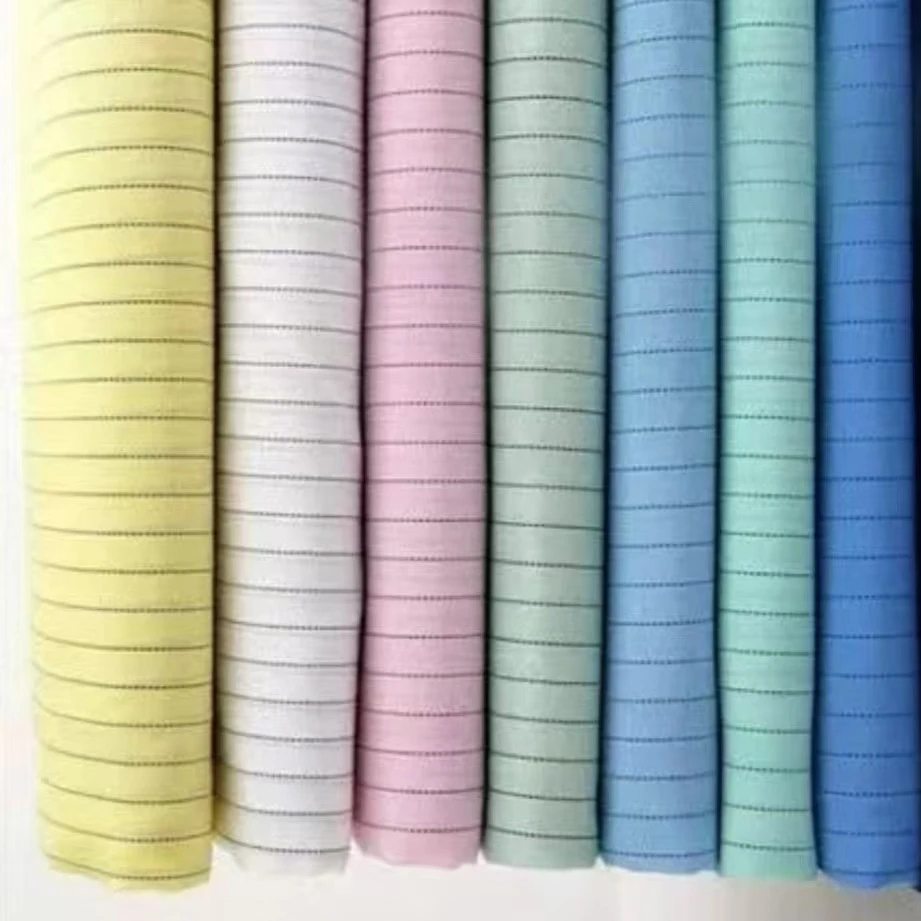
First off, what exactly is anti static lining fabric? Well, it's a special type of textile that's designed to prevent the build - up of static electricity. This is achieved through various methods, such as incorporating conductive fibers into the fabric or treating the fabric with anti - static agents. You can check out more about Anti Static Textile on our website.
The conductive fibers in anti static lining fabric are usually made of materials like carbon, stainless steel, or a combination of both. These fibers create a pathway for the static charges to flow through, rather than building up on the surface of the fabric. This helps to reduce the risk of electrostatic discharge (ESD), which can damage sensitive electronic components or cause fires in flammable environments.
How Mechanical Stress Affects Anti Static Behavior
Now, let's talk about mechanical stress. Mechanical stress can come in many forms, such as stretching, bending, rubbing, or compression. When anti static lining fabric is subjected to these types of stress, it can have an impact on its anti - static properties.
Stretching
When you stretch anti static lining fabric, the conductive fibers within the fabric can become misaligned. This can disrupt the electrical conductivity of the fabric, reducing its ability to dissipate static charges. However, high - quality anti static lining fabrics are designed to withstand a certain amount of stretching without significant loss of anti - static performance. For example, some fabrics are engineered with a high degree of elasticity, which allows the conductive fibers to move with the fabric without breaking or becoming too misaligned.
Bending
Bending the fabric can also cause the conductive fibers to shift. If the fabric is bent repeatedly in the same place, the fibers may break or become damaged, leading to a decrease in anti - static effectiveness. To counter this, manufacturers often use techniques like weaving or knitting the fabric in a way that distributes the stress more evenly across the fabric. This helps to prevent the concentration of stress in one area and reduces the risk of fiber damage.
Rubbing
Rubbing is another common form of mechanical stress. When two surfaces rub against each other, static electricity can be generated. In the case of anti static lining fabric, rubbing can cause the conductive fibers to wear down or become detached from the fabric. This can reduce the fabric's ability to conduct static charges and increase the risk of ESD. To improve the fabric's resistance to rubbing, some manufacturers apply a protective coating to the fabric or use more durable conductive fibers.
Compression
Compression can also affect the anti - static behavior of the fabric. When the fabric is compressed, the conductive fibers can be squeezed together, which may increase the electrical conductivity in the short term. However, if the compression is too severe or prolonged, it can cause the fibers to break or become permanently deformed. This can lead to a long - term reduction in the fabric's anti - static performance.
Testing the Anti - Static Behavior Under Mechanical Stress
To ensure that our anti static lining fabric meets the highest standards of performance, we conduct a series of tests to evaluate its anti - static behavior under mechanical stress. These tests simulate real - world conditions and help us to identify any potential issues with the fabric.
One of the most common tests is the rubbing test. In this test, we rub the fabric against a standard material for a specified number of cycles. We then measure the surface resistance of the fabric to determine its ability to dissipate static charges. If the surface resistance increases significantly after the rubbing test, it indicates that the fabric's anti - static properties have been compromised.
We also conduct stretching and bending tests to evaluate the fabric's performance under these types of stress. In the stretching test, we stretch the fabric to a certain percentage of its original length and measure the change in surface resistance. In the bending test, we bend the fabric repeatedly in the same place and monitor the surface resistance over time.
Maintaining the Anti - Static Performance
Even though our anti static lining fabric is designed to withstand mechanical stress, it's still important to take proper care of it to maintain its anti - static performance. Here are some tips:
- Avoid excessive stretching: Don't stretch the fabric beyond its recommended limit. This can cause the conductive fibers to break or become misaligned.
- Be gentle when handling: When you're handling the fabric, try to avoid rough or abrasive contact. This can damage the conductive fibers and reduce the fabric's anti - static effectiveness.
- Follow the cleaning instructions: Different anti static lining fabrics may have different cleaning requirements. Make sure to follow the manufacturer's instructions to ensure that the fabric's anti - static properties are not affected.
Applications of Anti Static Lining Fabric
Anti static lining fabric has a wide range of applications in various industries. In the electronics manufacturing industry, it's used to line workstations, storage containers, and shipping boxes to protect sensitive electronic components from ESD. In the healthcare industry, it's used in surgical gowns, drapes, and bedding to prevent the spread of static - related infections. In the aerospace industry, it's used in aircraft interiors to reduce the risk of static - induced fires. You can find more information about Antistatic ESD Fabrics on our website.
Why Choose Our Anti Static Lining Fabric
As a supplier of anti static lining fabric, we take pride in offering high - quality products that meet the strictest standards of performance. Our fabrics are made from the finest materials and are carefully engineered to provide excellent anti - static properties, even under mechanical stress.
We also offer a wide range of customization options to meet the specific needs of our customers. Whether you need a particular color, texture, or thickness, we can work with you to create the perfect anti static lining fabric for your application.
If you're interested in learning more about our Anti Static Lining Fabric or have any questions about its anti - static behavior under mechanical stress, please don't hesitate to contact us. We're always happy to help and look forward to discussing your requirements with you.
References
- ASTM International. (2014). Standard Test Method for Surface Resistance of Conductive and Static Dissipative Planar Materials. ASTM D257 - 14.
- International Electrotechnical Commission. (2016). Electrostatics - Part 5 - 1: Protection of electronic devices from electrostatic phenomena - General requirements. IEC 61340 - 5 - 1:2016.
- Textile Research Institute. (2018). Research on the Effect of Mechanical Stress on the Anti - Static Properties of Textiles. Journal of Textile Science and Technology, 34(2), 123 - 135.