
What is the abrasion coefficient of ESD Safe Fabric?
As a supplier of ESD Safe Fabric, I often encounter questions from customers about various properties of our products, and one that frequently comes up is the abrasion coefficient. Understanding the abrasion coefficient of ESD Safe Fabric is crucial for both manufacturers and end - users, as it directly impacts the durability and performance of the fabric in real - world applications.
What is the abrasion coefficient?
The abrasion coefficient is a measure of a material's resistance to wear and tear caused by friction. In the context of ESD Safe Fabric, it indicates how well the fabric can withstand the rubbing, scraping, and general mechanical stress it may encounter during normal use. A lower abrasion coefficient means the fabric is more resistant to abrasion, which translates to a longer lifespan and better performance over time.
The abrasion coefficient is typically determined through standardized testing methods. One of the most common tests is the Martindale abrasion test. In this test, a sample of the ESD Safe Fabric is rubbed against a standard abrasive material under a specific pressure and for a set number of cycles. The amount of wear on the fabric, such as loss of weight, change in appearance, or reduction in electrostatic properties, is then measured. The results are used to calculate the abrasion coefficient, which can be expressed in various ways, such as the number of cycles required to cause a certain level of damage or the rate of material loss per cycle.
Factors affecting the abrasion coefficient of ESD Safe Fabric
Several factors can influence the abrasion coefficient of ESD Safe Fabric.
Fiber type: The type of fibers used in the fabric plays a significant role. Synthetic fibers like polyester and nylon are generally more abrasion - resistant than natural fibers such as cotton. Polyester, for example, has a high tenacity and good resistance to abrasion, making it a popular choice for ESD Safe Fabric. On the other hand, cotton, while comfortable and breathable, is more prone to abrasion. However, modern manufacturing techniques can combine different fibers to create fabrics that offer a balance of comfort, electrostatic protection, and abrasion resistance.
Fabric structure: The way the fabric is woven or knitted also affects its abrasion resistance. A tight - woven fabric, such as a twill or a plain weave with a high thread count, is usually more resistant to abrasion than a loosely - woven or knitted fabric. The tight structure provides more support to the fibers, reducing the likelihood of individual fibers being pulled out or damaged during abrasion.
ESD treatment: The anti - static treatment applied to the fabric can have an impact on the abrasion coefficient. Some ESD treatments may make the fabric more brittle or reduce its flexibility, which can increase the susceptibility to abrasion. However, advanced ESD treatments are designed to maintain the fabric's mechanical properties while providing effective electrostatic protection. For example, conductive fibers can be incorporated into the fabric during the manufacturing process, which not only provide ESD protection but also enhance the fabric's abrasion resistance.
Importance of the abrasion coefficient in ESD Safe Fabric applications
In industries where ESD Safe Fabric is used, such as electronics manufacturing, semiconductor production, and healthcare, the abrasion coefficient is of great importance.
Product longevity: In electronic manufacturing, workers often wear ESD Safe clothing to prevent electrostatic discharge from damaging sensitive components. If the fabric has a high abrasion coefficient, it will wear out quickly, leading to frequent replacement of the clothing. This not only increases the cost for the company but also disrupts the production process. A fabric with a low abrasion coefficient, on the other hand, can last longer, reducing the overall cost of ownership and ensuring continuous protection for the workers and the products.
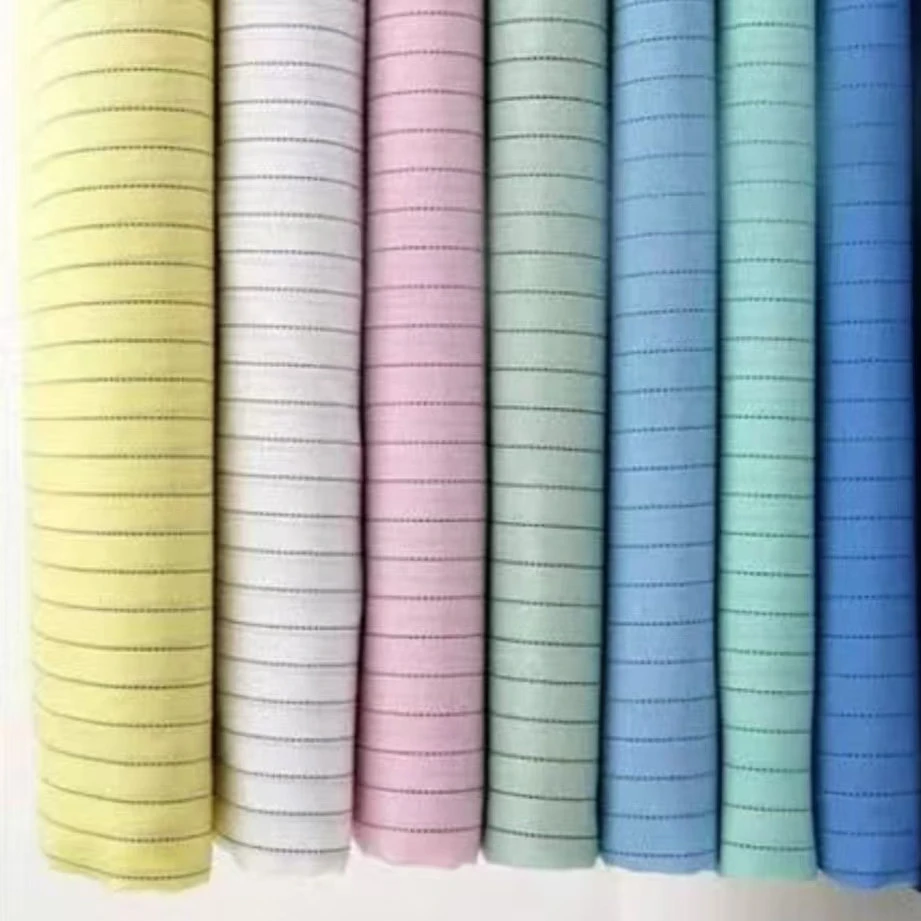

ESD performance: Abrasion can also affect the electrostatic properties of the fabric. As the fabric wears, the conductive elements may be damaged, reducing the fabric's ability to dissipate static electricity. This can pose a risk to the sensitive electronic components being handled. A fabric with a good abrasion coefficient will maintain its ESD performance over a longer period, providing reliable protection against electrostatic discharge.
Our ESD Safe Fabric and its abrasion coefficient
At our company, we take pride in offering high - quality ESD Safe Fabric with excellent abrasion resistance. Our fabrics are made from a combination of synthetic and natural fibers, carefully selected to provide the best balance of comfort, ESD protection, and durability.
We use advanced manufacturing techniques to ensure that our fabrics have a tight and uniform structure, which enhances their abrasion resistance. Additionally, our ESD treatments are designed to be durable and to maintain the fabric's mechanical properties. We conduct regular Martindale abrasion tests on our products to ensure that they meet or exceed industry standards.
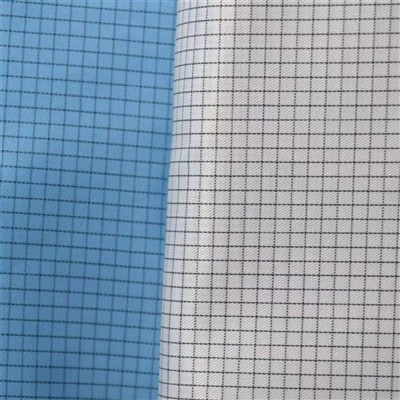
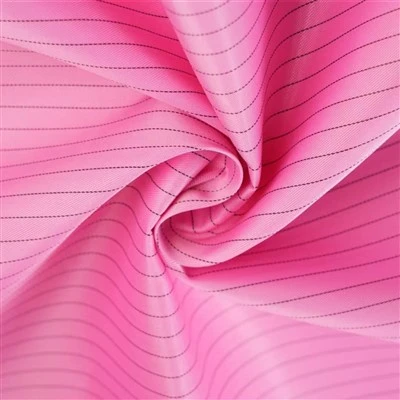
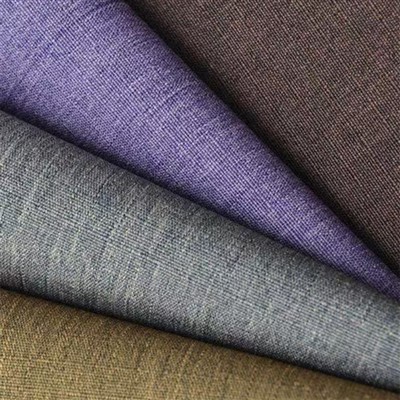
Our Non Static Clothing Material and Antistatic ESD Fabrics are specifically engineered to have a low abrasion coefficient. This means that they can withstand the rigors of daily use in demanding industrial environments without losing their electrostatic properties or deteriorating in quality. Our Anti Static Clothing Material is also available in a variety of styles and colors to meet the different needs of our customers.
Conclusion
The abrasion coefficient of ESD Safe Fabric is a critical factor that affects its durability, performance, and cost - effectiveness. By understanding the factors that influence the abrasion coefficient and choosing a high - quality fabric with a low abrasion coefficient, manufacturers and end - users can ensure that they have reliable ESD protection that lasts.
If you are in the market for ESD Safe Fabric, we invite you to contact us to discuss your specific requirements. Our team of experts is ready to help you select the right fabric for your application and provide you with all the information you need to make an informed decision. We look forward to the opportunity to work with you and provide you with the best ESD Safe Fabric solutions.
References
- ASTM D4966 - 18, Standard Test Method for Abrasion Resistance of Textile Fabrics (Martindale Abrasion Tester Method).
- ISO 12947 - 1:2016, Textiles - Determination of the abrasion resistance of fabrics by the Martindale method - Part 1: General principles.